
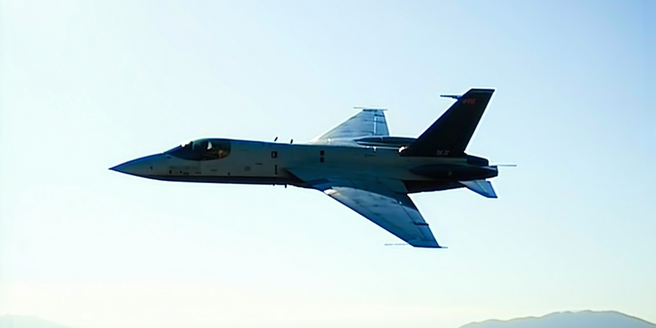
Understanding Temperature’s Impact on Aerodynamics
Temperature plays a crucial role in determining the efficiency and performance of aircraft. When temperatures rise, air density decreases, resulting in less lift generation by the aircraft’s wings. Conversely, colder temperatures increase air density, enhancing lift but potentially making engine performance less efficient. This balance is pivotal in ensuring optimal flight conditions. Aircraft must adjust to these atmospheric changes, which can affect takeoff, cruising, and landing phases. Understanding these dynamics is essential for pilots who must adjust flight parameters such as speed and angle of attack. Modern aerodynamics also account for temperature by designing aircraft with specialized materials and structures to manage varying atmospheric conditions. By studying temperature impacts, advancements in aviation safety and performance continue to evolve.
How Climate Change Influences Aircraft Performance
Climate change is resulting in more extreme weather patterns and shifts in temperature distributions, which in turn affect aviation performance. Higher ambient temperatures are leading to increased runway lengths needed for takeoff due to reduced lift. This can also result in more frequent delays or changes in flight paths to avoid turbulent areas, impacting flight efficiency and fuel consumption. Additionally, the varying climates challenge the structural integrity of aircraft, making regular inspections and maintenance more crucial. Emerging technologies aim to mitigate these impacts by designing resilient materials and engines that perform across a wider temperature range. Understanding and adapting to these changes is essential for maintaining safety, reducing costs, and improving overall flight efficiency.
Case Studies: Cold vs. Hot Weather Flying Experiences
Flying in extreme temperatures brings unique challenges that can significantly impact flight operations and safety. In cold weather, aircraft systems face risks of icing, which can affect lift and engine performance if not managed with deicing strategies. Conversely, in hot weather, reduced air density can lead to longer takeoff runs and heightened stress on engines, as seen in various case studies. Research involving flights in polar regions has demonstrated enhanced aircraft performance due to increased air density. Meanwhile, operations in equatorial regions or during heatwaves have highlighted issues like increased fuel consumption and reduced climb rates. Comparing these experiences helps the aviation industry develop guidelines to ensure safe and efficient operations regardless of environmental conditions.
Innovations in Aviation: Adapting to Temperature Shifts
Aviation engineers are focusing on technologies and designs that enable aircraft to operate efficiently despite temperature fluctuations. Innovations like adaptive wing structures that alter shape based on temperature and humidity, and advanced materials that dissipate heat more effectively, are being developed. Climate-responsive design strategies are also being integrated into aircraft cockpits and cabins to optimize thermal comfort for both crew and passengers. Modern aircraft engines are being designed to operate optimally across a broader range of temperatures, maintaining fuel efficiency and reducing emissions. These technological advancements play a crucial role in mitigating the adverse impacts of temperature variations, ultimately enhancing safety and performance in aviation. Continuous research and development are key to addressing future aviation challenges related to climate and temperature shifts.
Future Trends: Temperature Management in Aviation
As the aviation industry evolves, managing temperature effects on aircraft is becoming a crucial focus area. Future trends involve integrating advanced cooling technologies to handle higher operating temperatures and optimizing aircraft design for energy efficiency. Hybrid and fully electric aircraft propulsion systems are gaining attention for their ability to maintain performance across diverse temperature ranges, presenting a sustainable alternative to traditional engines. The use of big data and advanced analytics is enhancing predictive maintenance, allowing airlines to anticipate and address temperature-related disruptions efficiently. Furthermore, regulatory bodies are formulating policies that emphasize environmental sustainability, ensuring that the aviation sector adapts to changing climate conditions. These trends highlight a proactive approach to managing temperature-related challenges, ensuring aviation’s resilience in the years to come.