
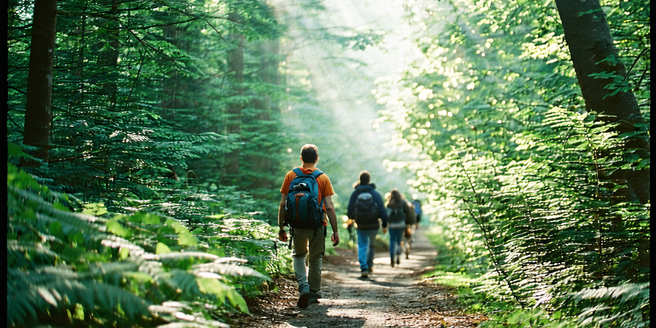
Understanding the Impact of Outdoor Activities on Nature
Outdoor activities can have significant effects on ecosystems, from trampling vegetation to disturbing wildlife. When hikers stray off designated paths, they may inadvertently damage delicate plant life, which can lead to soil erosion and a loss of native species. Similarly, water sports can pollute waterways, harming aquatic organisms. To minimize these impacts, it’s crucial for outdoor enthusiasts to remain aware of their actions and practice responsible recreation. Staying on marked trails, maintaining a safe distance from wildlife, and cleaning up litter are essential steps. By understanding how outdoor activities influence nature, we can make more informed choices and ensure the preservation of these environments for future generations.
Choosing Sustainable Gear and Equipment
Sustainable gear is essential for minimizing the ecological footprint of outdoor adventures. When selecting equipment, it is important to choose products made from recycled or renewable materials, as these have a lower impact on the environment. Many manufacturers offer eco-friendly options, such as biodegradable tents, solar-powered lights, and clothing made from organic fibers. Additionally, investing in high-quality gear that lasts longer prevents unnecessary waste. Minimalist designs with multifunctionality can also reduce the volume of equipment needed. By prioritizing sustainability in our gear choices, not only do we support environmentally responsible practices, but we also make a positive statement about valuing the earth’s resources.
Exploring Low-Impact Recreational Activities
Low-impact recreational activities offer a means of enjoying nature while reducing environmental harm. Activities such as bird watching, nature photography, and hiking on established trails allow participants to engage with the outdoors without causing significant ecological disruption. These pursuits typically require minimal equipment, further decreasing their footprint. By choosing low-impact activities, we can foster a connection with nature that emphasizes respect and care for the environment. For many, these activities provide a peaceful escape from the hustle and bustle of everyday life. Additionally, these activities often provide valuable opportunities for education, promoting a deeper understanding of local ecosystems and the importance of conservation efforts to protect them.
Practicing Leave No Trace Principles
Leave No Trace (LNT) is a set of guidelines aimed at minimizing human impact on natural environments. By practicing LNT principles, outdoor enthusiasts help maintain the pristine condition of natural areas for others to enjoy. Key principles include planning ahead and preparing, traveling on durable surfaces, disposing of waste properly, and leaving what you find. Respecting wildlife and being considerate of other visitors are also critical components. Embracing these principles requires mindfulness and intentionality in each decision we make outdoors. However, the reward is not only in protecting ecosystems but also in the enhanced experience of a more natural and undisturbed environment.
Supporting Eco-Friendly Outdoor Organizations
Eco-friendly outdoor organizations play a crucial role in conserving landscapes and educating the public about sustainability. Supporting these organizations can be achieved through various means, such as volunteering for conservation projects, participating in events, or choosing to spend at businesses that donate a portion of their profits to environmental causes. Many organizations advocate for policy changes that protect natural resources and promote eco-friendly practices. By supporting these entities, we can amplify efforts to preserve natural areas and inspire others to take action in their own outdoor pursuits. Our collective efforts are key to ensuring that the beauty and biodiversity of our planet endure.
Incorporating Nature Conservation into Adventures
Incorporating conservation into outdoor adventures ensures that our impact on the environment is minimized and potentially positive. This might involve simple actions such as planting trees during a hike or participating in wildlife monitoring programs. Engaging with local conservation groups can also provide opportunities to combine recreational activities with initiatives that benefit ecosystems. These experiences not only enrich our adventures but also contribute to the larger goal of preserving nature for future generations. By blending recreation with conservation efforts, we create a sustainable balance that allows us to enjoy nature’s wonders while actively participating in their protection.