
Why a Weather Radio is Essential
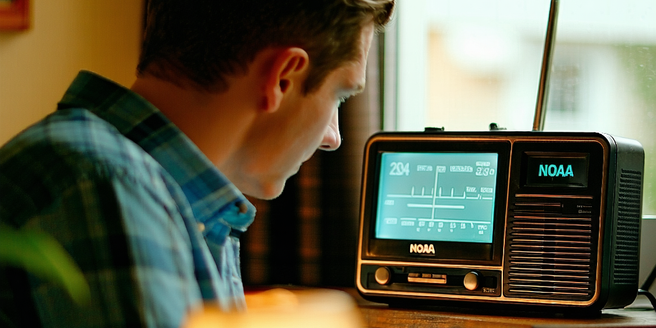
Having a weather radio is crucial for staying informed during severe weather conditions. Unlike smartphones and other communication devices, weather radios do not rely on cell towers or internet connectivity, making them one of the most reliable sources of information during emergencies. They broadcast National Oceanic and Atmospheric Administration (NOAA) alerts, ensuring you receive timely updates on severe weather warnings and advisories for your area. A dedicated weather radio provides peace of mind, especially in areas prone to sudden and severe weather changes. Its functionality is not just limited to notifying about storms but extends to other emergencies, like earthquakes and AMBER alerts, ensuring that you and your family are prepared and informed at all times. Incorporating a weather radio into your emergency kit is therefore a wise and necessary decision.
Key Features to Look For
When selecting a weather radio, several features should be prioritized to ensure reliable performance. The first is NOAA compatibility, as radios should be capable of receiving alerts from the National Weather Service. Battery life and alternative power options, such as hand cranks or solar panels, are vital to ensure operation during power outages. Look for radios with Specific Area Message Encoding (SAME) technology, which allows targeting alerts to specific locations, keeping you informed of relevant updates only. A good weather radio should also have a powerful speaker for clear audio, backlighting for visibility in low light conditions, and a compact, portable design. Additional features, such as a USB charging port for mobile devices or a built-in flashlight, can enhance functionality, offering more convenience during emergencies and regular use.
Top Weather Radio Brands
Choosing the right weather radio can be daunting with so many brands on the market. Some of the top brands renowned for their dependable weather radios include Midland, C. Crane, and Sangean. Midland radios are known for their exceptional durability and accurate alerts, making them a favorite for extreme weather conditions. C. Crane offers high-quality reception and innovative features like SAME technology. Sangean is praised for its user-friendly interface and reliable reception, providing both portable and tabletop options to suit different preferences. Each brand boasts unique features tailored to meet varying needs, ensuring reliable weather updates and alerts when needed most. Investing in equipment from these trusted brands guarantees peace of mind during emergencies, backed by years of expertise in providing accurate and timely weather information.
Comparing Weather Radios: A Quick Guide
When comparing weather radios, consider factors such as size, power options, and additional features. Portability is crucial if you need a radio that’s easy to carry during an emergency evacuation. Check for multiple power sources like batteries, solar power, or hand cranks to ensure the radio works even when electricity is unavailable. Evaluate the radio’s reception capabilities and audio clarity, as these factors determine how well you receive alerts. Some models offer extra functionalities like charging capabilities for other devices, built-in flashlights, or alarm clocks. Additionally, exploring user reviews can provide insights into the product’s reliability and performance in real-world scenarios. Balancing these factors with your specific needs will guide you to the ideal weather radio, providing both basic functions and additional enhancements for comprehensive preparedness.
How to Choose the Right Weather Radio for You
Selecting the ideal weather radio involves assessing your individual needs and the environmental conditions you might face. Start by examining your area’s weather patterns to determine which features are most crucial; for instance, SAME technology could be vital in tornado-prone areas. Consider practical elements like size and weight for portability if you plan to use the radio during travel or outdoor activities. Evaluate power sources: having multiple options like batteries, solar power, or a hand crank increases reliability. Test the ease of use; ensure the interface is user-friendly so that anyone can operate it under stress. Price is also a factor, but investing in a reliable device is crucial for safety. Opt for a radio from a reputable brand known for durability and accuracy, ensuring you remain well-informed and prepared for any situation.