
Introduction to Weather Sensors
Weather sensors are crucial in understanding and predicting atmospheric changes. These devices measure various environmental parameters such as temperature, humidity, pressure, and wind speed. By gathering this data, meteorologists can forecast weather conditions and issue warnings for severe events. Additionally, weather sensors play a vital role in climate research, allowing scientists to monitor long-term climate patterns. Their accuracy and reliability make them indispensable tools in the fields of agriculture, aviation, and marine operations, where weather conditions significantly impact decision-making and safety. Modern weather sensors employ advanced technologies to provide real-time data collection and analysis, facilitating precise and timely forecasts.
Types of Weather Sensors
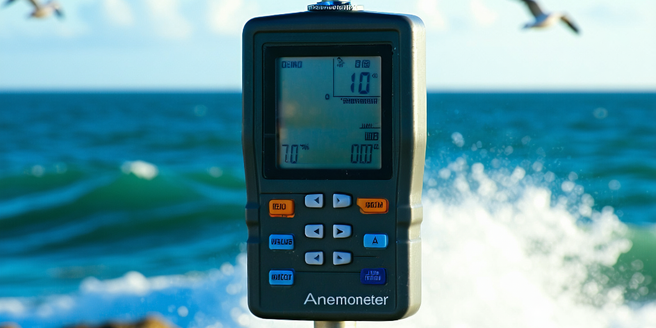
Weather sensors come in various types, each designed to measure specific atmospheric properties. Thermometers, for instance, measure temperature and can be traditional mercury-based devices or modern digital ones. Hygrometers assess humidity levels, while barometers determine atmospheric pressure, aiding in weather prediction. Anemometers measure wind speed and direction, providing data crucial for meteorology. Rain gauges collect precipitation data, essential for understanding rainfall patterns. Some sensors, like pyranometers, measure solar radiation, contributing to solar energy studies. With advances in technology, many of these sensors are now integrated into automated weather stations, providing comprehensive and continuous weather monitoring for improved forecasting.
How Weather Sensors Work
Weather sensors function by converting physical atmospheric elements into quantifiable data. For instance, thermometers use a liquid or electronic sensor to measure temperature changes, while anemometers often use rotating cups or propellers to gauge wind speed. Barometers detect changes in air pressure, which can indicate weather shifts. These data points are usually transmitted to a central system where they are aggregated and analyzed. In some systems, data from multiple sensors is combined to provide a comprehensive weather overview. Advanced sensors might incorporate digital components for real-time data processing and transmission. Calibration and maintenance are critical to ensure accuracy, and modern systems often include self-checks and remote monitoring capabilities.
Applications of Weather Sensors
Weather sensors have a wide array of applications, extending beyond traditional weather forecasting. In agriculture, they help optimize irrigation by monitoring rainfall and soil moisture levels. Aviation relies on accurate weather data for flight planning and safety, while maritime operations use sensors to navigate shifting weather patterns. Urban planning incorporates weather data for infrastructure resilience against extreme weather events. Sensors are also critical in renewable energy sectors, particularly in wind and solar power, where they aid in maximizing efficiency and output. Additionally, they are employed in environmental monitoring and research, aiding in wildlife conservation and natural disaster management.
Advantages of Using Weather Sensors
The utilization of weather sensors offers numerous advantages. Firstly, they provide accurate and consistent weather data, which is crucial for reliable weather forecasting. These sensors can offer real-time monitoring, allowing for timely decision-making in sectors such as agriculture, where conditions can change rapidly. Furthermore, they facilitate early warning systems for severe weather, which can save lives and safeguard property. Their ability to monitor remote areas enhances data collection in previously inaccessible locations. Weather sensors are typically cost-effective and can lead to significant economic benefits by optimizing operations in various industries, from transportation to energy.
Future Trends in Weather Sensor Technology
The future of weather sensor technology is promising, with advancements aimed at increasing precision and accessibility. Miniaturization and the use of IoT are leading to the development of compact, low-cost sensors that can be deployed in more locations. Additionally, machine learning and AI are being integrated to enhance data analysis and predictive capabilities. Renewable energy sources are being used to power remote sensors, increasing their deployment in off-grid locations. There is also a trend towards multi-parameter sensors that can measure several weather elements simultaneously, providing a more comprehensive understanding of atmospheric conditions. These advancements will improve the accuracy and scope of meteorological data, benefitting a wide range of industries.