
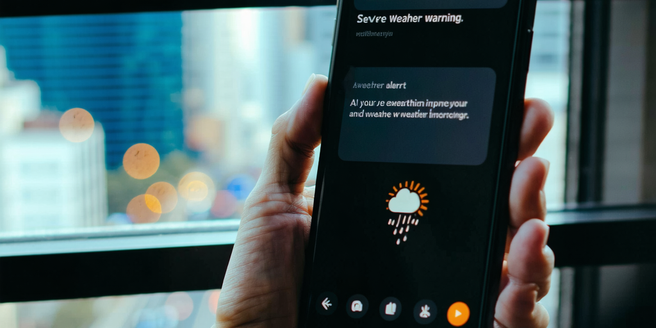
Introduction to Weather Alert Systems
Weather alert systems play a crucial role in safeguarding communities by providing timely warnings about potential hazards. These systems utilize various communication channels, such as television, radio, and mobile alerts, to broadcast vital information. The development of these systems has been fueled by advancements in meteorological science and technology, enabling more accurate predictions. Authorities and meteorologists collaborate to ensure that warnings are issued quickly and reach a wide audience. Public awareness campaigns and education are essential to ensure people understand and respond appropriately to alerts. By prioritizing preparedness and leveraging cutting-edge tools, weather alert systems save lives and minimize property damage.
The Role of Technology in Enhancing Alerts
Technology has significantly enhanced the effectiveness of weather alerts. Innovations like Doppler radar, satellite imagery, and AI-driven data analysis have transformed weather forecasting. These advancements enable precise monitoring of atmospheric conditions and swift dissemination of alerts. Mobile apps and social media platforms allow real-time communication, ensuring that critical information reaches individuals promptly. Additionally, recent advancements in machine learning algorithms have further refined predictive models, resulting in more reliable forecasts. Moreover, integration with IoT devices enhances local awareness, providing communities with hyper-localized warnings. As technology continues to evolve, its role in improving the accuracy and reach of weather warnings is indispensable, empowering individuals and officials to make informed decisions.
Case Study: Successful Flood Warnings
One notable case of successful flood warnings occurred in a small river basin prone to flash floods. Authorities implemented an advanced flood alert system incorporating real-time data from rain gauges and river sensors connected to a central command center. When heavy rainfall was detected, automated alerts were dispatched via SMS, radio, and local community networks. These proactive measures allowed residents ample time to evacuate, preventing potential casualties and reducing property loss. The success of this case underscores the importance of robust infrastructure and the timely dissemination of information in mitigating the impact of natural disasters.
Effective Tornado Alerts and Community Response
Tornadoes pose a significant threat due to their unpredictability and rapid development. An effective alert system, coupled with community preparedness, can drastically reduce their impact. In one instance, a regional weather service utilized a high-resolution Doppler radar network to issue timely tornado warnings. These technological advancements have proven invaluable in providing accurate forecasts. Local emergency management teams conducted preparedness drills, familiarizing the community with evacuation routes and safe shelters. During a tornado event, swift alerts were broadcasted through sirens and mobile networks, prompting immediate action. Residents adhered to practiced safety protocols, resulting in minimal injuries and demonstrating the efficacy of coordinated efforts.
Hurricane Preparedness Through Early Warnings
Hurricanes are among the most powerful natural disasters, necessitating early warnings to mitigate their effects. A successful case of hurricane preparedness involved a coastal city where authorities worked closely with the national meteorological agency. Advanced satellite systems provided accurate tracking of the storm’s trajectory, allowing for early warnings. Public service announcements and text alerts informed residents of evacuation plans and shelter locations. Constant communication between agencies was key to the operation’s success. Community volunteers were mobilized to assist vulnerable populations. The well-executed strategy ensured that people had adequate time to secure properties and evacuate, significantly reducing casualties and facilitating a quicker recovery process.
Lessons Learned from Weather Alert Practices
Weather alert systems are continually evolving, and each successful application offers valuable insights. One key lesson is the necessity of clear, concise communication tailored to diverse audiences. Effective communication is essential to ensure that warnings are understood and acted upon promptly. Multilingual alerts and accessible formats broaden the reach, ensuring comprehension. Collaboration between meteorologists, emergency services, and the public is paramount in refining alert systems. Regular community drills and feedback loops help identify and rectify shortcomings. Investing in technology and education fosters resilience, preparing communities to adapt to future challenges. By analyzing past experiences, we can strengthen weather alert frameworks, ultimately enhancing community safety and disaster response.