
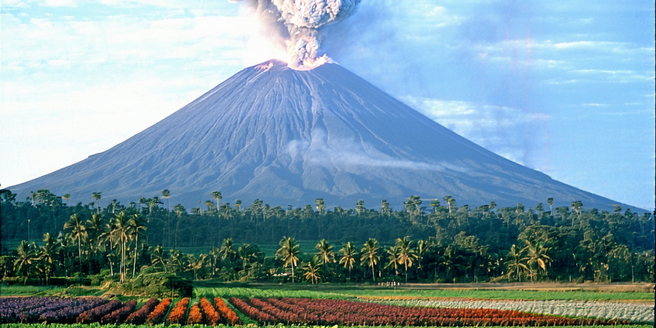
Understanding Volcanic Winters
Volcanic winters occur when large-scale volcanic eruptions inject significant quantities of aerosols or ash into the stratosphere, reflecting solar radiation away from Earth. This leads to reduced global temperatures and can severely impact agricultural productivity. These eruptions are significant as they can induce prolonged cooling periods lasting from months to years, altering climatic patterns. Understanding how these natural phenomena work is essential for predicting future impact scenarios. Monitoring volcanic activity and atmospheric changes enables researchers to anticipate disruptions to weather, agriculture, and economics. Scientific advancements in this field contribute to better preparedness and provide insight into historical climatic effects. Volcanic winters reveal the interconnectedness between Earth’s geological activities and atmospheric dynamics, shaping both environmental conditions and human lives through time.
The 1783 Eruption of Laki Volcano
The 1783 eruption of the Laki volcano in Iceland was one of history’s most significant volcanic events. Lasting eight months, it spewed vast quantities of lava and toxic gases, devastating local agriculture and causing widespread famine. The eruption injected sulfur dioxide into the atmosphere, forming volcanic aerosols that spread across Europe. This led to a substantial drop in temperatures, known as a volcanic winter. The climatic disturbances affected weather patterns, resulting in crop failures and famine across Europe. The Laki eruption highlighted the far-reaching impacts of volcanic activity, demonstrating how a single event in a remote location can have cascading effects on global climate and socio-economic stability. Studying this historical event helps us grasp the potential consequences of future volcanic eruptions and the importance of preparedness.
The Climate Impact on Europe
The climatic impact of volcanic eruptions in the late 18th century was profound, particularly in Europe. Following the Laki eruption, Europe experienced a series of harsh winters and cool summers, disrupting traditional weather patterns. These climatic anomalies led to widespread crop failures, high food prices, and malnutrition. The sudden shift in climate conditions created uncertainty among populations reliant on agriculture as their primary food and income source. Understanding these past climate events is crucial for comprehending the complex relationship between natural phenomena and human society. The adverse effects on agriculture and food supply underscore the importance of climate resilience in today’s world. By examining historical records and climatic data, scientists can better predict and mitigate future climate disruptions, aiming for strategies that ensure food security despite extreme weather.
The Socioeconomic Strain in France
The aftermath of volcanic winters placed enormous socioeconomic strain on France during the 1780s. Agrarian communities struggled as colder temperatures and poor harvests led to food scarcity and soaring grain prices. Economic hardships intensified social tensions, as the rural poor faced hunger and financial instability. The fiscal crisis aggravated existing inequalities, weakening public trust in government institutions perceived as inept in responding to the population’s needs. The socioeconomic distress contributed to a buildup of frustration and discontentment that seeded revolutionary fervor. Studying these patterns helps illuminate the connections between environmental stressors and societal responses. By analyzing the socioeconomic impacts of past climatic events, historians and economists gain insight into how human societies can better adapt to or mitigate future climate-induced challenges and ensure equitable resource distribution.
Linking Climate to Political Unrest
The link between climate and political unrest became evident during the French Revolution. Volcanic winters following major eruptions exacerbated economic hardship, contributing to discontent with the monarchy. As food prices soared and scarcity plagued the populace, public anger and unrest fueled demands for political change. The ensuing revolution was partly driven by the socio-economic instability that followed climatic disturbances. This historical case underscores how external environmental factors can intensify existing political tensions, driving transformative societal shifts. By examining the French Revolution through a climate lens, we appreciate how intertwined environmental conditions are with human political dynamics. Modern scholars use these lessons to explore the potential implications of contemporary climate changes, helping policymakers anticipate and mitigate potential socio-political risks associated with environmental stressors.
Lessons from History: Preparing for Future Events
Studying historical events like the French Revolution and its climatic triggers teaches valuable lessons for future preparedness. Recognizing how past societies were affected by volcanic winters highlights the need for proactive measures to mitigate similar scenarios. Governments and scientists today emphasize the importance of climate resilience and preparedness. Developing strategies to reduce vulnerability to climatic shocks can help protect communities from food insecurity, economic disruption, and political unrest. These strategies include improving early-warning systems, investing in sustainable agricultural practices, and establishing contingency plans for extreme events. By integrating historical insights with modern climate science, societies can better anticipate potential challenges and coordinate responses more effectively, ensuring stability and resilience amidst unpredictable environmental changes. The past provides a roadmap for navigating future uncertainties to ensure ongoing societal wellbeing.