
Understanding Climate Adaptation: A City Perspective
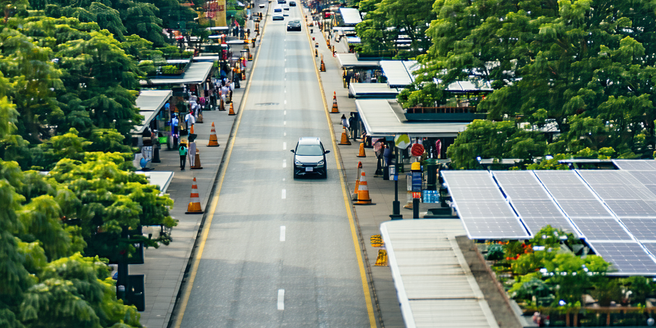
As cities continue to grow, adapting to climate change is becoming a crucial aspect of urban planning. Cities face unique challenges due to the dense population and infrastructure, requiring innovative solutions tailored to urban environments. The urgency of this task increases as extreme weather events become more frequent and severe. Climate adaptation involves modifying existing systems and infrastructure to withstand new climatic conditions. This could mean redesigning buildings to cope with higher temperatures or improving drainage systems to manage increased rainfall. A city-focused approach considers the integral role that urban areas play in global climate dynamics and recognizes the need for localized strategies to enhance resilience. Urban adaptation also implies engaging diverse stakeholders, from public entities to private citizens, ensuring all voices contribute to sustainable solutions.
Key Challenges Faced by Urban Areas Due to Climate Change
Urban areas are facing an array of challenges due to climate change, which include increased heatwaves, rising sea levels, and intensified storms. These phenomena are wreaking havoc on infrastructure, from sewer systems to transportation networks. Rapid urbanization and existing socio-economic disparities exacerbate these issues, making low-income populations particularly vulnerable. The impacts of climate change are not uniform, and different neighborhoods may face unique challenges based on their location and resources. Furthermore, cities struggle with limited natural spaces, which play a crucial role in absorbing carbon emissions and regulating temperatures. Addressing these challenges requires innovative planning and investment in green infrastructure, which can help mitigate the effects of urban heat islands and enhance water management. Policymakers must prioritize the transformation of city landscapes into more resilient and sustainable environments.
Innovative Infrastructure Solutions for Urban Climate Resilience
Cities worldwide are exploring innovative infrastructure solutions to develop resilience against climate change impacts. Green roofs and walls, permeable pavements, and urban forests are gaining attention for their potential to reduce urban heat and manage stormwater. These solutions not only address immediate climate risks but also contribute to long-term sustainability by enhancing biodiversity and improving air quality. Educational programs can help raise awareness about the benefits of such infrastructure. Moreover, smart technology integration, such as sensor-equipped systems for real-time climate monitoring and adaptive resource management, is proving invaluable. Collaborative efforts between urban planners, architects, and technology developers are essential in driving these initiatives forward. By investing in resilient infrastructure today, cities can safeguard their futures against the uncertainties of climate change.
Policy and Governance Strategies for Enhancing City Adaptability
To effectively address climate adaptation, cities need robust policy frameworks and governance structures that prioritize resilience. This requires a shift towards long-term thinking and proactive measures. Policy initiatives must focus on integrating climate risks into urban planning and development. Ensuring comprehensive data collection and analysis can further enhance the effectiveness of these initiatives. Regulatory measures should include building codes that mandate climate-resilient designs and zoning laws that protect vulnerable areas. Local governments must foster participatory governance by involving communities in decision-making processes, ensuring that adaptation strategies reflect the needs and priorities of all residents. Financial incentives, such as tax breaks or grants, can encourage the private sector to invest in sustainable projects. Establishing intergovernmental partnerships can help share resources and expertise, enhancing overall adaptability.
Community Engagement and Education in Climate Adaptation Efforts
Engaging communities in climate adaptation efforts is crucial for fostering resilience in urban areas. Educating the public about climate risks and the importance of adaptation encourages proactive involvement in local sustainability initiatives. Grassroots movements and community organizations can play pivotal roles in driving climate action by hosting workshops, facilitating discussions, and promoting sustainable practices. Schools and educational institutions should integrate climate change and adaptation into their curriculums to raise awareness among younger generations. Technology can further aid these initiatives by providing innovative tools and platforms for engagement. By building a strong sense of community and shared responsibility, cities can create a culture of resilience where residents actively participate in adaptation measures. Collaborative efforts ensure that adaptation strategies are inclusive and effectively implemented.