
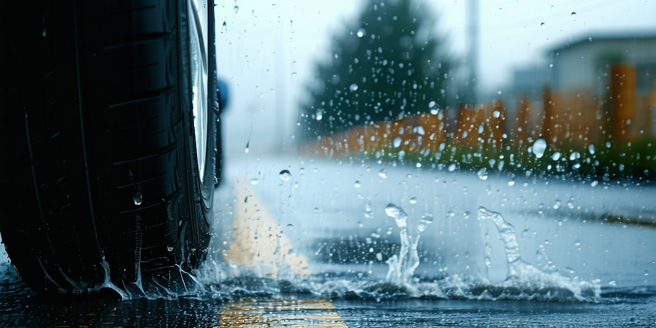
Understanding the Risks of Wet Roads
Wet roads significantly reduce traction, making vehicles more susceptible to skidding and hydroplaning. Water on the road surface acts as a lubricant for tires rather than providing grip, which can result in longer stopping distances. Conditions also hide road hazards, making them difficult to anticipate. The friction between tires and road diminishes on wet surfaces, which increases the potential for losing control, especially around curves. Drivers must be prepared for sudden incidents such as vehicles braking abruptly or pedestrians stepping into the road. Understanding these risks is crucial for making informed decisions about safe driving speeds and maintaining proper control of the vehicle. Awareness and adjustment of driving behavior accordingly can mitigate accidents, ensuring both personal and public safety.
Adjusting Speed According to Weather Conditions
Adapting driving speed to wet conditions is vital for maintaining control and ensuring safety. In rain, visibility is often reduced, which necessitates slower driving to increase reaction time. Reduced speed decreases stopping distances, giving drivers more time to respond to potential hazards. It is advisable to stay well below the speed limit, as these limits are set for ideal conditions, not adverse weather. Recognizing that wet conditions affect both perception and handling, drivers should also maintain a greater distance from the vehicle ahead. Using low beams rather than high beams in heavy rain can also help by preventing glare and improving visibility. Keeping these adjustments in mind can significantly enhance driving safety in adverse weather.
The Importance of Proper Tire Maintenance
Tires are crucial for safe driving, particularly in challenging weather conditions. Proper tire maintenance ensures good traction with the road, making it imperative to regularly check tire tread depth and pressure. It’s also important to rotate your tires periodically to promote even wear and extend their lifespan. Worn-out or improperly inflated tires greatly increase the risk of hydroplaning on wet surfaces. Tread depth directly affects a tire’s ability to channel water away, thus maintaining contact with the road. Underinflated tires can lead to overheating and premature wear, while overinflated ones can reduce the tire’s contact patch with the road. Regular inspections also help identify issues such as uneven wear or damage, allowing for timely interventions. Keeping tires in peak condition is indispensable for optimal performance and safety.
Techniques for Safe Steering and Braking
Effective steering and braking techniques are essential for safe driving in wet conditions. Smooth steering avoids abrupt movements that can cause skidding. Holding the wheel firmly and steering gently helps maintain control even when traction is reduced. Braking should be done cautiously, with slow, steady pressure rather than sudden stops. In vehicles equipped with antilock braking systems (ABS), drivers should press firmly on the brake pedal and let the system do the work. For those without ABS, pumping the brakes can prevent wheel lockup and maintain steering abilities. Allowing the vehicle to naturally slow down by easing off the accelerator is also a helpful technique to maintain control. Practicing these methods enhances vehicle control and safety.
Tips for Visibility and Decision Making
Maintaining visibility and making sound decisions are key in wet driving conditions. Ensuring windshield wipers are in good condition can significantly improve vision. Maintaining a safe following distance is crucial in order to have ample time to react. Also, keeping windshield and windows clean from inside fogging helps maintain clarity. Using defrosters and air conditioning can prevent fog build-up. Decision making should consider the limitations posed by wet roads; being extra vigilant of surroundings helps in anticipating actions of other drivers. Turning on headlights to enhance vehicle visibility is vital, even during daylight. Planning and executing maneuvers carefully with ample room contributes to safer driving. Practicing patience and avoiding sudden decisions is essential in keeping both the driver and others safe on the road.