
Understanding Windstorm Warnings and Alerts
When a windstorm is predicted, understanding the warnings and alerts issued by meteorological agencies can save lives. Watches indicate a potential for windstorm conditions, while warnings mean the conditions are expected or occurring. It’s important to regularly review the safety protocols specific to your area. Staying informed through radio, television, or smartphone apps helps in preparing in advance. In some areas, community alert systems also provide updates via text messages or emails. It’s always a good idea to have an emergency kit ready with essential supplies. It’s crucial to understand the different levels of alerts and the recommended actions for each. Adhering to evacuation orders and being aware of the local emergency services’ instructions are paramount during severe windstorms.
Securing Outdoor Items and Property
During a windstorm, unsecured outdoor items can become dangerous projectiles. It’s advisable to bring smaller items indoors and secure larger items such as patio furniture or grills with ropes or chains. Furthermore, anchoring yard decorations can prevent them from getting uprooted. Additionally, consider installing storm shutters to protect your windows from flying debris. Checking the roof for loose shingles is also a good idea to prevent leaks. Fencing, sheds, and other structures should also be inspected and bolstered if necessary. Regular maintenance can greatly increase the durability of these structures during severe weather. Ensuring that tree branches are trimmed can prevent them from breaking and causing damage. Clear gutters and drains to avoid blockages, ensuring that water can move freely away from your property.
Preparing Emergency Kits and Supplies
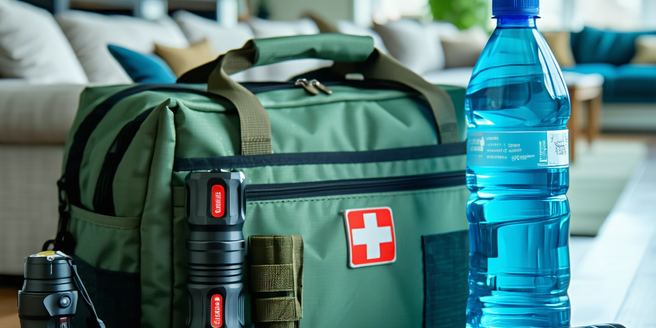
Having a well-stocked emergency kit can be a lifesaver during a windstorm. It should include essentials like water, non-perishable food, flashlights, batteries, and a first aid kit. Moreover, having items such as a multi-tool, blankets, and extra clothing can provide comfort and utility. It’s also wise to regularly check and update your kit to ensure all items are in good condition. A whistle can also be useful for signaling in case of an emergency. A battery-powered or hand-crank radio is essential for receiving updates. Remember to include personal items, medications, and critical documents in the kit. The goal is to have enough supplies to sustain your household for several days without access to outside resources.
Protecting Windows and Doors
Windows and doors are vulnerable points in a home during a windstorm, and protecting them can prevent extensive damage. Installing storm shutters or boarding up windows with plywood can safeguard against flying debris. Doors should be reinforced with heavy-duty bolts and hinges. For long-term protection, consider investing in impact-resistant glass. Adding weather stripping can also improve their resistance to harsh weather. It’s also wise to check the seals around windows and doors to ensure they are airtight and secure. Regular maintenance and inspections can further enhance their durability against severe weather conditions. Garage doors also require special attention, as they can be susceptible to strong winds. Ensuring they are braced properly can prevent them from blowing in and causing structural damage.
Establishing a Family Communication Plan
A family communication plan is vital in ensuring everyone’s safety during a windstorm. Ensure that all family members know the emergency contacts, including the details of where to meet if separated. Assign roles beforehand, such as who is responsible for securing pets or grabbing the emergency kit. Consider the specific needs of each family member, such as medical conditions or mobility issues. It’s also important to keep a list of necessary supplies updated and easily accessible. Having a designated safe room inside your home will help keep everyone together. Teach family members how to use a whistle or signaling device to draw attention if needed. Regularly practice the plan to ensure everyone understands their responsibilities.