
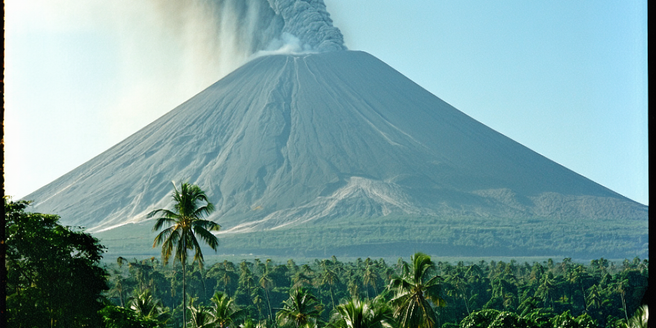
Understanding the Types of Volcanic Hazards
Volcanic hazards vary widely and understanding them is critical for preparedness and risk mitigation. Lava flows, for instance, can destroy infrastructure with their high temperatures and advance rapidly depending on the slope of the land. Ash fall can affect large areas, disrupting air travel and posing health risks to humans and animals. Pyroclastic flows are the most dangerous, moving at high speeds with devastating force. Monitoring systems can provide early warnings, giving people more time to evacuate or take necessary precautions. Understanding these hazards involves studying volcanic activity patterns, local geography, and historical data. Educating communities located near volcanoes about these dangers can improve readiness and response, ultimately reducing the impact of volcanic events.
The Role of Technology in Volcanic Monitoring
Advancements in technology have significantly enhanced our ability to monitor volcanic activity. Remote sensing technologies, such as satellite imagery and thermal cameras, allow scientists to observe volcanoes from a safe distance. As technology progresses, the precision and accuracy of these tools continue to improve. In recent years, drones have also been utilized to gather data from hard-to-reach areas. These tools have revolutionized how we study volcanic landscapes. In addition, seismic networks can detect and analyze the tremors that often precede eruptions, providing early warnings. Gas emission sensors measure volcanic gases like sulfur dioxide, which can indicate magma movement beneath the surface. The integration of these technologies into a comprehensive monitoring system helps predict potential eruptions and mitigate risks, ensuring timely evacuations and safeguarding communities.
Weather’s Impact on Volcanic Activity
Weather can influence volcanic activity and its consequences in various ways. Rainfall, for example, can mix with volcanic ash and debris to form dangerous lahars, or volcanic mudflows, that travel rapidly down river valleys. These mudflows can cause significant damage to infrastructure and pose serious risks to communities living nearby. Wind patterns determine the dispersion of volcanic ash, affecting the regions that experience air quality issues and aviation hazards. Atmospheric pressure changes can also influence volcanic gas emissions. Interestingly, high humidity levels can impact the way volcanic gases are released and their subsequent interactions with the surrounding environment. Therefore, real-time weather data is crucial in assessing the potential impact of volcanic eruptions. Combining weather forecasting with volcanic monitoring enhances disaster preparedness and response strategies.
Case Studies of Recent Volcanic Eruptions
Analyzing recent volcanic eruptions provides valuable insights into their diverse impacts and the effectiveness of monitoring and response measures. The 2018 eruption of Kilauea in Hawaii, for instance, demonstrated the destructive potential of lava flows, which covered roads and destroyed homes. One notable aspect was the resilience and adaptability of the local communities in the face of such adversity. In addition, the role of local government in coordinating evacuation efforts proved crucial in minimizing casualties. Meanwhile, the 2010 eruption of Eyjafjallajökull in Iceland showcased how ash plumes can disrupt global air travel. By studying these events, scientists and emergency responders can refine risk assessment models and improve communication strategies. Sharing lessons learned from these case studies is essential for enhancing global volcanic preparedness.
Improving Early Warning Systems For Safety
Effective early warning systems are crucial in minimizing the impacts of volcanic eruptions on human life and infrastructure. These systems rely on timely communication between monitoring agencies and the public. Advances in technology enable more accurate predictions and timely alerts, through automated message systems and mobile apps. Furthermore, innovative satellite technology provides real-time monitoring of volcanic activity from space. It is essential that these technologies are consistently updated to handle evolving volcanic behaviors. Regular drills and education programs ensure that communities understand how to respond to warnings. Collaboration between local governments, scientists, and international organizations is key to strengthening these systems. Continuous improvement of early warning technologies maximizes safety and reduces the risk of catastrophic impacts from volcanic events.