
Understanding Temperate Zones and Their Climates
Temperate zones, located between the polar and tropical regions, exhibit moderate temperatures that fluctuate with the changing seasons. These zones are characterized by the presence of four distinct seasons: winter, spring, summer, and autumn. The climate in temperate zones is influenced by their location, elevation, and proximity to oceans or other large water bodies, which can moderate temperatures. Due to the tilt of the Earth’s axis, temperate zones experience varying lengths of daylight, with longer days in the summer and shorter days in the winter. Understanding these zones is crucial for agriculture, as many staple crops thrive under such conditions. The variation in temperature and precipitation throughout the year requires adaptive strategies for both flora and fauna to survive and thrive.
The Science Behind Seasonal Changes
The science of seasonal changes revolves around the Earth’s axial tilt and its orbit around the sun. As the Earth orbits, different parts receive varying amounts of sunlight at different times of the year. This axial tilt, set at approximately 23.5 degrees, is responsible for the differentiation of seasons. When the Northern Hemisphere is tilted towards the sun, it experiences summer, while the Southern Hemisphere experiences winter, and vice versa. The transition of seasons affects ecological patterns, influencing animal migration, plant growth, and weather patterns. Understanding this process is vital for predicting weather changes and preparing for agricultural cycles. It also addresses broader climate concerns, as shifts in seasonal patterns can indicate changes in global climate dynamics.
Spring: Awakening of Nature
Spring is marked by the renewal of life as temperatures rise and daylight extends. Nature awakens from the dormant state of winter, with plants beginning to bud and flowers to bloom. In temperate zones, this season typically sees an increase in rainfall, which nourishes the emerging plant life. Animals that hibernated during the winter months begin to emerge, and many species use this time to breed and raise young. The longer days and warmer weather create an ideal environment for new beginnings in both flora and fauna. For humans, spring often signifies growth and new opportunities, as well as a time to prepare for the planting season. This seasonal change underscores the interconnectedness of ecosystems and the delicate balance of nature.
Summer: Warmth and Abundance
Summer is characterized by the warmest temperatures of the year and extended daylight hours. In temperate zones, this season is associated with an abundance of life and activity. Plants and trees are in full bloom, crops grow rapidly under the sun’s intense rays, and the animal kingdom is bustling with activity. Many species take advantage of the plentiful resources during summer to feed and raise their offspring. For humans, summer offers opportunities for outdoor activities, agriculture, and harvesting early crops. It is a time of hard work but also of enjoyment and connection with nature. The warmth and light of summer foster growth and productivity, fueling ecosystems and human societies alike.
Autumn: Harvest and Transformation
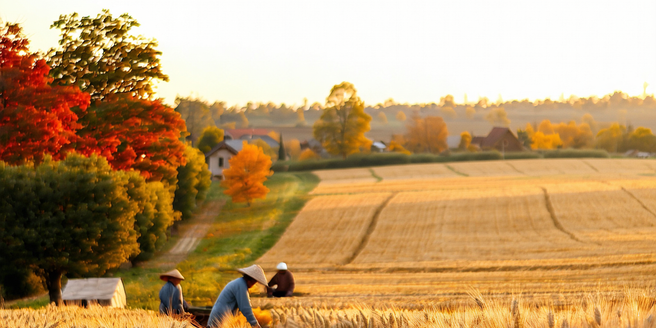
Autumn is a season of change, marked by the harvest of crops and the beginning of cooler, shorter days. In temperate zones, deciduous trees display a brilliant show of colors as leaves change from green to hues of red, orange, and yellow before falling. This transformation prepares the trees for the coming winter months. Farmers reap the benefits of their hard work, gathering the bounty of the harvest. The dropping temperatures signal many animals to prepare for hibernation or migration. Autumn symbolizes transformation and transition, not only in the natural world but also culturally, as many societies celebrate harvest festivals. This season prompts reflection on the cycle of growth and the preparation needed for the year ahead.
Winter: Rest and Renewal
Winter brings the coldest temperatures and often, snow or frost-covered landscapes in temperate zones. This season is a period of dormancy for many plants and a time of hibernation or migration for animals. The shorter daylight hours lead to a slowdown in growth and activity, offering a natural pause. For humans, winter is a time for rest and renewal, often spent indoors with family and loved ones. It is a season to reflect on the past year and make plans for the future. Despite the harshness, winter’s rest is essential for rejuvenating the earth, setting the stage for the cycle of life to begin anew with the arrival of spring. Thus, winter is as much a season of reflection as it is of preparation.