
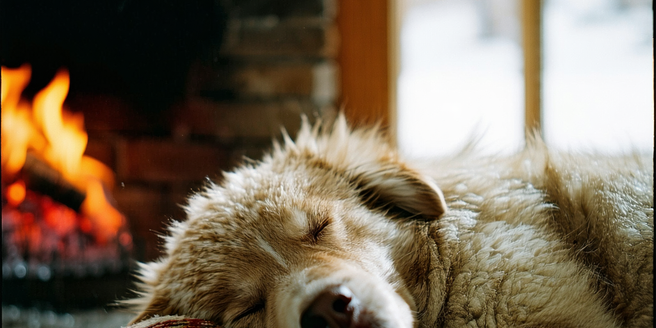
Understanding Your Pet’s Cold Weather Needs
When temperatures drop, it’s essential to understand that pets, like humans, have varying thresholds of cold they can tolerate. Short-haired breeds or pets with low body fat may feel the chill more than others. Recognizing signs of discomfort in your pet, such as shivering or reluctance to go outside, can help you cater to their needs more effectively. Ensuring your pet has a warm, draft-free space indoors and minimizing exposure to harsh weather conditions can significantly impact their well-being. Additionally, pay attention to grooming habits, as maintaining a healthy coat can offer better insulation. For pets with thin fur or older pets with joint issues, consider providing extra warmth to keep them comfortable throughout the colder months.
Essential Cold Weather Garments and Gear
When preparing for winter, equipping your pet with the right garments can make a world of difference. Dog sweaters and jackets are fundamental, offering warmth and protection. Choose items with a high neckline and coverage that extends to the base of the tail. Consider waterproof materials for outdoor garments to shield against snow and rain. Boots can also be an essential part of a pet’s winter wardrobe, protecting paws from ice, salt, and cold terrain. For indoor warmth, cozy pet beds and blankets can create a snug environment. Don’t forget reflective gear for dark evening outings, ensuring both safety and visibility. Investing in well-fitting, quality garments ensures that your pet stays warm and secure during winter adventures.
Selecting the Right Fabrics for Warmth and Comfort
Choosing the right fabrics for your pet’s cold-weather attire ensures warmth without sacrificing comfort. Look for materials like fleece or wool that offer excellent insulation and are soft against the skin. It’s also important to measure your pet properly to ensure a good fit. Fleece, in particular, is lightweight, warm, and highly breathable, making it an excellent choice for active pets. Wool, while warm, should have a liner to prevent itching. Avoid fabrics that retain moisture, as wet clothing can lead to chills. Consider quilted fabrics for added warmth and a windproof barrier. Comfort is key, so ensure all seams are soft and non-irritating. Picking the right fabric is crucial for maintaining warmth yet allowing freedom of movement and breathability for your pet.
Proper Fitting: Ensuring Mobility and Safety
A well-fitting garment is crucial to your pet’s comfort and safety in cold weather. Clothing that is too tight can restrict movement and cause discomfort, while overly loose pieces may lead to tripping or entanglement. Proper measurements of your pet’s neck, chest, and length from neck to tail are essential. Look for adjustable features like Velcro straps or elastic bands that ensure a snug yet comfortable fit. Check the placement of fasteners to avoid irritating sensitive areas. Observe your pet’s movements to be sure they can walk, run, and sit naturally in their winter gear. Prioritizing a good fit not only keeps them comfortable but also allows them to enjoy the season’s activities safely.
Layering Tips for Extreme Weather Conditions
Layering your pet’s clothing can provide extra protection during extreme cold spells. Start with a base layer made from a moisture-wicking fabric to keep skin dry. This is particularly important for pets who play in the snow, as moisture can lead to chills and discomfort. Add a middle layer for insulation, such as a fleece or wool jacket, to retain heat. The outer layer should be weather-resistant, guarding against wind, snow, and rain. Ensure each layer is not too bulky to allow full mobility. Check freedom of movement after dressing, making sure layers don’t impede your pet’s natural actions. Thoughtful layering helps maintain optimal body temperature, keeping your pet safe and warm.