
Understanding Local Ecosystems and Their Vulnerabilities
Local ecosystems are complex networks of plants, animals, and microorganisms interacting with their physical environment. Their vulnerabilities often stem from natural and human-induced changes. Disruptions, such as land-clearing, pollution, and invasive species, can significantly affect the balance within these ecosystems. Conservation efforts play a critical role in mitigating these impacts. Being intricately interconnected, any alteration in one component can lead to cascading effects throughout the system. For instance, loss of vegetation can lead to soil erosion, reducing nutrient availability and impacting fauna that rely on specific plant species for food. Understanding these vulnerabilities is key to developing strategies that help maintain ecological balance, support biodiversity, and enhance resilience against changing environmental conditions.
Storms: Types, Frequency, and Intensity
Storms are powerful atmospheric events that vary in type, including hurricanes, tornadoes, and thunderstorms. Their intensity and frequency are influenced by climatic conditions. Hurricanes, often occurring in warmer regions, are characterized by strong winds and heavy rain, causing widespread destruction. Tornadoes, more localized, deliver highly concentrated damage with their rapidly rotating columns of air. In recent years, advancements in satellite technology have significantly improved the monitoring of these storms. Statistical models suggest that climate change could increase storm frequency and intensity. Rising global temperatures lead to more energy in the atmosphere and oceans, creating conditions conducive to storms. Understanding the storm types and predicting their patterns are crucial for preparedness and mitigation strategies aimed at minimizing their impact on both human and natural systems.
Immediate Effects of Storms on Flora and Fauna
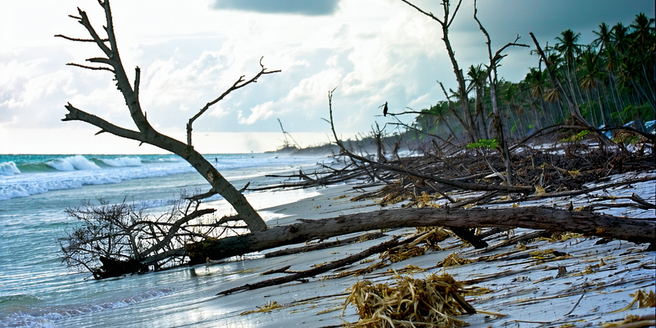
Storms can have devastating immediate effects on flora and fauna, reshaping landscapes in their wake. High winds and torrential rains can uproot trees and strip away vegetation. Wildlife may face displacement, injury, or mortality, affecting food chains and habitat structures. Birds and insects, for example, may find their nesting sites destroyed. In some cases, human interventions are necessary to support recovery efforts and prevent further ecological damage. Aquatic life can be disrupted by increased sedimentation and pollution in storm runoff, altering water quality and flows. Immediate responses by affected populations include migration to safer areas and altered reproductive patterns. Despite these challenges, some species demonstrate remarkable adaptability, helping ecosystems gradually recover and adapt to new conditions post-storm.
Long-term Environmental Consequences and Recovery
The long-term consequences of storms are significant and multifaceted. Vegetation loss and soil erosion can hinder plant regrowth, affecting local biodiversity and ecosystem services such as water filtration and carbon storage. Changes in landform may alter watercourses, impacting aquatic habitats. Wildlife populations might decline if breeding grounds and food sources are disrupted. These disruptions can lead to long-term effects on genetic diversity within affected species. Recovery is often a slow, complex process that involves recolonization of plants, regeneration of habitats, and reestablishment of complex food webs. Natural recovery is sometimes supplemented by human intervention through reforestation projects and ecological restoration efforts aimed at accelerating recovery and building resilience against future storm events.
Strategies for Mitigating Storm Damage to Ecosystems
Mitigating storm damage on ecosystems involves proactive and reactive strategies aimed at boosting resilience. Proactive measures include preserving natural buffers like wetlands and mangroves, which reduce storm surge impacts and improve water quality. Restoration of native vegetation helps stabilize soil and support diverse wildlife. Integrating traditional ecological knowledge with scientific research can further enhance these efforts. Educating local communities plays a crucial role in fostering support for these initiatives. Implementing sustainable land management practices reduces erosion and encourages biodiversity. After storms, reactive approaches such as targeted reforestation, habitat reconstruction, and species monitoring guide ecosystem recovery. Community involvement and partnerships with conservation organizations enhance resources and knowledge sharing, facilitating effective implementation of strategies tailored to the specific needs and conditions of affected areas.