
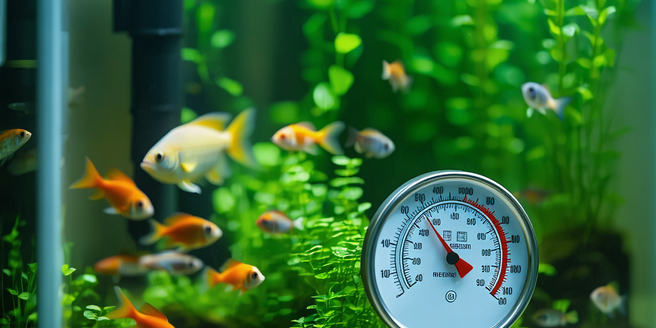
Understanding the Importance of Indoor Humidity for Pets
Maintaining the right indoor humidity level is crucial for the health and comfort of pets. Pets can suffer from dry skin, respiratory issues, and discomfort when the air in our homes is too dry or too humid. It’s essential to regularly check humidity levels using a reliable hygrometer. A balanced humidity level helps to keep their skin hydrated, reduces the risk of respiratory problems, and ensures overall well-being. For example, dry air can lead to dry, itchy skin and increased shedding in cats and dogs, while too much humidity can foster bacteria and mold, leading to infections. Understanding your pet’s specific needs and monitoring indoor air quality can help promote a healthier and more comfortable environment for them.
How Humidity Levels Affect Different Types of Pets
Different types of pets have varied needs when it comes to humidity levels. Reptiles, for example, often require higher humidity levels to mimic their natural habitats, which is essential for shedding their skin properly and for respiratory health. On the other hand, excessive humidity can be detrimental to birds, leading to mold growth in their feathers and respiratory infection risks. It’s important to regularly monitor humidity levels in the environment where your pets live. Investing in a reliable hygrometer can help you keep track of these levels accurately. Small animals like rodents prefer moderate levels of humidity to maintain coat health and prevent respiratory diseases. Each species has its comfort zone, and understanding these differences is key to providing the best care.
Simple Ways to Measure Indoor Humidity
Measuring indoor humidity is straightforward with the right tools. Hygrometers, which are easy to use, provide digital or analog readings of the moisture content in the air. By placing them in key spots within your home, you can consistently monitor areas prone to humidity fluctuations. Regular checks help in identifying trends and making necessary adjustments to the environment for your pets. This is especially important for pets like reptiles, which require specific humidity levels. Consistent monitoring can also aid in preventing issues related to mold and mildew growth. For more precise measurements, consider using a digital hygrometer with a built-in temperature gauge to give a more detailed picture of the environment. Such tools make maintaining optimal conditions for pet comfort both manageable and effective.
Tools and Devices to Control Humidity Levels
Maintaining optimal indoor humidity involves using various tools and devices designed for this purpose. Humidifiers add moisture to the air and are perfect for dry climates or homes with central heating. They come in different models, including ultrasonic, evaporative, and steam vaporizers. Conversely, dehumidifiers remove excess moisture and are suitable for damp environments, helping to prevent mold, mildew, and dust mites. It’s important to regularly clean and maintain these devices to ensure they function efficiently. For those experiencing humidity-related allergies, these devices can bring significant relief. Additionally, proper ventilation, such as exhaust fans and open windows, can naturally regulate humidity levels. Utilizing these tools effectively ensures your home remains a haven of comfort for your pets.
Seasonal Tips for Maintaining Optimal Humidity
Each season presents unique challenges for maintaining the right indoor humidity. During winter, heating systems can significantly reduce indoor moisture, making humidifiers an essential tool to combat arid conditions. Conversely, summer comes with increased humidity, making dehumidifiers useful to avoid oppressive, damp indoor air. Regularly monitoring humidity levels during seasonal transitions ensures timely adjustments. Investing in a hygrometer can provide accurate readings and aid in maintaining ideal conditions. Moreover, proper ventilation can contribute significantly to managing humidity levels effectively. Simple actions like using bathroom and kitchen exhaust fans during hot months or sealing windows and doors in colder periods can also help maintain an optimal environment, ensuring your pets remain comfortable year-round.