
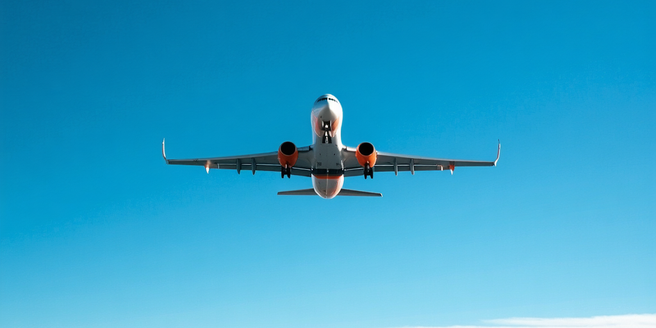
Understanding Atmospheric Layers and Flight Safety
Understanding the different atmospheric layers is crucial for flight safety. Each layer, from the troposphere to the exosphere, presents distinct conditions affecting flight operations. The troposphere, where most weather phenomena occur, has significant turbulence and changing weather patterns. Pilots must navigate through this layer carefully, often requiring adjustments in altitude to ensure a smooth flight. Above it, the stratosphere offers calmer conditions but is not devoid of challenges, such as reduced oxygen levels and colder temperatures. Understanding these layers helps pilots make informed decisions on safer altitudes, adapting to each layer’s unique challenges. Meteorological knowledge and real-time data related to these layers are imperative to maintaining safety and efficiency in aviation, underscoring the importance of meteorologists in the aviation industry.
How Weather Conditions Affect Altitude Choices
Weather conditions are pivotal in deciding the optimal flight altitude. Pilots and flight planners use meteorological data to anticipate weather phenomena like storms, clear air turbulence, and jet streams that can impact flight paths. Thunderstorms, for instance, are avoided due to severe turbulence; thus, routes or altitudes might be adjusted to navigate around such systems. High winds at certain altitudes or temperature inversions also necessitate altitude reassessments, ensuring safety while optimizing fuel efficiency. Predictive weather modeling and real-time data allow for better-planned routes, reducing risk, and enhancing passenger comfort. The intricate understanding of these weather-related factors helps pilots and airlines choose altitudes that mitigate risks, ultimately leading to safer and more efficient flights.
The Role of Barometric Pressure in Aviation
Barometric pressure is a vital factor in aviation, influencing altitude readings and aircraft performance. Altimeters, which measure altitude, rely on ambient atmospheric pressure to provide accurate readings. As barometric pressure changes with weather systems and elevation, it affects flight planning and altitude decisions. Low pressure areas can signal adverse weather, prompting pilots to alter altitudes or routes to avoid turbulence. Moreover, accurate pressure readings are critical during takeoff and landing phases, where precise altitude knowledge assures operational safety. Meteorologists supply real-time barometric pressure data, allowing pilots to make informed decisions. Thus, understanding and accurately interpreting barometric pressure not only ensures compliance with safety regulations but also enhances the overall quality of flight operations.
Temperature Variations and Safe Flying Limits
Temperature variations significantly affect flying safety limits, influencing aircraft performance parameters. At higher altitudes, colder temperatures can lead to air density changes, impacting lift and engine efficiency. Understanding temperature gradients is crucial, especially in regions with extreme weather conditions. Temperature fluctuations affect fuel burn rates and can dictate altitude due to atmospheric stability or instability. Moreover, sharp temperature changes can influence cabin pressure and passenger comfort. Pilots and engineers work in tandem, using temperature data to optimize aircraft performance and safety. This includes selecting the most efficient cruising altitude, considering the balance between temperature, aircraft weight, and distance. Continuous monitoring through onboard sensors and meteorological inputs helps adapt to temperature variations, maintaining safety at all flight stages.
Navigating Through Storms: Altitude Adjustments
In aviation, storms constitute significant risks, and altitude adjustments are often necessary for safe navigation. Pilots use radar and real-time meteorological data to identify thunderstorm cells, making informed decisions to divert or adjust altitude. Flying over or around storms becomes crucial to avoid turbulence, lightning, and hail. Weather systems can dictate whether a climb or descent is safer based on storm intensity. Additionally, clear communication with air traffic control and advanced weather forecasts contribute to effective storm navigation strategies. This proactive approach not only increases safety margins but also enhances passenger confidence. Timely altitude adjustments based on storm patterns ensure aircraft avoid the most turbulent zones, minimizing risk and maintaining operational efficiency.
Tools and Technology for Altitude Decision Making
Modern aviation benefits immensely from advanced tools and technology in making altitude decisions. Aircraft are equipped with sophisticated avionics systems, including GPS, weather radar, and altimeters, providing real-time data essential for safe altitude choice. Enhanced weather forecasting technology contributes to strategic decision-making, giving pilots insights into atmospheric conditions. Predictive analytics and AI-driven systems analyze data from multiple sensors, offering recommendations on optimal altitude adjustments based on current and forecasted weather. Moreover, satellite-based observation tools enhance visibility into remote or rapidly changing weather systems. These technological advancements not only improve safety but also optimize fuel efficiency and overall flight performance, highlighting the ever-growing role of innovation in modern aviation safety protocols.