
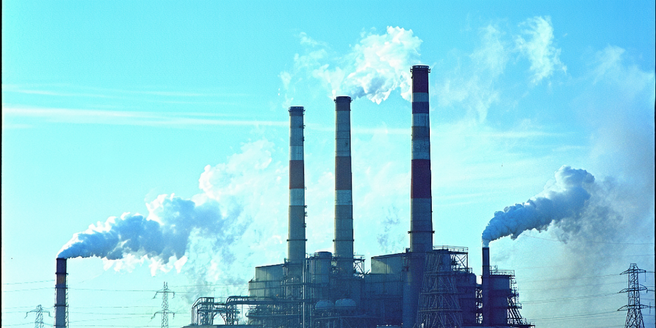
Understanding Air Pollution Sources
Air pollution originates from various sources, including industrial emissions, vehicle exhaust, and natural occurrences like wildfires and dust storms. The burning of fossil fuels in power plants and factories releases large quantities of pollutants such as sulfur dioxide and nitrogen oxides into the atmosphere. Transportation is another significant contributor, with cars and trucks emitting particulate matter and volatile organic compounds. Natural events like volcanic eruptions and dust storms can also introduce pollutants. It is crucial to identify and understand these sources to design effective strategies for reducing air pollution. Strategies may include implementing stricter emissions standards, promoting renewable energy, and encouraging public transportation. Education and policy changes play vital roles in addressing these pollutants and improving air quality for healthier communities.
The Link Between Weather Patterns and Air Quality
Weather patterns play a critical role in influencing air quality. During periods of high pressure, pollutants can become trapped near the ground, leading to increased concentrations of smog and harmful particulate matter. Temperature inversions, where a layer of warm air traps cooler air underneath, can exacerbate this effect by preventing pollutants from dispersing. Conversely, rainy and windy days can improve air quality by dispersing and diluting pollutants. Understanding these weather-related dynamics is essential for predicting air quality trends and mitigating health risks. Advances in meteorological forecasting and improved air quality models enable better prediction and management of these interactions, thus aiding policymakers in crafting more effective environmental regulations to protect public health.
Innovative Technologies for Reducing Air Pollution
Advancements in technology offer promising solutions for reducing air pollution. Electric vehicles (EVs) have emerged as a cleaner alternative to traditional gasoline-powered cars, significantly lowering emissions of greenhouse gases and pollutants. Additionally, developments in carbon capture and storage (CCS) allow for the removal and sequestration of CO2 emissions from industrial sources. These innovations are essential in the fight against climate change. Air quality sensors and monitoring systems have improved in precision and access, enabling real-time tracking of pollution levels. Moreover, the use of renewable energy sources like wind and solar reduces dependence on fossil fuels, lowering overall emissions. These technologies, along with policy support and investment, are critical in addressing air quality challenges and achieving sustainable development goals.
Impact of Clean Air Initiatives on Local Climates
Clean air initiatives, such as the implementation of low-emission zones and the promotion of public transportation, can have significant impacts on local climates. By reducing the number of vehicles on the road and limiting industrial emissions, these initiatives decrease the concentration of pollutants in the air. This can lead to measurable improvements in air quality, enhancing public health and environmental conditions. Furthermore, cleaner air can affect local weather patterns, potentially leading to slight changes in temperature and precipitation. Urban areas that adopt more vegetation and reduce heat-absorbing surfaces can also experience lowered urban heat island effects. Evaluating these impacts helps refine policies and maximize their benefits for both climate adaptation and mitigation efforts.
Future Trends in Air Quality and Weather Adaptation
As challenges in air quality and climate change become more pressing, future trends point towards integrated strategies that address both issues simultaneously. Advances in data analytics and machine learning allow for more precise prediction of air quality impacts and inform better decision-making. Smart city technologies, which incorporate sensors and IoT devices, facilitate real-time monitoring and response systems for air quality management. The transition to renewable energy sources continues to be a pivotal aspect of reducing emissions and mitigating climate change. Furthermore, community involvement and public awareness campaigns will play an important role in advocating for sustainable practices. The synergy between technological innovation and proactive policy frameworks will be essential in adapting to future air quality and weather challenges.