
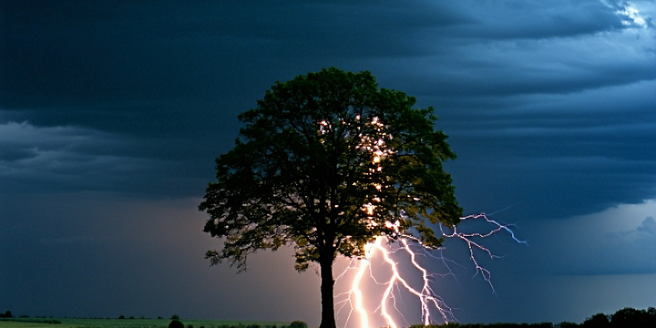
Understanding Lightning and Its Dangers
Lightning is a sudden electrostatic discharge that occurs during a thunderstorm, resulting in the release of massive energy. This natural phenomenon poses significant dangers, including electrocution, fires, and structural damage. Understanding these risks is crucial for personal safety. Lightning can strike from cloud to ground or within the same cloud, making it unpredictable. The electrical charge can travel through tree roots, plumbing, and even ground surfaces, posing a risk to anyone in proximity. Staying informed about weather forecasts and recognizing signs of an impending storm, like darkening skies or increased wind, is vital in mitigating risks. Awareness of high-risk areas such as open fields, isolated trees, or bodies of water can help individuals make informed decisions to seek shelter promptly. Safe practices include staying indoors and away from windows to avoid injuries.
Materials to Avoid During Thunderstorms
During thunderstorms, certain materials can pose heightened risks of being struck by lightning. Metal is a prime conductor of electricity; thus, avoiding contact with metallic objects such as bicycles, fences, or metal tools is essential. Another dangerous material is water, due to its conductive properties, so swimming or being in proximity to pools, rivers, or lakes can increase the risk of lightning strikes. Additionally, wet concrete surfaces can conduct electricity, so it’s wise to avoid standing on such areas. Trees and wooden objects, though non-conductive, can explode when struck as the moisture inside vaporizes under the intense heat. Thus, avoiding shelter under a tree during a storm is advisable. Awareness of these materials and taking steps to minimize contact can significantly reduce the risk of injuries caused by lightning.
Best Clothing Choices for Lightning Safety
Choosing appropriate clothing during a lightning storm can mitigate the chances of injury. It’s advisable to wear clothes made of non-conductive materials such as cotton or wool. Avoid metallic accessories or clothing with metal zippers or buttons, as they might attract lightning. Loose-fitting clothing is preferable since it decreases direct skin contact with moisture mediums and provides better ventilation. Fabrics that can dry quickly, like nylon, should be worn with caution if synthetic layers are retained underneath. Footwear should be rubber-soled, as they provide better insulation against ground currents. Being mindful of the clothing you wear during a lightning storm is essential. Awareness and proactive choices contribute to personal safety, ensuring that the risk of electrical pathways forming near the body is minimized.
Footwear Considerations in Lightning Storms
Your footwear during a lightning storm can play a crucial role in your safety. Rubber-soled shoes are recommended as they offer better insulation against ground currents compared to leather-soled footwear. Avoid wearing shoes that contain metal components, such as steel-toed boots, which can conduct electricity. Footwear made from insulating materials like rubber or dense foam is ideal. If caught outdoors, standing on dry, insulated surfaces, such as wooden planks or rubber mats, can help minimize the risk of ground currents reaching you. Being aware of your surroundings and the materials you stand on during a storm is crucial. Proper footwear provides an additional layer of protection and reduces the risk of injury from lightning strikes. Prioritizing safety can help mitigate the dangers associated with thunderstorms.
Additional Gear for Enhanced Protection
To secure yourself further during a lightning storm, consider incorporating additional gear for protection. A reliable, non-metallic umbrella can provide shelter from rain without attracting lightning. It is crucial to avoid using electronic devices like cell phones or music players unless they are essential, as these can increase exposure to electrical currents. Carrying a portable weather radio can be invaluable for staying informed of storm developments. If you must venture outside during a storm, wearing a poncho or a raincoat made from non-conductive materials can shield you from becoming a conduit for electricity. It’s also wise to pack a small emergency kit that includes a flashlight, first aid supplies, and non-perishable food and water. These precautions help enhance your safety in unpredictable weather conditions.
Indoor Safety Tips During a Lightning Storm
During a lightning storm, staying indoors is generally the safest option, but precautions are still needed. Avoid using wired electronics such as landline phones, computers, or televisions, as these can transmit electrical surges. Refrain from touching plumbing fixtures like sinks or showers, as pipes can conduct electricity. Stay away from windows and doors, which can be vulnerable points for lightning to strike. Unplug unnecessary appliances to prevent surge damage and potential fire hazards. It’s helpful to have a battery-powered flashlight and a weather radio handy, should power outages occur. If you feel tingly or your hair stands on end, lightning may be about to strike close by, so crouching down low on the balls of your feet can minimize the risk. Adopting these safety measures can significantly reduce indoor risks during a lightning storm.