
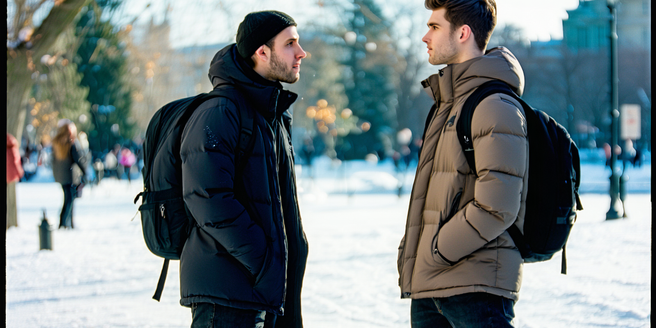
Layering Up: The Basics of Cold Weather Attire
Layering is crucial for staying warm in cold weather. Begin with a moisture-wicking base layer to keep sweat off your skin. Add an insulating middle layer, like a fleece or wool sweater, to trap body heat. Finally, an outer shell, preferably waterproof and windproof, protects against the elements. Proper layering not only retains warmth but also allows for easy adjustments based on activity level and changing weather conditions. Avoid cotton, as it retains moisture and can lead to rapid heat loss. Focus on materials like wool, polyester, and down, which offer both insulation and breathability. Experimenting with different combinations helps identify what works best for your comfort and warmth. Properly layered attire is the frontline defense against cold and helps make outdoor activities in chilly temperatures enjoyable.
Insulated Footwear: Keeping Your Feet Warm
Cold feet are a surefire way to ruin a walk on a crisp winter day. Investing in insulated boots is essential for maintaining foot warmth. Look for options with a sturdy rubber sole to provide traction on icy or snowy surfaces. Materials like Thinsulate or fleece lining offer efficient heat retention without adding bulk, ensuring comfort and mobility. Proper fit is crucial; overly tight boots can impede circulation, while too loose a fit can allow cold air to enter. Consider moisture-wicking socks made of wool or synthetic fibers to keep feet dry and warm. If you’re expecting extreme conditions, add thermal insoles for additional insulation. Remember, well-chosen footwear is not just about warmth but also about safety, keeping you stable and secure underfoot during slippery conditions.
Headgear and Earmuffs: Protecting Sensitive Areas
In cold weather, a significant portion of body heat can be lost through the head, making proper headgear essential. Whether you choose a knitted beanie, fleece hat, or balaclava, ensure it covers your ears and is made of materials designed for insulation, like wool or thermal fleece. Earmuffs can be a stylish addition to your winter wardrobe, offering protection to one of the most vulnerable areas. For maximum warmth, consider hats with ear flaps or built-in earmuffs. If wearing helmets or other headgear is necessary for activities like cycling or skiing, choose thin yet warm materials to fit comfortably under headgear. By adequately covering the head and ears, you preserve body heat, enhance your comfort, and prevent exposure-related risks like frostbite, ensuring a safe and pleasant cold-weather experience.
Reflective Clothing: Stay Visible in Low Light
With shorter days in winter, it’s often necessary to be out walking in low light conditions. Reflective clothing becomes a critical component of a winter wardrobe. Vests, jackets, and pants with reflective strips can vastly improve your visibility to drivers and other pedestrians. Consider accessories like headlamps or reflective tape added to existing clothing. Reflective gear should be strategically placed; areas that move, such as arms and legs, catch the eye more effectively. Choosing bright colors for clothing enhances visibility even during daytime. Reflective clothing not only keeps you visible but also allows you to be more mindful of your own movements in low visibility. Prioritizing visibility with reflective clothing increases safety for anyone out in dark, foggy, or snowy conditions, providing peace of mind during winter walks.
Choosing the Right Gloves for Dexterity and Warmth
Finding gloves that offer both warmth and dexterity can seem daunting, but it is essential for maintaining hand function in cold weather. Consider gloves with layered construction: thermal lining for warmth, water-resistant shells for protection, and a snug fit for dexterity. Materials like wool, fleece, or Thinsulate offer superior insulation while being lightweight. For activities requiring precision, like handling keys or mobile devices, opt for gloves with touchscreen-compatible fingertips or fingerless options with a fold-over mitten. Make sure gloves fit well without being too tight, allowing efficient blood circulation and movement. Insulated, windproof options ensure hands remain warm even in gusty, chilly conditions. By investing in quality gloves, you keep your hands protected and preserve mobility and comfort, enabling you to fully engage with any outdoor activities in the cold.