
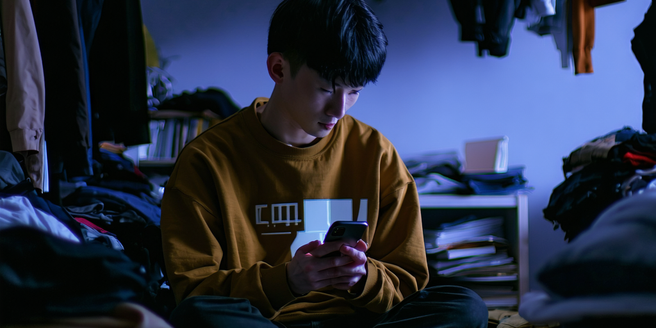
Understanding the Impact of Social Media on Mood
Social media, while a great tool for connection, can significantly impact mood in both positive and negative ways. On the one hand, it can foster feelings of belonging and support. On the other hand, excessive use can contribute to feelings of inadequacy, anxiety, and depression, particularly when users engage in constant comparison with carefully curated online personas. It’s essential to recognize the potential impact on self-esteem and personal well-being. Mental health experts emphasize the importance of being mindful about how one’s mood is affected after a social media session, encouraging users to self-reflect and take breaks as needed. Establishing a balanced approach is crucial to maintaining a healthy relationship with these platforms.
Identifying Signs of Overconsumption
Recognizing the signs of social media overconsumption is crucial for maintaining mental well-being. Symptoms can manifest as feelings of constant distraction, decreased attention span, and a compelling need to be always updated on notifications and news. It’s important to remember that moderation is key to a balanced digital life. Moreover, it’s important to consider how these habits impact your daily life and productivity. Emotional indicators include feelings of anxiety when one is away from their devices or when a post doesn’t receive anticipated engagement. Disrupted sleep patterns and neglect of offline responsibilities or relationships can also signal a problematic consumption level. Initiating regular, honest assessments of one’s digital habits can help in identifying these warning signs and adjusting habits accordingly.
Strategies for Limiting Screen Time
Effectively managing screen time can help reduce the adverse effects associated with excessive social media use. Begin by setting specific limits for how long and when social media can be accessed. It is important to communicate these boundaries with family members to ensure support and accountability. Regularly reviewing and adjusting these limits may also be necessary as habits change over time. Using apps that monitor device usage can provide insights into habits and support self-imposed restrictions. Creating device-free zones or times, such as during meals or before bedtime, can help establish boundaries. Additionally, one can engage in alternate activities like reading or exercising to fill the time previously spent online. Incorporating these strategies encourages a healthier balance and reduces dependency on social platforms.
Creating a Mindful Social Media Routine
Developing a mindful social media routine involves being intentional about how you engage with online platforms. Start by curating a feed that promotes positivity and aligns with personal interests and values. Be selective about follows, prioritizing real-world connections and content that motivates and informs beneficially. Consider setting time limits to ensure that your social media use does not interfere with other important daily activities. Maintaining a healthy balance between online interactions and offline experiences is crucial for overall well-being. Practice active engagement by setting goals for what you want to achieve in your social interactions, such as learning new skills, staying informed, or connecting with supportive communities. Reflect regularly on your social media interactions to ensure they contribute positively to your mental and emotional health.
Incorporating Offline Activities for Balance
Balancing online activities with enriching offline experiences can enhance overall well-being. Engage in hobbies such as gardening, painting, or playing an instrument to cultivate skills and relieve stress. Scheduling regular time for physical activities like yoga, walking, or team sports can boost mood and increase energy levels. Spending time outdoors has also been shown to improve mental health and creativity. Additionally, face-to-face interactions with friends and family can help build stronger bonds and provide social support. Taking time to disconnect from digital devices allows for more meaningful engagement in the present moment. Volunteering or joining local clubs further connects you to your community, providing a sense of purpose and belonging beyond virtual interactions. Pursuing a variety of offline activities ensures a fulfilling, well-rounded lifestyle.