
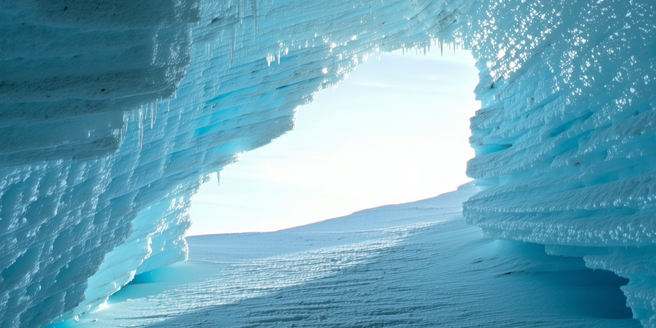
Understanding the Importance of Snow Caves
Snow caves serve as vital emergency shelters in harsh winter environments, providing significant protection against bitter winds and sub-zero temperatures. Constructed properly, a snow cave can maintain a temperature just below freezing, even when the outside weather is much colder. This can be the difference between life and death in an emergency situation. The thick walls of a snow cave insulate the interior, keeping heat from escaping while blocking out the wind. Additionally, the ceiling melts slightly from body heat, which refreezes as a layer of ice, further enhancing insulation. Understanding how to build and use a snow cave ensures preparedness during unforeseen winter adventures, and contributes to survival skills that are both practical and empowering.
Selecting the Ideal Location for Your Snow Cave
Choosing the right location for your snow cave is crucial for its effectiveness and safety. Look for areas with a stable and deep snowpack, away from potential hazards like avalanche paths or tree wells. A level area can retain heat better and is easier to dig in. Avoid building near water bodies, as sudden thaws can cause flooding. Consider the direction of prevailing winds; constructing your entrance away from the wind helps maintain the shelter’s warmth. Proximity to a recognizable landmark can also aid in finding your way back, especially during poor visibility conditions. Prioritize both safety and accessibility when selecting your site to ensure your shelter provides maximum benefit.
Gathering Essential Tools and Materials
Before you start building a snow cave, it’s important to gather essential tools to make the construction process efficient. A sturdy shovel is crucial for digging and shaping the cave. If available, a snow saw can be invaluable for cutting blocks of compact snow or ice. Insulated gloves and waterproof clothing will protect you from the cold and wet while working. An avalanche probe can assist in assessing snow depth and quality prior to construction. Additionally, bringing a tarp or thermal blanket can provide extra protection on the floor or walls once inside. Proper preparation with the right tools ensures that your snow cave is built effectively and comfortably.
Step-by-Step Guide to Digging Your Snow Shelter
To construct a snow cave, begin by marking out a space large enough for intended occupancy. Use a shovel to carve an entry passage, sloping it upwards slightly to trap heat inside. Inside, hollow out a sleeping platform above the tunnel floor to keep cold air at a lower level. The roof should be arched to prevent collapse and to allow melting water to run down the walls. Aim for a thickness of about 1-2 feet for adequate insulation. Constantly check structural integrity to prevent caving in. Patience is crucial—take your time to ensure the cave is secure and comfortable.
Insulating and Ventilating the Interior
After crafting the interior of your snow cave, focus on insulation and ventilation to ensure warmth and safety. Line the floor with evergreen boughs or a sleeping mat for added insulation from the cold ground. Create a small ventilation hole near the cave’s peak to allow carbon dioxide to escape, which prevents suffocation. Checking this vent regularly ensures it remains open. Seal any unintended cracks to minimize drafts that could lower the cave’s temperature. Taking these steps helps to maintain a habitable interior climate, making your snow cave an effective shelter in extreme conditions.
Safety Tips and Precautions for Snow Cave Use
Maintaining safety while using a snow cave involves key precautions. Always mark the location conspicuously to avoid losing it in snowstorms or darkness. Set a small ventilation hole to prevent asphyxiation and check it consistently to ensure it remains open. Be cautious of signs of weakness or melting in the ceiling which could indicate a risk of collapse. Lighting a candle can help to gauge air quality; if it flickers or goes out, ventilation needs improvement. Lastly, never occupy a snow cave alone without informing others of your location and expected return time. These precautions ensure a safe experience within your emergency shelter.