
Understanding the Risks of Sudden Winter Nightfall
Sudden winter nightfall can catch travelers off guard, leading to a range of risks including disorientation and hypothermia. When daylight hours are limited, temperatures can plummet rapidly, trapping individuals in hazardous conditions. The unfamiliar terrain combined with dwindling visibility increases the chance of missteps and accidents. It is essential to prepare mentally and physically for these situations. Carrying essential items, knowing your route, and understanding the local weather can dramatically reduce the risks. Winter nightfall requires prompt action to secure shelter, warmth, and sustenance. Always inform someone of your travel plans and expected return time, as a precaution, to ensure that help can be dispatched if needed. Educate yourself about wilderness survival to respond effectively should unexpected nightfall occur.
Essential Gear for Unexpected Overnight Stays
When faced with an unexpected overnight stay in winter conditions, having the right gear can mean the difference between comfort and danger. Essential gear includes a reliable source of warmth such as matches or a lighter along with a fire starter kit. An insulated sleeping bag and a durable, weather-resistant emergency blanket are critical for maintaining body heat. Pack a portable shelter like a bivvy sack or a tarp to protect against the elements. A headlamp or flashlight with extra batteries ensures visibility and safety. Non-perishable food items and a water filter or purification tablets provide essential sustenance. Additionally, carrying a multi-tool and extra layers of clothing made from moisture-wicking, heat-retentive materials can improve your chances of a safe, overnight survival.
Building a Makeshift Shelter in Snowy Conditions
In unexpected winter conditions, building a makeshift shelter is crucial to survival. Look for natural windbreaks such as trees or large rocks to provide initial protection. Use a tarp, if available, or collect branches and leaves to construct a lean-to or snow cave. If using snow, ensure walls are compact and create a ventilation hole to prevent carbon monoxide buildup from breathing. The shelter should be just big enough to maintain warmth while allowing some movement. Insulate the floor with pine needles, leaves, or even your backpack to reduce heat loss from the cold ground. The goal is to create a barrier against wind and retain body heat. Always factor in the stability and risk of snow collapse when building such shelters, adjusting as necessary for safety.
Keeping Warm: Strategies to Retain Body Heat
Retaining body heat is essential when facing unexpected winter nights. Start by wearing layers to trap heat effectively; moisture-wicking fabrics are ideal for the base layer to keep sweat away. Seal openings with scarves, hats, and gloves to prevent heat from escaping. Eating high-calorie snacks can fuel the body’s energy, aiding warmth generation. Physical activity like simple exercises or shivering produces heat; be careful to avoid excessive sweating. Positioning yourself to share body heat with companions or using hot water containers inside clothing layers can be life-saving. Additionally, sheltering from the wind and insulating yourself from the cold ground by using natural materials can significantly conserve body heat, making long survival periods more manageable.
Signal and Rescue: How to Attract Attention
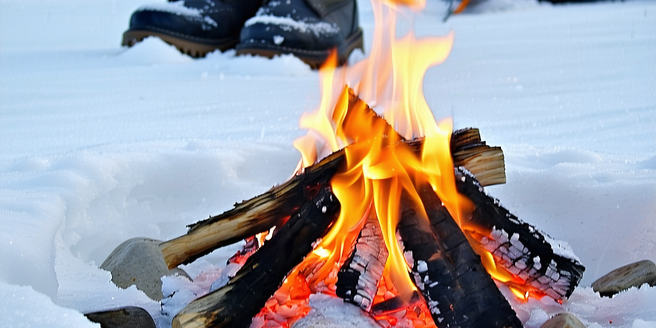
Attracting attention during winter emergencies requires effective signal strategies. Bright colors like orange or red can be used to create makeshift flags or markers against the snow. A signal fire, if conditions allow, sends visible cues by adding evergreen branches to produce smoke. Use a whistle to emit loud, distinct sounds that carry farther than a voice. Flashlights or reflective items can signal rescuers during dusk or dawn. Establish signals at regular intervals to conserve energy but maintain visibility. If mobile coverage allows, communicate your GPS location to rescue teams. Leave clear, visible markers of your presence and direction of travel for searchers. Understanding and efficiently implementing these strategies increases the likelihood of a swift rescue.