
Introduction to Rainwater Harvesting in Central America
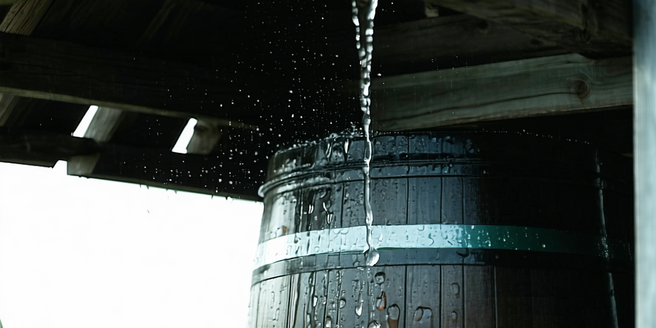
Central America, a region characterized by diverse climatic conditions, has long relied on rainwater harvesting as a sustainable solution to water scarcity. This traditional practice is crucial in rural and urban areas where access to clean water can be inconsistent. Rainwater harvesting involves collecting rainwater from surfaces, typically roofs, and storing it for future use. This age-old practice not only helps to mitigate the impact of droughts but also reduces the dependency on centralized water systems. With the growing threat of climate change, rainwater harvesting is increasingly recognized as a vital component in water management strategies across the region. By harnessing the abundant rainfall, communities can improve water security, promote sustainability, and adapt to changing environmental conditions.
Traditional Practices and Modern Innovations
In Central America, rainwater harvesting has evolved from simple collection methods to innovative systems that incorporate advanced technologies. Traditionally, communities used basic storage techniques and natural filtration through vegetation to collect and purify rainwater. However, recent innovations have introduced more efficient designs, such as gutter systems, first-flush diverters, and underground cisterns. These modern solutions greatly enhance water quality and storage capacity. Additionally, solar-powered pumps and purification systems are now being integrated, making rainwater harvesting systems more effective and sustainable. These advancements are bridging the gap between historical knowledge and contemporary technology, offering solutions that are adaptable to both rural and urban environments. As technology continues to advance, these systems are becoming more accessible, cost-effective, and reliable for communities throughout Central America.
Environmental and Economic Benefits of Rainwater Harvesting
Rainwater harvesting in Central America offers numerous environmental and economic benefits. Environmentally, it aids in reducing soil erosion and minimizing the impact of flooding by decreasing surface runoff. It also contributes to groundwater recharge, which is critical for maintaining ecosystem balance. Economically, utilizing harvested rainwater reduces reliance on costly water utilities and allows for significant savings on water bills. In agricultural settings, it provides an alternative water source for irrigation, enhancing crop yield and resilience to drought. Moreover, community-based rainwater programs create local employment opportunities and stimulate economic growth by involving local technicians and service providers. As a decentralized system, it empowers communities to manage their water resources sustainably. Overall, rainwater harvesting is a cost-effective strategy that addresses water scarcity while offering substantial ecological and financial benefits.
Challenges and Solutions in System Implementation
Implementing rainwater harvesting systems in Central America presents several challenges, such as financial constraints, lack of technical expertise, and inadequate awareness among communities. Additionally, infrastructure limitations and variable rainfall patterns pose significant hurdles. However, solutions are being developed to overcome these obstacles. Financial aid from governmental and non-governmental organizations can help alleviate the cost of installation and maintenance. Education and training programs are crucial in building local capacity and ensuring the systems’ effective operation. Furthermore, community engagement and advocacy can raise awareness about the benefits of rainwater harvesting, fostering greater acceptance. Collaboration between governments, NGOs, and local stakeholders is essential for creating policies and frameworks that support rainwater harvesting initiatives, paving the way for successful and sustainable implementation throughout the region.
Case Studies: Successful Projects Across the Region
Numerous successful rainwater harvesting projects in Central America showcase the potential of this practice to transform communities. In Guatemala, a community-driven initiative resulted in the installation of rooftop rainwater collection systems in several rural schools, ensuring a reliable water source for students. In Nicaragua, a pilot project introduced low-cost filtration systems that significantly improved water quality, benefiting hundreds of households. Costa Rica’s government-backed program provides subsidies and technical support for communities adopting rainwater harvesting, leading to widespread implementation across urban and rural areas. These case studies highlight the importance of tailored solutions that consider local conditions and needs. They demonstrate that with the right support and resources, rainwater harvesting can lead to significant improvements in water security, public health, and community resilience.
Future Prospects for Rainwater Harvesting
The future of rainwater harvesting in Central America looks promising as more communities recognize its potential to provide sustainable water solutions amidst changing climatic conditions. Increased investments in research and development are driving innovation in system design and efficiency, making rainwater harvesting more accessible and effective. Governments are beginning to integrate rainwater harvesting into national water management strategies, recognizing its role in climate adaptation and resilience building. Efforts to create regional networks and partnerships are fostering the exchange of knowledge and best practices, streamlining implementation processes. As awareness grows about the environmental and economic advantages, it is likely that rainwater harvesting will play an increasingly integral role in Central America’s efforts to secure a resilient and sustainable water future for its populations.