
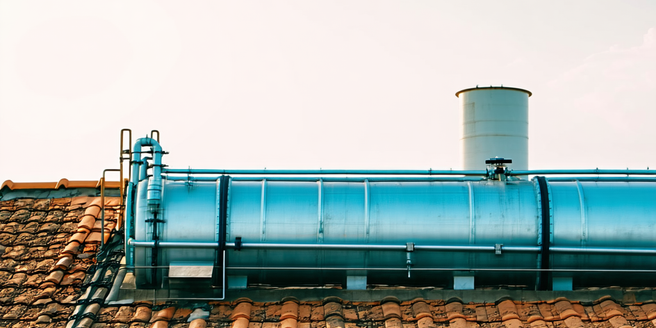
Understanding the Importance of Rainwater Harvesting in Arid Areas
Rainwater harvesting is crucial in arid regions, where water scarcity often poses significant challenges to communities and ecosystems. Harvesting rainwater entails collecting and storing rain, typically from rooftops, which can then be used for various domestic, agricultural, and industrial purposes. This practice not only provides an alternative water source during droughts but also helps reduce erosion and flooding by managing stormwater runoff. In arid areas, where groundwater and surface water resources are limited, relying on rainwater can decrease dependency on these overstressed supplies. Additionally, enhancing local water security supports sustainable agriculture, supports livelihoods, and maintains the natural balance of local ecosystems. As climate change increases water stress in many regions, implementing efficient rainwater harvesting systems becomes even more vital.
Traditional Techniques for Collecting Rainwater in Dry Climates
In dry climates, traditional rainwater harvesting techniques have been integral to water conservation for centuries. One common method involves using rooftops to channel rainwater into storage systems. These surfaces, often made from materials like clay tiles or metal sheets, direct water through gutters into tanks. Earth-based storage, such as underground cisterns and ponds lined with impervious layers, are also traditional methods, enabling communities to collect and store rainwater for extended periods. In regions with seasonal rainfall, these techniques optimize water use throughout the year. Other methods include constructing contour bunds and check dams to capture and percolate rainwater into the ground, which aids groundwater recharge. Understanding and preserving these age-old practices is essential in promoting sustainable water management in areas prone to drought.
Innovative Rainwater Harvesting Systems for Modern Homes
Modern homes are incorporating innovative rainwater harvesting systems to improve efficiency and adapt to urban settings. Techniques like smart rainwater management systems allow homeowners to monitor and control water storage and usage through mobile apps. Moreover, systems equipped with filtration units ensure that collected water is potably safe for household use. Modular water tanks offer customizable storage options that fit various home spaces, ensuring no space is wasted. Green roofs and pervious pavements contribute to rainwater collection by absorbing rain and reducing runoff. Additionally, integrating solar-powered pumps with rainwater harvesting systems minimizes energy consumption, making these setups more sustainable. Embracing technology in rainwater harvesting not only enhances water conservation efforts but also allows homeowners to contribute positively to environmental sustainability.
Designing Efficient Storage Solutions for Captured Rainwater
Designing efficient storage solutions for captured rainwater is paramount for maximizing resource utilization in dry regions. The key aspect is choosing the right material for the storage tanks, such as polyethylene or concrete, which are durable and resistant to weather conditions. Sizing the storage capacity appropriately is crucial, based on the local rainfall pattern and household or agricultural demands. Above-ground and underground options offer flexibility in installation based on space availability. Ensuring proper filtration systems prevent contamination of stored rainwater, maintaining its quality. Integrating overflow mechanisms is vital to prevent water wastage during heavy rains. Regular maintenance and inspection of tanks, valves, and pipes are essential to ensure the long-term functionality of the system. These considerations enable communities to store rainwater efficiently, thereby securing their water needs.
Implementing Sustainable Water Management Practices in Drought-Prone Regions
Implementing sustainable water management practices in drought-prone regions is crucial for preserving water resources and ensuring their longevity. Key strategies involve enhancing water use efficiency in agriculture through techniques like drip irrigation, which minimizes water loss. Better crop selection and rotation can also optimize water use. Promoting community-based water management, where local users collectively make decisions about water use and allocation, ensures that resources are managed justly and sustainably. Raising awareness and providing training about water-saving technologies empower individuals to adopt best practices. Additionally, protecting and restoring natural ecosystems like wetlands can support groundwater recharge and improve the overall health of watersheds. Such comprehensive approaches not only address immediate water scarcity issues but also contribute to long-term resilience against climate variability.