
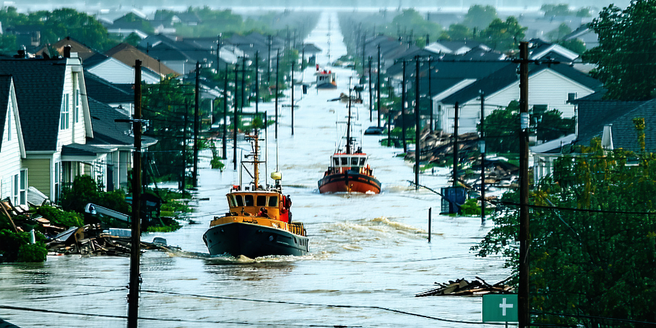
Understanding the Psychological Impact of Weather Disasters
Weather disasters can lead to profound psychological effects, manifesting as trauma or stress-related disorders. The sudden and unpredictable nature of these events can shatter one’s sense of safety and control. Individuals might experience anxiety, depression, or PTSD long after the physical damage has been addressed. Affected populations often grapple with loss of property, loved ones, and a disrupted sense of normalcy. The psychological scars can be deep, affecting daily functioning and overall wellbeing. Recovery requires addressing the emotional aftermath, yet these needs often remain unmet amidst the focus on physical rebuilding. Recognizing and validating these emotional challenges is essential in offering comprehensive disaster relief. Support systems, including counseling and community programs, play a critical role in aiding psychological recovery, helping individuals to process their emotions and find resilience.
Identifying Symptoms of Post-Traumatic Stress Disorder
Recognizing the symptoms of Post-Traumatic Stress Disorder (PTSD) is crucial for timely intervention and recovery. Individuals with PTSD may experience recurring, intrusive memories or flashbacks of the traumatic event, leading to emotional distress. They might avoid places, people, or activities that remind them of the trauma, creating significant lifestyle restrictions. Sleep disturbances, such as insomnia or nightmares, are also common, along with negative changes in mood and cognition, such as heightened anxiety, irritability, or depression. Hyperarousal symptoms, including an exaggerated startle response or difficulty concentrating, are indicators of underlying stress. It’s important to note that these symptoms may not appear immediately following the trauma; they can surface months or even years later. Early diagnosis and intervention are key in managing PTSD, ensuring those affected receive the appropriate therapeutic support to aid their recovery.
Case Studies: Personal Stories of Overcoming Trauma
Personal stories of overcoming trauma highlight the resilience of human spirit amidst adversity. Consider Sarah, who survived a devastating hurricane, losing her home and community overnight. Initially overwhelmed by grief and despair, Sarah found solace in the stories of others who shared similar experiences. Through a local support group, she connected with survivors, fostering a sense of understanding and solidarity. These connections proved pivotal, as Sarah began to rebuild her life, channeling her energy into advocating for disaster preparedness and mental health awareness. Another testament to resilience is James, a wildfire survivor. Confronted with the loss of his family business, James faced severe depression. However, through therapeutic interventions and community programs, he gradually restored his mental health, eventually starting a non-profit to support other survivors. These narratives underscore the importance of support, therapy, and community in overcoming trauma.
Strategies for Coping with Emotional Distress
Coping with emotional distress after a weather disaster requires proactive strategies and support. Engaging in self-care can be a crucial first step, ensuring that physical needs such as sleep, nutrition, and exercise are met. Mindfulness and relaxation techniques, like deep breathing exercises or meditation, can help calm the mind and reduce anxiety. Connecting with loved ones and participating in community activities can provide emotional support and reduce the feeling of isolation. Professional counseling or therapy offers a safe space to process emotions and develop coping mechanisms. Journaling or engaging in creative outlets can aid in expressing and managing feelings. It’s important to acknowledge that healing is a gradual process, and seeking professional help is a strength, not a weakness. By utilizing these strategies, individuals can begin to navigate their emotional distress, finding new paths toward resilience and recovery.
The Role of Community Support in Recovery
Community support plays a pivotal role in the recovery process following weather disasters. As individuals grapple with the aftermath, the collective strength found within communities can provide a vital lifeline. Local groups, charities, and volunteer organizations often offer resources, from basic necessities to emotional support services. These networks help foster a sense of belonging and shared purpose, encouraging affected individuals to come together in mutual support. Supportive community environments can promote healing by providing safe spaces for sharing experiences and coping strategies. Furthermore, community involvement in recovery efforts, such as rebuilding neighborhoods or organizing mental health workshops, can empower individuals, instilling hope and resilience. Encouraging active participation in communal activities not only aids personal recovery but strengthens the community’s overall capacity to withstand future adversities, ensuring a more robust and supportive network for all members.