
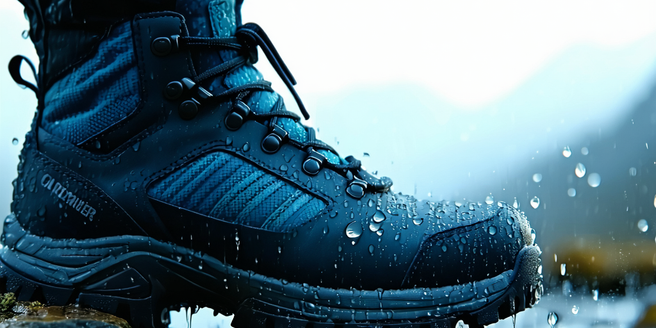
Understanding the Impact of Moisture on Gear Performance
Moisture significantly affects gear performance, particularly in cold conditions where it can freeze, adding weight and causing damage. The trapped moisture diminishes thermal insulation, leading to rapid cooling. This compromises comfort and safety, as cold gear can cause hypothermia. Moisture also accelerates wear and corrosion. Effective moisture management prevents these issues by maintaining gear functionality. Choosing breathable materials that wick away sweat and prevent external moisture penetration is crucial. Gears like footwear and gloves are particularly susceptible as they are often exposed directly to snow and ice. Moisture also fosters bacterial and mold growth, resulting in unpleasant odors and potential skin issues. Regular drying and proper storage are essential to preventing these adverse effects and ensuring long-term gear performance.
Choosing the Right Materials to Resist Cold and Moisture
Selecting the right materials for outdoor gear is pivotal when preparing for cold and moist environments. Waterproof and water-resistant fabrics are commonly used, but breathability is equally vital. Membranes like Gore-Tex offer both protection against moisture and breathability, allowing sweat to escape while preventing water ingress. Synthetic insulations like PrimaLoft maintain warmth even when wet, unlike traditional down which loses its insulating properties. Additionally, wool is a natural option that wicks moisture away from the body while providing warmth. Material durability is equally important, ensuring they withstand harsh conditions without deterioration. Seams and zippers should also be treated or designed to resist water entry. The right materials create a protective shield, ensuring outdoor gear remains effective in keeping users dry and warm amid challenging climates.
Best Practices for Drying and Storing Gear in Cold Conditions
Proper drying and storage of gear are essential to maintain its integrity and performance in cold environments. After exposure to moisture, prompt drying is imperative. Utilize heat sources like campfires or portable heaters with caution, maintaining a safe distance to avoid damage. Air drying in a well-ventilated space is often the best approach, allowing moisture to evaporate naturally. Before long-term storage, ensure gear is completely dry to prevent mildew and material degradation. Use breathable storage containers or bags to keep gear dry while stored. Avoid compacting insulation too tightly to maintain loft and warmth. Storing in a cool, dry space prevents mold and preserves the material’s quality. Regular inspection and cleaning before and after storage will further ensure readiness for the next adventure.
Innovative Technologies for Moisture Management in Extreme Cold
Technological advancements have revolutionized moisture management in extreme cold conditions. Modern fabric technologies, including advanced membranes like eVent and Sympatex, provide superior moisture barriers with enhanced breathability. These technologies help in maintaining optimal thermal conditions by allowing perspiration to escape without compromising waterproof integrity. Hydrophobic treatments, applied to fabrics, cause water to bead off the surface, minimizing absorption. Some garments feature integrated electric heating elements powered by lightweight, rechargeable batteries, offering additional warmth and moisture prevention. Advanced moisture-wicking textiles with capillary action technology rapidly disperse sweat, aiding in quicker evaporation. Technology-driven solutions not only improve comfort but also enhance safety by maintaining dry conditions that reduce the risk of hypothermia and frostbite. Selecting gear that incorporates these innovations ensures better protection and comfort in the harshest cold environments.
Effective Maintenance Tips to Prolong Gear Lifespan
Proper gear maintenance extends its lifespan, ensuring reliable performance in cold environments. After each use, clean gear to remove dirt and moisture, which can degrade materials over time. For fabric surfaces, use a gentle wash with suds designed for technical gear. Reapply any water-repellent treatments regularly to restore waterproofing capabilities. Inspect gear for damages such as tears or worn-out components and repair them promptly to prevent further deterioration. Store gear in a cool, dry place, and avoid prolonged exposure to direct sunlight during storage, which can cause material fading and weakening. Regular inspections are vital; check seams, zippers, and closures for functionality and integrity. By implementing consistent maintenance practices, you preserve the gear’s protective features, ensuring safety and comfort through continued use in challenging conditions.