
Understanding Weather Elements in Photography
Capturing urban landscapes is greatly influenced by weather conditions. Photographers need to understand the impact of various weather elements, such as light, wind, and precipitation, to enhance their work. For instance, early morning light offers a warm hue, while midday sun can cause harsh shadows. Wind requires stability techniques to avoid blurriness. Each weather condition presents unique challenges and opportunities, encouraging photographers to adapt their techniques. Preparing for diverse conditions by checking weather forecasts and carrying the right gear can ensure photographers capture the perfect shot. By mastering these elements, photographers can elevate their images from ordinary to extraordinary, truly conveying the essence of the urban environment.
Capturing Urban Landscapes in Rainy Conditions
Rainy conditions can offer unique photographic opportunities often overlooked. The wet surfaces create reflections that add depth and complexity to urban scenes. Instead of avoiding the rain, photographers should embrace it with waterproof equipment and artistic vision. Reflections on streets, puddles, and glass surfaces can transform mundane settings into captivating visuals. Shooting during or after rainfall provides a chance to capture vivid colors and dynamic transformations as the rain alters the urban texture. Utilizing umbrellas as props or incorporating the movement of raindrops can add a storytelling element. Additionally, post-production techniques can enhance or minimize rain effects, providing flexibility in the final output.
Harnessing Sunlight for Dynamic Cityscapes
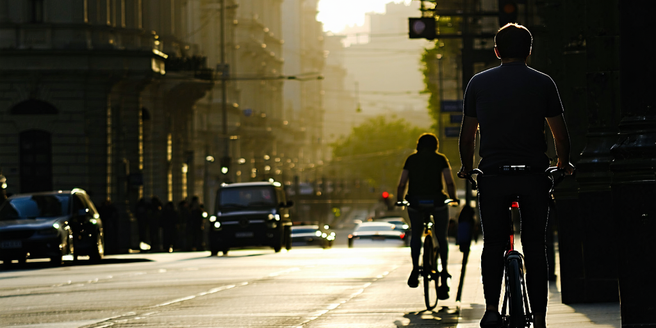
Sunlight is an indispensable element in photography, and harnessing it can transform urban landscapes into dynamic masterpieces. The golden hours, shortly after sunrise and before sunset, provide the best opportunities to capture warm hues and soft shadows. Photographers can use backlighting to create silhouettes or emphasize architectural details. Understanding how sunlight interacts with the city’s architecture and natural elements allows for creative compositions. Timing is crucial; the changing angle and intensity of sunlight throughout the day can dramatically alter a scene. By experimenting with different exposures, photographers can achieve a broad tonal range and play with contrasts, enhancing the visual impact.
Fog and Mist: Creating Mood in Urban Photos
Fog and mist offer excellent opportunities to infuse mood and mystery into urban photography. These conditions can simplify scenes, softening harsh lines and creating a sense of depth with layers. They provide a natural diffusion of light, resulting in a soft aesthetic that enhances contrasts between subjects and foreboding backgrounds. Using a tripod to maintain stability in low light or longer exposures can amplify the effect. Composing shots with leading lines or focusing on silhouettes can emphasize the mysterious atmosphere, while post-processing can accentuate the ethereal qualities of fog and mist. Embracing these elements can elevate urban photography to an almost cinematic experience.
Snow and Ice: Winter Wonderland in Cities
Winter provides a magical backdrop for urban photography, with snow and ice transforming cityscapes into stunning wonderlands. The pristine white of fresh snow offers excellent contrast with urban structures, revealing lines and forms that might otherwise be overlooked. Capturing snowfall in action can add dynamism to images, while morning light can create mesmerizing shadows across snow-laden surfaces. The reflective nature of ice can introduce a new dimension, offering unique perspectives through reflective compositions. Adequate preparation, including protective gear for the camera and warm clothing for the photographer, is essential for enduring these cold conditions to capture the fleeting beauty of winter.
Adapting to Windy Days: Tips for Steady Shots
Windy days pose challenges for urban photographers, often leading to camera shake and blurred images. To counter this, using a tripod with a heavy base or attaching a weight can provide necessary stability. Shutter speed settings should be adjusted to compensate for movement, capturing crisp images despite gusts. Additionally, utilizing natural windbreaks such as buildings or trees can offer protection. Holding the lens close to stationary objects may use them as anchors. Encrypting these strategies within one’s shooting process will reduce the chances of blurred images, turning obstacles into opportunities to capture motion creatively, whether it’s swaying trees or airborne elements.