
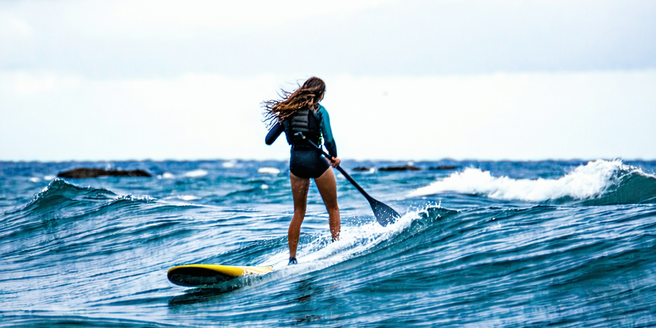
Understanding the Challenges of Paddleboarding in Varied Conditions
Paddleboarding in varied conditions can be thrilling yet daunting. Wind, waves, and water currents present unique challenges requiring skill, attention, and adaptability. The unpredictable nature of open waters necessitates a solid understanding of how to maintain balance and respond to sudden changes. Beginners should be cautious and start in calm conditions to build foundational skills. Experienced paddlers often use these environments to test and hone their abilities. Preparing for varied conditions involves being aware of weather patterns, understanding water dynamics, and continuously practicing maneuvers that enhance stability on the board. Ultimately, the ability to read the water and anticipate natural changes becomes invaluable, ensuring both safety and an adventurous experience.
Essential Gear for Safety and Stability on Unsteady Waters
Having the right gear is crucial for paddleboarding in unsteady waters. A leash is essential to ensure you stay connected to your board if you fall. Life vests enhance safety by providing buoyancy, especially important in turbulent conditions. The choice of paddle is also vital; having an adjustable paddle suited to your height and paddling style can make a significant difference. Non-slip footwear offers grip and protection, while a wetsuit or drysuit provides insulation against cold. Carrying a waterproof bag is useful for keeping essentials dry. Importantly, a whistle or signaling device can alert others in case of an emergency. Equipping yourself adequately not only boosts confidence but also ensures stability and safety as you navigate through challenging waters.
Techniques for Navigating Through Rough Waters
Navigating rough waters requires both skill and strategy. Proper stance and posture—feet shoulder-width apart and knees slightly bent—help maintain balance. Keeping a low center of gravity is essential for stability. Use your core muscles to paddle, maintaining a rhythm that matches the movement of the water. When facing waves, adopt a perpendicular approach to minimize impact and maintain control. Practice bracing techniques to prevent falls, and learn to shift your weight effectively. Understanding how to use currents to your advantage can also improve efficiency. Training in different water conditions enhances adaptability, helping paddlers remain calm and focused. With practice, these techniques will allow you to handle tougher challenges with greater assurance.
Importance of Weather Forecasts and Water Conditions
Being informed about weather forecasts and water conditions is critical for safe paddleboarding. Weather can change rapidly, affecting wind speed, wave height, and current strength. Checking forecasts before and during a session helps anticipate these changes. Recognizing signs of deteriorating weather, such as darkening clouds or sudden temperature drops, allows for timely decisions. Understanding tide schedules and water flow patterns is equally important, as these can significantly impact paddling conditions. Reliable apps and weather stations provide real-time updates, but it’s also essential to develop personal skills in observing and interpreting natural signs. Staying informed ensures that paddlers can make educated choices and adjust plans accordingly, prioritizing safety above all.
Tips for Building Confidence in Unpredictable Environments
Developing confidence in unpredictable environments comes with experience and preparation. Start by practicing in controlled conditions to build foundational skills. Gradual exposure to more challenging settings helps acclimate the body and mind. Emphasize safety by understanding emergency procedures and having a communication plan. Becoming familiar with your equipment through frequent use also boosts assurance. Visualizing scenarios and planning responses to potential challenges can mentally prepare you. Paddle with more experienced companions who can offer guidance and support. Celebrate progress and learn from each experience, slowly stretching comfort zones. A growth mindset and willingness to adapt pave the way for greater self-assurance on the water.
Inspiring Stories from Paddleboarders in Challenging Waters
Paddleboarding in challenging waters offers stories of courage and perseverance. Enthusiasts recount tales of overcoming fears and mastering the art of balance amidst adversity. These narratives often highlight a journey of personal growth where nature becomes both an instructor and a thrill provider. Many have shared how facing the unknown has taught them patience, resilience, and respect for natural forces. Some stories involve navigating through adversity, such as unexpected storms or currents, each highlighting the importance of preparation and adaptability. Listening to these experiences can be inspiring, motivating newcomers to push boundaries safely and learning from others’ trials and triumphs. Such stories reinforce the spirit of exploration and the joy of conquering nature’s hurdles.