
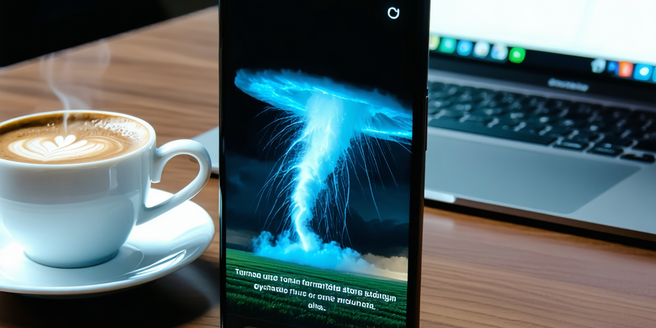
Understanding Weather Alert Systems
Weather alert systems are crucial in predicting and communicating severe weather information to the public, minimizing harm and enhancing preparedness. These systems gather data from various sources, including satellites, radars, and sensors, to offer real-time updates. Developing a basic understanding of how these systems operate can empower users to make informed decisions during weather emergencies. Weather alert systems rely on accurate data collection and analysis to generate warnings about impending conditions like thunderstorms, tornadoes, or hurricanes. These alerts can be disseminated through multiple channels, such as mobile applications, delivering information right to users’ hands. By grasping the technology’s underpinning mechanisms, users can better appreciate the necessity of heeding these alerts and taking requisite steps to ensure their safety and that of their community. Awareness and readiness are key components in the effective use of weather alert systems.
Integrating Weather Data into Mobile Apps
Integrating weather data into mobile apps requires meticulous planning and precise execution, ensuring users receive reliable and real-time information. This integration can be accomplished by utilizing APIs from established weather data providers, allowing developers to incorporate current weather conditions, forecasts, and alerts seamlessly into their applications. Enhancements such as geolocation capabilities can personalize the user experience, offering localized forecasts and relevant notifications. Developers must also consider the app’s user interface design, presenting data in a comprehensible and visually appealing manner to enhance user engagement. Furthermore, ensuring that the data updates in real-time is imperative for maintaining user trust and providing timely alerts. Additionally, by utilizing modern data processing techniques, apps can deliver predictive analytics, offering users anticipatory insights into forthcoming weather conditions. Successfully integrating weather data not only enriches the app’s features but also solidifies its value to users.
Real-Time Notifications: Keeping Users Informed
Real-time notifications in weather apps are vital for keeping users informed about sudden weather changes, ensuring they can take timely actions to avoid potential hazards. These notifications are typically push-based, ensuring immediate delivery even when the app is not actively being used. To achieve this, apps must efficiently manage data streams and condense relevant information into concise alerts that are clear and actionable. Personalization options can enhance user experience by allowing individuals to select the types of alerts they want to receive, such as severe weather warnings or daily forecasts, tailored to their locations. Technology advancements, including machine learning and data analytics, enable more precise notifications by analyzing vast datasets to predict weather patterns and anomalies. This capability enhances user safety and preparedness. Balancing notification frequency and relevancy is vital to prevent alert fatigue, ensuring users remain engaged and responsive.
User-Friendly Features in Weather Apps
Ensuring that weather apps incorporate user-friendly features is essential for engaging and retaining users. A well-designed app starts with a simple, intuitive interface that allows users to find and interpret information quickly without overwhelming them with excess data. Customizable settings can enable users to personalize the app to suit their preferences, such as selecting measurement units or the types of alerts they wish to receive. Accessible design considerations, including visually contrasting text or voice alerts for visually impaired users, ensure the app caters to a broader audience. Incorporating interactive maps and visuals, such as radar animations or hourly forecast graphs, enrich the user experience and present data dynamically. To keep users engaged, offering useful tools like weather compasses, UV index trackers, or pollen count indicators can provide daily utility beyond basic forecasts. These user-friendly features make weather apps invaluable companions in everyday life.
Future Trends in Mobile Weather Alerts
The future of mobile weather alerts is poised for exciting innovations, driven by technological advancements and changing user expectations. One emerging trend is the incorporation of artificial intelligence and machine learning to improve forecast accuracy and personalize user experiences further. Virtual and augmented reality may revolutionize how users visualize weather conditions, providing immersive experiences that can depict impending weather changes or simulate hazardous conditions for educational purposes. Additionally, the integration of Internet of Things (IoT) devices offers prospects for hyper-local forecasts, utilizing data collected from smart home devices or wearables to deliver precision alerts directly to users. As environmental concerns grow, weather apps may also play a role in climate change awareness, informing users about sustainable practices or providing alerts about air quality. Observing these developing trends affirms that the future of weather alerts is not just about safety, but also about enhancing user interaction and environmental consciousness.