
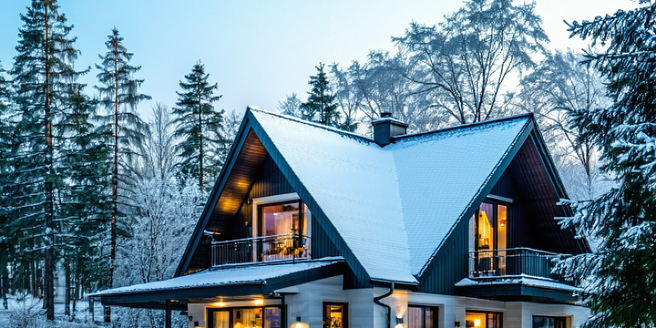
Understanding the Importance of Insulation in Cold Climates
Insulation is crucial in cold climates as it acts as a barrier to heat flow, keeping homes warm and energy-efficient. Without adequate insulation, up to 30% of a home’s heating energy is lost through the walls, floors, and roof. This not only increases utility bills but also contributes to climate change by boosting demand for energy production, mostly from fossil fuels. A well-insulated home provides comfort, reduces energy consumption, and minimizes environmental impact. Proper insulation can save homeowners money and create a more sustainable living environment, emphasizing why understanding and implementing effective insulation techniques is essential in colder regions.
How to Choose the Right Insulation Material
Choosing the right insulation material depends on several factors, including climate, the area of application, and budget. Common materials include fiberglass, cellulose, foam board, and spray foam. Each type has its advantages; for example, fiberglass is widely used due to its affordability and ease of installation, while spray foam offers excellent air sealing. Consider the R-value, which measures thermal resistance, to ensure the material provides adequate insulation. Furthermore, evaluate the material’s environmental impact and any health concerns. Consulting with a professional can help in selecting the best option for your specific needs, ensuring efficient and effective home insulation.
Installing Insulation in Walls and Attics
Proper installation of insulation in walls and attics is crucial for maximizing efficiency. Before beginning, assess existing insulation and determine if a full replacement or additional layers are necessary. For walls, blowing in loose-fill insulation can effectively fill gaps, while batt insulation is commonly used for attics. Ensure a tight fit between studs and joists to avoid thermal bridging, where heat escapes through structural components. Seal any penetrations from pipes or electrical wires to prevent air leaks. Wearing protective gear during installation is important to avoid health risks. Proper installation not only improves energy efficiency but also enhances the comfort and longevity of your home.
Sealing Gaps and Cracks for Maximum Efficiency
Sealing gaps and cracks is a simple yet effective way to boost your home’s insulation efficiency. Even with quality insulation, small openings can significantly reduce performance by allowing drafts to enter and conditioned air to escape. Begin by inspecting areas around windows, doors, and electrical outlets for visible gaps. Use caulk for small cracks and expanding foam for larger openings. Weatherstripping is essential for sealing movable components, like doors and windows. Prioritizing these fixes not only improves insulation effectiveness but also enhances overall comfort, reduces energy bills, and increases the home’s value and sustainability.
The Role of Windows and Doors in Insulation
Windows and doors are integral to a home’s insulation strategy, as they can be major sources of heat loss. To enhance insulation, consider installing double or triple-glazed windows with low-emissivity coatings. These windows reduce heat transfer, keeping homes warm in winter and cool in summer. Additionally, installing energy-efficient window treatments, such as thermal curtains or blinds, can further minimize heat loss. Ensure that the frames are properly sealed and insulated to prevent air leaks. Similarly, for doors, choose insulated models and use weatherstripping to eliminate drafts. Regular maintenance, such as adjusting hinges and checking seals, ensures long-term insulation effectiveness, contributing to a more energy-efficient and comfortable home environment.
Maintaining and Updating Your Home’s Insulation System
Maintaining and updating your home’s insulation system is key to ongoing efficiency. Regularly inspect insulation for signs of wear, such as settling or moisture damage, which can compromise performance. Adding new layers or replacing outdated materials with higher R-value options can improve thermal resistance. Occasionally, insulation technology advances, offering better solutions that are more environmentally friendly and effective. In fact, consulting with a professional can provide insights into the most suitable insulation options for your specific needs. Keep up-to-date with these innovations and consider investing in upgrades as part of your home maintenance plan. Ensuring your insulation system is functioning optimally saves energy, reduces costs, and enhances comfort year-round.