
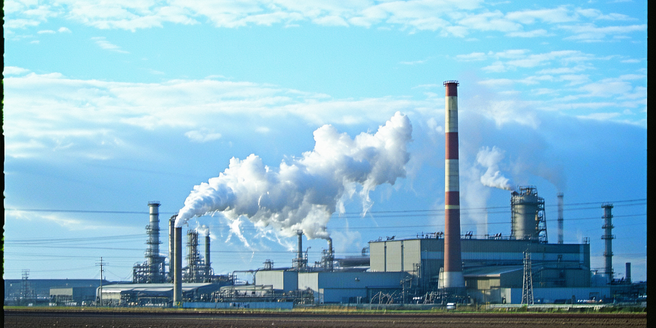
Understanding the Types of Smoke Exposure
Smoke can originate from various sources, including wildfires, industrial emissions, and household activities like cooking or smoking. Each type presents different levels of exposure and potential health effects. Wildfires generate a mixture of gases and particulates that can travel long distances, affecting populations far from the source. Industrial emissions may contain specific chemicals that contribute to air pollution and pose health risks. Household smoke, such as secondhand tobacco smoke, is a well-known health hazard. Each exposure type can vary in intensity, frequency, and duration, influencing their health impacts. Being aware of these differences is crucial for understanding the potential risks and formulating effective preventive measures to protect one’s mental and physical health.
The Chemical Components of Smoke and Their Mental Effects
Smoke is composed of numerous chemical compounds, many of which can have adverse effects on mental health. These include carbon monoxide, benzene, formaldehyde, and particulate matter, each posing unique risks. Carbon monoxide can lead to dizziness and cognitive impairment due to reduced oxygen delivery to the brain. Benzene and formaldehyde, both toxic chemicals, are associated with anxiety and depressive symptoms when inhaled over time. Furthermore, fine particulate matter can penetrate deep into the lungs, entering the bloodstream and potentially affecting the nervous system. The complexity of smoke’s chemical makeup highlights the need for comprehensive studies to fully understand the scope of its mental health implications and to develop strategies to mitigate these effects.
Short-term Psychological Impacts of Smoke Inhalation
Exposure to smoke, even for short periods, can trigger immediate psychological effects. People often report increased anxiety levels, panic attacks, or heightened stress responses during and after exposure. The presence of smoke can also impair cognitive functions, leading to difficulties in concentration and memory. These effects can result from the body’s reaction to inhaled toxins or from the experience of being in a hazardous environment. The sense of threat and the need to escape can exacerbate these mental responses. Understanding these short-term impacts is crucial for informing emergency response strategies and providing support to affected individuals in managing these psychological challenges efficiently.
Long-term Mental Health Risks Associated with Smoke Exposure
Chronic exposure to smoke can lead to significant long-term mental health issues. Prolonged inhalation of harmful particles and chemicals present in smoke is linked to an increased risk of developing chronic anxiety disorders and depression. Smoke exposure has been shown to disrupt normal brain function, potentially leading to alterations in mood and emotional regulation. Over time, this disruption can contribute to more severe mental health conditions. Furthermore, continuous exposure to polluted air has been associated with cognitive decline, impacting overall mental well-being. Addressing these risks requires long-term public health strategies and interventions targeting both prevention and treatment.
The Role of Air Quality in Cognitive Functioning
Air quality plays a crucial role in cognitive health and functioning. Poor air quality, exacerbated by smoke, can impair cognitive abilities such as memory, attention, and executive function. Studies indicate that exposure to air pollutants can lead to inflammation and oxidative stress in the brain, which are linked to neurodegenerative diseases and mental health disorders. Those living in areas with persistently poor air quality often experience difficulties in learning and memory retention. Improving air quality through policy changes and personal protective measures can help mitigate these negative cognitive effects, enhancing overall mental clarity and health.
Strategies for Mitigating Smoke-induced Mental Health Issues
To address mental health issues induced by smoke exposure, it’s crucial to implement effective strategies. Public policy initiatives that focus on reducing emissions and improving air quality can make a significant difference. On a personal level, individuals can use air purifiers or wear protective masks during high pollution periods. Developing emergency preparedness plans can help reduce anxiety and stress associated with smoke events. Mental health support should also be readily available for those affected, with counseling services and support groups playing a key role. Educating communities on coping mechanisms and resilience strategies can empower individuals to manage stress better during smoke-related incidents.