
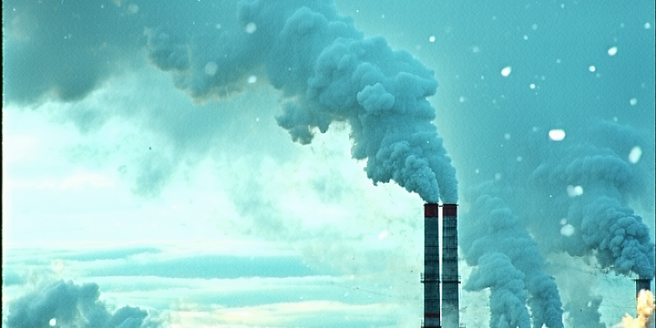
The Impact of Industrial Emissions on Snowfall Trends
Industrial emissions, primarily from factories and power plants, have significantly influenced snowfall patterns in recent decades. These emissions release particles and chemicals into the atmosphere that can alter cloud formation and precipitation dynamics. As pollutants interact with clouds, they impact the nucleation process, affecting the size and type of snowflakes produced. Additionally, the increased presence of aerosols can lead to more localized and intense snowfall events, but in some regions, it may reduce overall snowfall amounts due to changes in atmospheric temperatures. This complex interaction suggests that industrial regions might experience more unpredictable winter weather patterns, complicating weather prediction and water resource management. Understanding these trends is crucial for adapting urban planning and infrastructure to mitigate potential disruptions related to altered snowfall patterns.
Urban Heat Islands and Their Influence on Local Climates
Urban heat islands, created by large concentrations of buildings and asphalt, significantly influence local weather patterns by raising temperatures compared to surrounding rural areas. This temperature disparity affects snowfall and ice formation, often leading to reduced snowfall in cities and altered melting rates of ice and snow. The increased surface temperatures can also lead to more rain than snow in areas that traditionally experience snowfall, impacting water resources and drainage systems. Furthermore, urban heat islands can exacerbate the effects of heatwaves, increasing energy use for cooling and wearing down infrastructure designed for cooler climates. Addressing urban planning and increasing green spaces can mitigate the adverse effects of heat islands on local weather conditions, ensuring urban areas remain habitable as climate change progresses.
How Vehicle Exhaust Contributes to Changing Winter Storms
Vehicle exhaust emits a variety of pollutants, including carbon monoxide, nitrogen oxides, and volatile organic compounds, which contribute to changes in winter weather patterns. These pollutants can affect atmospheric conditions by altering temperatures, affecting cloud chemistry and influencing precipitation types. The accumulation of these pollutants, particularly in densely populated urban areas, can lead to the formation of dense fogs and increased cloud cover, ultimately modifying storm intensity and frequency. Moreover, exhaust emissions can interact with existing atmospheric conditions to cause temperature inversions, trapping pollutants near the ground and exacerbating their effects on air quality and human health. Understanding the role of vehicle emissions in altering winter storms is crucial for developing more sustainable urban transport systems and adopting policies that reduce auto emissions.
Acid Snow: The Effects of Airborne Pollutants on Precipitation
Airborne pollutants, including sulfur dioxide and nitrogen oxides, play a significant role in the formation of acid precipitation, including acid snow. This occurs when these pollutants react with water vapor in the atmosphere, resulting in acidic compounds that fall to the ground as precipitation. Acid snow can have detrimental effects on soil quality, aquatic environments, and infrastructure. It can leach essential nutrients from the soil and harm aquatic life by lowering the pH of water bodies. Additionally, acid snow also accelerates the deterioration of manmade structures and affects vegetation health. The phenomenon highlights the importance of reducing emissions from industrial, vehicular, and agricultural sources to prevent damaging environmental impacts and preserve natural ecosystems that rely on balanced precipitation chemistry.
Understanding the Role of Greenhouse Gases in Winter Climate Shifts
Greenhouse gases like carbon dioxide and methane trap heat in the Earth’s atmosphere, leading to global warming and shifts in climate patterns, including winters. Rising temperatures contribute to milder winters and less snowfall in many regions, affecting ecosystems and human activities dependent on stable winter conditions. These gases alter atmospheric circulation patterns, potentially leading to more severe winter storms in some areas while causing uncharacteristically warm spells in others. Additionally, changes in snow cover can impact albedo, further influencing regional climates. Mitigating greenhouse gas emissions is crucial for stabilizing global climate conditions and ensuring the predictable seasonality essential for agriculture, water resources, and biodiversity. Understanding these dynamics allows policymakers to craft strategies that address the long-term impacts of climate change on winter weather patterns.