
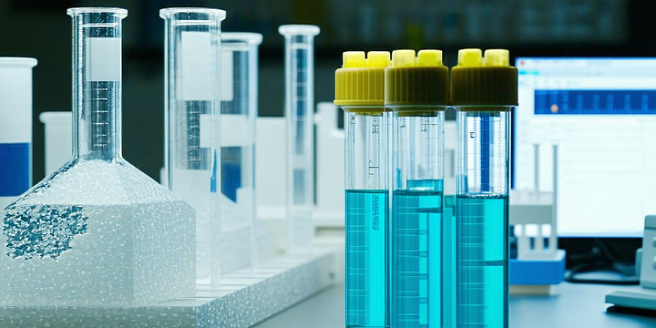
What Are Pressure Cells?
Pressure cells are crucial components used to measure the force exerted by substances in confined spaces. These devices are integral in various scientific experiments and industries such as geology, meteorology, and engineering. By understanding how pressure cells work, researchers and engineers can accurately assess pressure variations and make critical decisions in design and analysis. Typically, pressure cells employ a sensitive medium that deforms under pressure, allowing for precise measurements. They are also used in medical applications, such as monitoring blood pressure in patients. The data collected is used to understand the physical properties and behaviors of the material or environment being studied. With advancements in technology, pressure cells have become more sophisticated, offering improved accuracy and reliability in readings.
Factors Influencing Pressure Cell Variability
Several factors contribute to variability in pressure cell readings. Environmental conditions such as temperature changes, humidity, and altitude can affect pressure measurements. Material properties of the substance being measured also play a significant role, as variations in density, viscosity, and composition can lead to fluctuating results. It’s important for technicians to be aware of these potential influences and adjust their measurements accordingly. Calibration errors and mechanical wear and tear on the pressure sensor components may also introduce discrepancies. Regular maintenance and timely recalibration of equipment can mitigate some of these issues. Understanding these factors is essential for accurate readings and data analysis. Researchers must control for these variables when conducting experiments or using pressure cells in industrial applications to ensure data reliability and consistency.
Measuring and Monitoring Pressure Cells
Regular monitoring and maintenance are critical for ensuring the accuracy of pressure cell measurements. This involves routine calibration checks and inspections to detect any signs of wear or damage. Employing precise calibration methods is crucial to reduce measurement errors and maintain the integrity of the data collected. Consistently updating training for personnel involved can further enhance the reliability of pressure cell operations. Furthermore, it is imperative to adhere to industry standards for maintaining the longevity of pressure cells. Additionally, utilizing advanced monitoring systems can help track real-time pressure changes, providing valuable insights into dynamic conditions. By implementing robust measurement protocols and leveraging cutting-edge technology, researchers and industry professionals can optimize the performance of pressure cells, ensuring they deliver reliable and consistent data.
Technological Advancements in Pressure Cell Research
Recent technological advancements have significantly enhanced the functionality and precision of pressure cells. Innovations such as digital pressure sensors, improved data acquisition systems, and enhanced materials for sensor construction have contributed to better accuracy and reliability. With these tools, researchers can experiment in harsher environments with confidence. These advancements enable more precise measurements and data processing, leading to deeper insights into pressure dynamics. One of the most promising developments is the capability of pressure cells to interact seamlessly with other smart devices in a networked environment. Additionally, the integration of wireless technology and IoT has facilitated real-time data transmission, making remote monitoring of pressure cells possible. As technology progresses, pressure cells will continue to evolve, offering more comprehensive solutions for a wide range of applications.
Applications of Pressure Cells in Different Industries
Pressure cells find applications across various industries, bolstering operational efficiency and safety. In the oil and gas sector, they are used to monitor drilling operations and reservoir pressure, ensuring optimal extraction processes. In construction and civil engineering, pressure cells help assess the integrity of structures and foundations under load. The automotive industry leverages pressure cells to enhance the performance of engines and braking systems. Additionally, they are crucial in the aerospace industry for monitoring cabin pressure and aircraft structural integrity. Environmental scientists use them to study atmospheric pressure changes and weather patterns. These versatile devices also support research in geophysics, enhancing our understanding of tectonic movements and volcanic activity. As such, pressure cells play a pivotal role across diverse fields, driving innovation and safety.