
Introduction to Global Warming and Its Effects on Ecology
Global warming is a critical aspect of climate change that impacts the environment significantly. It refers to the increase in Earth’s average surface temperature due to rising levels of greenhouse gases in the atmosphere, primarily caused by human activities such as burning fossil fuels and deforestation. As temperatures rise, natural ecosystems are disturbed, resulting in altered weather patterns, melting ice caps, and rising sea levels. These changes affect the intricate balance of ecosystems, putting stress on flora and fauna. Understanding these dynamics is essential for recognizing the broader impacts of climate change and devising sustainable solutions. This increased awareness can foster a transition towards eco-friendly policies and lifestyle changes minimizing the carbon footprint and aiding in the preservation of biodiversity.
How Rising Temperatures Alter Animal Habitats
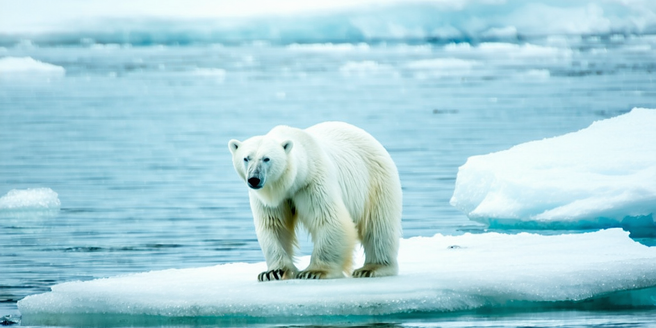
Rising global temperatures profoundly affect animal habitats by altering ecosystems and forcing species to adapt, migrate, or face extinction. As temperatures increase, delicate ecological balances in various regions are disrupted, making some areas inhospitable for native flora and fauna. For instance, polar bears depend on sea ice for hunting seals, and diminishing ice caps threaten their survival. Similarly, coral reefs, which provide shelter to numerous marine species, are suffering from bleaching due to warmer ocean temperatures. Animals adept at thriving in cold conditions are particularly vulnerable, often unable to move to cooler regions due to habitat fragmentation and human development. This shift forces species to adapt rapidly or migrate to survive, which can lead to decreased biodiversity and the destabilization of entire ecosystems.
Displacement and Migration: Animals on the Move
As a direct consequence of rising temperatures, many animal species are being forced to migrate to new habitats in search of suitable living conditions. This phenomenon is known as climate change-induced displacement. Animals that can move are shifting to higher altitudes and latitudes, where temperatures are more favorable. This migration poses numerous challenges as relocated species must adapt to different ecosystems, competing with native species for resources. Some may not survive these transitions, leading to reduced populations or local extinctions. Additionally, animals confined by borders, urban development, or natural barriers face even greater risks. Developing interconnected wildlife corridors is crucial for facilitating these movements, thereby increasing the resilience of species trying to adapt to the ever-changing climate landscape and ensuring the continuation of biodiversity.
Endangered Species and Threatened Ecosystems
Global warming poses a significant threat to both endangered species and entire ecosystems. With the rapid pace of climate change, numerous species are unable to adapt or migrate quick enough to escape its effects. Iconic species like the polar bear, already vulnerable, face shrinking habitats and dwindling food sources. Tropical rainforests, often called the planet’s lungs, are threatened by altered rainfall patterns leading to more frequent droughts and fires. These changes not just endanger specific species but also destabilize entire ecosystems, potentially causing chain reactions that affect biodiversity broadly. Conservation efforts must prioritize understanding and mitigating these impacts, aiming to preserve critical habitats and develop adaptive management strategies that protect both individual species and the ecosystems they rely on.
Conservation Efforts and Sustainable Solutions
Addressing the challenges posed by global warming requires concerted conservation efforts and the development of sustainable solutions. Protecting natural habitats and restoring degraded ecosystems play critical roles in maintaining biodiversity. International cooperation is essential to enforce policies focused on reducing carbon emissions and transitioning towards renewable energy sources. Additionally, local conservation strategies, including creating protected areas and wildlife corridors, can safeguard vulnerable species. Public awareness and education initiatives deepen understanding of climate impacts and encourage eco-friendly practices. Promoting responsible consumption and fostering innovation in green technologies enable societies to reduce their environmental footprint. Ultimately, empowering communities to participate in conservation efforts and supporting scientific research are crucial to creating resilient ecosystems capable of withstanding the pressures of global warming.