
Understanding the Impact of Hurricanes on Outdoor Furniture
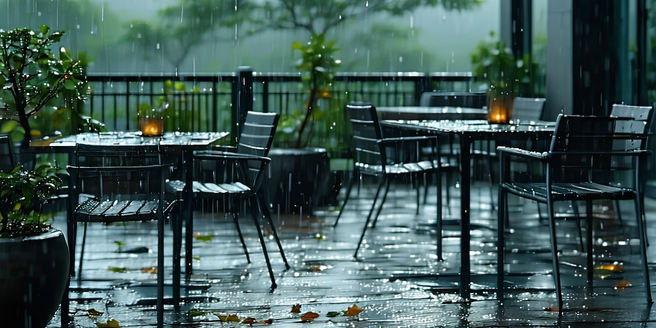
Hurricanes pose a severe threat to outdoor furniture, often resulting in significant damage or complete destruction. The high winds, heavy rain, and flying debris can lead to broken pieces, scratches, and even loss of entire furniture sets. Understanding these impacts is essential for homeowners looking to protect their investments. Over time, the constant exposure to extreme weather conditions, including hurricanes, can weaken the structural integrity of materials like wood and even metal. Cushions and fabrics can become waterlogged and moldy, leading to costly replacements. Preparing for these impacts involves selecting the right materials and taking preventive measures to ensure your outdoor setup remains intact. Awareness is the first step in mitigating hurricane-related damage, helping you preserve the longevity and appearance of your outdoor furniture.
Choosing Weather-Resistant Materials for Durability
Selecting weather-resistant materials is crucial to ensure the durability of outdoor furniture against harsh conditions. Materials like teak, stainless steel, and polyethylene wicker are known for their resilience and ability to withstand extreme weather. Teak, with its natural oils, offers an inherent resistance to water damage and pests. Stainless steel, on the other hand, provides strength and rust resistance, ideal for storm-prone areas. Polyethylene wicker combines the classic look of woven furniture with modern durability, as it resists fading, cracking, and fraying. When choosing furniture, consider UV-resistant fabrics for cushions which prevent sun damage. Investing in these robust materials can significantly extend the life of your outdoor furniture, even amid the harshest weather, offering peace of mind and protecting your finances.
Anchoring Techniques to Prevent Wind Damage
To prevent wind damage during hurricanes, effective anchoring techniques are essential for outdoor furniture. Begin by using heavy-duty straps or bungee cords to secure larger pieces to permanent structures such as decks or patios. For tables and chairs, installing ground anchors that screw into the earth can provide additional stability. Weighted bases are highly recommended for umbrellas or canopies, ensuring they do not become airborne during strong winds. Storing smaller, lighter items indoors can prevent them from turning into projectiles. Additionally, interlocking designs can be beneficial, as they hold furniture pieces together, reducing movement. Implementing these anchoring techniques can mitigate the risk of damage and enhance safety during high-wind conditions. Not only do these practices protect your furniture, but they also prevent potential property damage.
Utilizing Protective Covers and Storage Solutions
Using protective covers and incorporating smart storage solutions are effective strategies to safeguard outdoor furniture from hurricane damage. High-quality covers made from durable, waterproof materials can shield furniture from rain, wind-blown debris, and UV rays, drastically reducing wear and tear. It’s important to choose covers that fit snugly to prevent them from being blown away. Additionally, stackable or foldable furniture can be stored more efficiently during severe weather. If possible, store furniture in a garage or shed for added protection. Spray protective coatings on metal and wood to prevent rust and decay. These measures not only extend the life of your outdoor furniture but also maintain its aesthetic appeal. Investing in protective gear is a worthwhile expenditure that pays off in longevity and performance.
Incorporating Design Features for Added Stability
Incorporating specific design features can significantly enhance the stability and resilience of outdoor furniture against hurricane-level winds. Designs that include wider bases and low centers of gravity help prevent tipping over. Furniture with built-in weight compartments allows for additional ballast, providing stability during high winds. Adjustable feet can ensure that furniture remains level on uneven surfaces, reducing wobbling. Consider using clamping mechanisms for table legs and chairs to keep them secured to patios or decks. Furniture made with ventilated slats reduces wind resistance, allowing air to pass through more easily without lifting the piece. These design modifications not only prepare your outdoor furniture for severe weather events but also contribute to the overall aesthetic and functionality of your outdoor space.
Regular Maintenance to Extend Furniture Lifespan
Regular maintenance is pivotal in extending the lifespan of outdoor furniture, especially in regions prone to hurricanes. Simple actions, such as cleaning and treating materials with appropriate sealants, can greatly reduce weather-related damage. For wood furniture, annual sanding and oiling can prevent moisture absorption and warping. Metal furniture benefits from rust inhibitors, while vinyl or plastic pieces should be washed and dried regularly to avoid cracking. Inspecting the structure for any loose screws or instability allows for repairs before they become significant issues. Fabrics should be washed, dried, and stored properly when not in use. Consistent maintenance not only helps furniture withstand the elements but also ensures they remain visually appealing and functional over time, making it a cost-effective strategy for outdoor living spaces.