
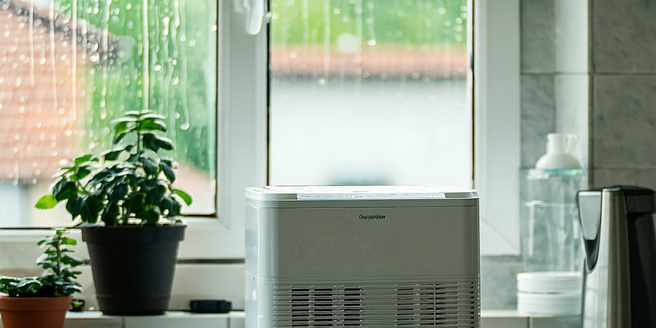
Understanding Humidity’s Role in Allergen Growth
Humidity provides the perfect breeding ground for allergens like dust mites and mold, which thrive in moist conditions. In humid climates, homes tend to trap moisture, exacerbating the growth of these allergens. Mold spores can spread rapidly in damp environments, leading to respiratory issues and allergic reactions. Dust mites also thrive when humidity levels exceed 50%, feeding on dead skin cells found in bedding and carpets. To control allergen growth, it’s essential to manage indoor humidity. Utilize dehumidifiers and ensure adequate ventilation to create a drier atmosphere. This approach not only inhibits allergen proliferation but also promotes healthier air quality for inhabitants. Regular monitoring of humidity levels can further prevent allergen accumulation and safeguard against health issues.
Practical Tips for Managing Indoor Humidity Levels
Effectively managing indoor humidity levels is crucial, especially in humid climates. First, use dehumidifiers to maintain a recommendation of 30-50% humidity. Keep windows open during cooler parts of the day to encourage airflow and reduce moisture build-up. Regularly check and repair any leaks in the roof, walls, or plumbing to prevent additional moisture from increasing humidity levels. Position furniture to avoid blocking air vents, ensuring optimal air circulation. Houseplants that absorb humidity, such as peace lilies and ferns, can further help maintain balanced moisture levels. In kitchens and bathrooms, use fans to ventilate excess steam and moisture. By implementing these strategies, you can effectively reduce humidity, diminishing the likelihood of allergen growth and enhancing overall indoor air quality.
Choosing Allergen-Resistant Materials for Your Home
When constructing or renovating a home in a humid climate, opting for allergen-resistant materials can make a significant difference. Hardwood flooring, instead of carpets, reduces dust mite habitats since carpets trap allergens. Consider using mold-resistant materials such as treated wood or composite materials. Paint walls with mold-inhibiting additives to prevent mold growth. Choose furniture and upholstery that come with built-in allergen protection or are easy to clean. Use washable curtains and blinds, and select bedding made from hypoallergenic materials like organic cotton or bamboo. These materials resist allergens, are easier to maintain, and help keep moisture at bay. Incorporating these selections in your home’s design strategy can significantly aid in reducing allergen exposure, ensuring a healthier living environment.
Effective Cleaning Practices to Minimize Allergens
Regular and thorough cleaning is paramount in minimizing allergens in humid environments. Dust frequently with microfiber cloths that trap particles rather than redistribute them. Vacuum carpets and upholstery using HEPA filters to capture minute allergens. Wash bedding and curtains in hot water weekly to eliminate dust mites and other allergens. Consider using non-toxic cleaning agents to prevent aggravating allergies while ensuring a safe environment. Clean and dehumidify in concealed spaces like closets and under furniture. Pay special attention to damp-prone areas, utilizing mold and mildew removal solutions in bathrooms and basements. Completely dry cleaned areas to prevent mold formation. By adhering to these effective cleaning routines, you minimize allergen presence while maintaining an inviting, healthy home.
Maintaining Air Quality with Smart Home Technology
Smart home technology offers innovative solutions to monitor and maintain indoor air quality in humid climates. Smart thermostats and humidifiers automatically adjust to optimal levels for reducing allergens. Air purifiers equipped with advanced filtration systems can efficiently remove pollutants, including dust, pollen, and smoke, from the air. Use air quality sensors to provide real-time data on humidity and allergen levels, allowing immediate interventions when necessary. Smart vents optimize airflow and reduce moisture accumulation—an important factor in allergen development. These technologies work cohesively to create a responsive environment that addresses potential air quality issues proactively, ensuring allergens remain minimal. By integrating smart home solutions, you can achieve a cleaner, healthier living space customized to mitigate allergen threats effectively.