
Understanding High Pressure Systems
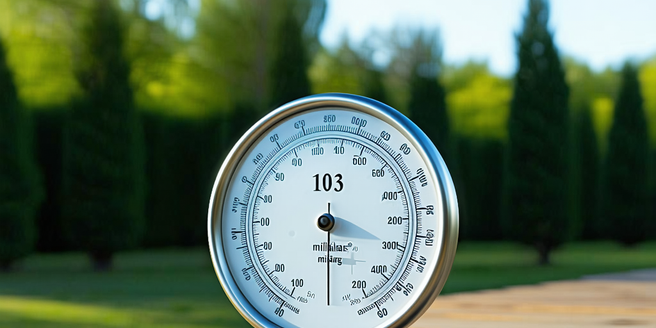
High pressure systems play a crucial role in weather patterns, often bringing clear and calm conditions. These systems are characterized by sinking air, which leads to the suppression of cloud formation. As the air descends, it warms, reducing the relative humidity and causing water vapor to evaporate, resulting in fewer clouds. High pressure systems are typically associated with light winds and dry weather, making them a dominant feature in forecasting weather changes. The presence of a high pressure system is often indicated by a barometer reading higher than 1013 millibars. These systems can cover large areas, influencing weather over vast regions for extended periods of time. Understanding the dynamics of high pressure systems is essential for meteorologists, as they significantly impact climate and local weather patterns.
Weather Patterns Associated with Sunshine
Sunshine is often linked to high pressure systems, which are associated with clear, stable weather. When a high pressure system is present, the atmospheric pressure is higher than its surrounding environment, which leads to sinking air. This descending motion inhibits the formation of clouds, allowing more sunshine to penetrate through the atmosphere. As a result, regions under the influence of a high pressure system often experience prolonged periods of sunshine. These conditions are common in anticyclones, which are often characterized by settled weather and higher temperatures during the day. The impact of sunshine under high pressure systems doesn’t just brighten our days; it also contributes to the regulation of atmospheric temperatures and evaporation rates, influencing local weather significantly. Meteorologists keep a close watch on high pressure systems to anticipate sunny spells.
How High Pressure Affects Climate
High pressure systems have a profound impact on climate patterns, influencing both local and regional weather. When a high pressure system dominates an area, it creates a climate that tends to be dry and sunny. This can alter ecosystems by influencing soil moisture content and affecting plant growth. Additionally, high pressure systems can also lead to temperature inversions, where the air near the surface is cooler than the air above. This phenomenon can trap pollutants and lead to air quality issues. On a larger scale, the position and strength of high pressure systems can shift seasonal weather patterns, affecting agriculture and water resources. Understanding how high pressure influences climate is vital for predicting long-term weather changes, assessing its impact on the environment, and helping communities prepare for potential implications.
The Science Behind Clear Skies
Clear skies are often a hallmark of high pressure systems due to the dynamics of descending air. In a high pressure system, air sinks toward the earth’s surface, warming as it compresses. This warming reduces cloud formation, as it lowers the relative humidity of the air, leading to evaporation of moisture. The lack of clouds allows for unobstructed sunlight, creating clear, blue skies. Additionally, high pressure systems tend to steer storm systems away, reinforcing stable and serene weather conditions. The science behind clear skies in high pressure systems is closely tied to atmospheric physics, involving principles of thermodynamics and fluid dynamics. These systems can be immense, covering thousands of square kilometers, affecting extensive areas and varying in their stability, depending on other meteorological factors at play.
Impact of High Pressure on Local Weather
The presence of a high pressure system can significantly affect local weather conditions, often bringing clear skies and dry weather. High pressure areas are marked by a clockwise flow of air in the Northern Hemisphere, causing lower wind speeds and suppressing precipitation. This can result in extended periods of sun, reduced cloud cover, and stable conditions. In coastal regions, this may lead to sea breezes, while inland areas may experience diurnal temperature variations, with warmer days and cooler nights. Furthermore, the stable conditions imposed by high pressure can exacerbate air pollution as stagnant air fails to disperse pollutants. Understanding the local impact of high pressure is crucial for agriculture, tourism, and urban planning, as it affects everything from crop cycles to energy consumption and even health advisory due to heatwaves.
Predicting Weather with Pressure Systems
Meteorologists rely heavily on pressure systems to predict weather patterns and anticipate changes. High pressure systems are crucial indicators of stable weather, often heralding sunny days and minimal precipitation. By analyzing pressure maps, which show isobars, forecasters can determine the strength and movement of these systems. Isobars spaced far apart on a map typically indicate weak pressure gradients and gentle winds, whereas closely packed isobars suggest stronger winds. High pressure systems can move or remain stationary for varying periods, influencing regional weather differently. By studying these patterns, meteorologists can provide forecasts for days to come, helping individuals and businesses plan ahead. With advancements in technology, the accuracy of predicting weather via pressure systems has improved, offering valuable insights into upcoming conditions and helping prepare for any potential weather events.