
Introduction to Wave Energy and Its Importance
Wave energy is a renewable energy source derived from the motion of the ocean’s surface waves. It has the potential to be a major contributor to the global energy supply, promising a more sustainable and less environmentally damaging alternative to fossil fuels. The vast and consistent nature of ocean waves offers a reliable energy source compared to other renewables that depend on more variable conditions. Harnessing this energy can significantly reduce greenhouse gas emissions and help mitigate the impacts of climate change. Additionally, coastal communities stand to benefit economically from local wave energy projects that create jobs and stimulate technological innovation. By focusing on wave energy, we can address the energy needs of a growing global population while protecting the planet for future generations.
Understanding Ocean Weather Patterns
Ocean weather patterns are complex systems influenced by a myriad of factors, including wind, temperature, and geographical features. Understanding these patterns is crucial for optimizing wave energy conversion technologies and maximizing their efficiency. Factors like wave frequency, height, and direction need to be carefully analyzed to determine the best locations for wave energy farms. Seasonal changes and extreme weather conditions can also significantly impact wave energy potential, making continuous monitoring and adaptation essential. Incorporating advanced technologies such as remote sensing and predictive modeling allows for better forecasting and management of ocean weather. A deep understanding of ocean patterns not only aids in energy extraction but also enhances navigation safety and disaster preparedness for coastal regions.
Technology Behind Wave Energy Conversion
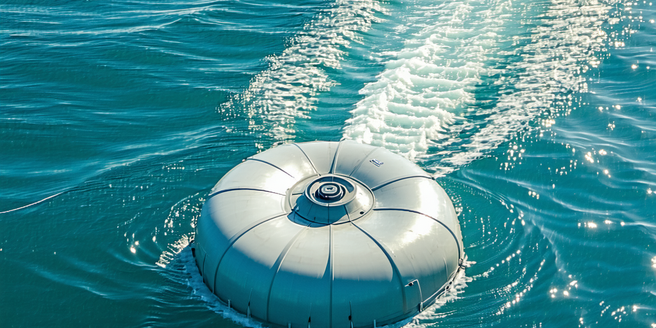
Wave energy conversion involves transforming ocean wave energy into electricity using various technologies. Among these are point absorbers, oscillating water columns, and attenuators, each designed to capture wave energy in unique ways. Point absorbers extract energy by bobbing up and down with the waves, while oscillating water columns generate power as entering waves compress air to drive turbines. Attenuators operate parallel to wave direction, flexing and converting kinetic energy. These systems are often embedded in buoys or fixed to the seabed. Innovations in materials and design continue to enhance their efficiency and durability. Integration with smart grid systems and the use of artificial intelligence for predictive maintenance further optimize wave energy conversion, promising an exciting future in clean energy.
Challenges in Harnessing Wave Energy
While wave energy offers significant promise, it presents several challenges that must be overcome. One major issue is the harsh marine environment, which can lead to the rapid deterioration of equipment. Saltwater corrosion and biofouling require robust materials and maintenance solutions, increasing costs. The variability of ocean conditions also complicates the efficient capture of energy, requiring adaptive technologies and storage solutions to ensure a steady power supply. Furthermore, integrating wave energy into existing energy grids presents logistical and regulatory hurdles. There are environmental concerns too, as wave energy devices may affect marine ecosystems and coastal landscapes. Addressing these challenges requires collaborative research efforts, supportive policies, and continued technological advancement to make wave energy a viable and sustainable energy source.
Future Prospects of Wave Energy Utilization
Despite facing obstacles, the future of wave energy utilization is promising. As technological advancements continue to drive down costs and improve efficiency, wave energy is expected to play a significant role in the renewable energy landscape. Innovative projects around the world are demonstrating its potential, pushing the boundaries of what’s possible. Countries with extensive coastlines are increasingly investing in wave energy research and infrastructure, recognizing its potential contributions to energy security and carbon reduction. Collaboration among scientists, industry leaders, and policy-makers is crucial in accelerating its adoption. As public awareness and demand for renewable energy grow, wave energy could become a cornerstone of sustainable development, offering cleaner power for a greener future. It stands as a testament to human ingenuity in the quest for more sustainable energy solutions.