
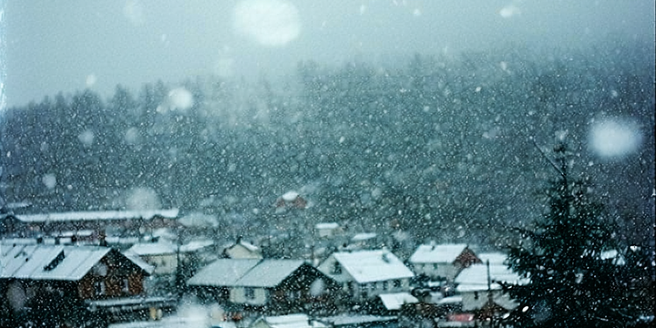
Understanding Winter Storms and Their Formation
Winter storms originate from the interaction of cold arctic air masses meeting warmer, moist air. These conditions often develop along weather fronts or low-pressure systems. As warm moist air rises over the cold air, it cools and the moisture condenses into clouds, eventually forming snowfall. The strength and size of these storms depend on several factors, including temperature gradients and atmospheric pressure. Understanding these dynamics is crucial for forecasting and preparing for potential impacts. Meteorologists utilize advanced modeling to predict storm paths and intensity, considering elements like wind speed and moisture content. Such knowledge is vital in mitigating disruptions caused by severe winter storms, ensuring that communities can effectively prepare and protect themselves from the accompanying hazards.
How Climate Change Influences Weather Patterns
Climate change is altering global weather patterns, influencing the frequency and intensity of weather events. One significant impact is on winter storms, which are becoming more erratic and intense. Rising temperatures contribute to greater moisture in the atmosphere, which can enhance precipitation levels during storms. Moreover, the melting polar ice caps and warming oceans lead to shifts in jet streams, affecting storm trajectories and development. Such changes pose challenges in predicting storm impacts and preparing for them. Understanding these influences allows for better climate modeling, helping us anticipate future changes and develop strategies to mitigate the consequences of these evolving patterns in winter storms.
Increased Intensity of Winter Storms
There is growing evidence that winter storms are intensifying due to climate change. Warmer atmospheric temperatures mean that there is more moisture available, potentially leading to heavier snowfall and more extreme weather conditions. Additionally, the rise in sea surface temperatures contributes to stronger wind patterns and shifts in storm paths, resulting in severe blizzards and icy conditions. These intensified weather events can disrupt essential services, leading to power outages and transportation gridlocks. The increased intensity of these storms underscores the importance of understanding how our changing climate fuels such extremes, highlighting the need for resilient infrastructure and adaptive measures to minimize impacts on communities.
Regional Variations in Storm Frequency
Regional variations in storm frequency are evident as climate change continues to affect global weather systems. In some areas, the frequency of winter storms is increasing, while others may experience fewer but more intense events. This disparity is driven by factors like ocean currents, atmospheric circulation patterns, and topography. Northern regions might experience more snow due to colder temperatures, whereas warmer regions may see more rainfall, altering traditional weather patterns. Understanding these regional differences is crucial for local governments to plan effectively and allocate resources for infrastructure upgrades and emergency response systems tailored to their specific storm risk profiles.
Impact on Ecosystems and Wildlife
Winter storms have profound effects on ecosystems and wildlife, with climate change exacerbating these impacts. Heavy snowfall and extreme cold can disrupt habitats, challenging the survival of plant and animal species. For instance, early snowmelt or late-season storms can affect food availability for species adapted to specific seasonal cycles. Additionally, altered precipitation patterns can lead to changes in plant growth, affecting the entire food web. The compounded stress from changing storm patterns and temperatures poses risks to biodiversity, emphasizing the necessity of strategies focused on conservation and adaptation to safeguard ecosystems and maintain ecological balance.
Adapting to Changing Winter Storm Patterns
Adapting to the changing patterns of winter storms involves a multi-faceted approach that includes improving infrastructure resilience, advancing forecasting technology, and enhancing community preparedness. Developing robust building codes and infrastructure that can withstand increased storm intensity will be vital to reduce damage. Advances in meteorological forecasting will improve the accuracy of storm predictions, allowing for timely preparations and evacuations. Community education programs emphasizing emergency readiness can greatly reduce the risks posed by severe weather. These adaptive strategies are crucial in ensuring that societies can endure and thrive despite the challenges posed by evolving winter storm patterns.