
Understanding Aerosol Concentration Dynamics
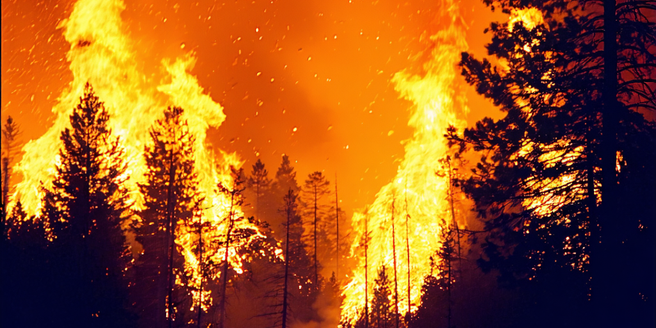
Aerosol concentration dynamics are influenced by a complex interplay of natural and human-related processes. Understanding these dynamics requires examining how particles are emitted, transformed in the atmosphere, and removed from the air. Factors such as emissions from vehicles, industrial activities, and natural sources like wildfires and volcanoes contribute to varying levels of aerosols in the atmosphere. Additionally, chemical reactions in the atmosphere can transform these particles, further influencing concentration levels. Studying these processes helps scientists and environmentalists devise strategies to control pollution and mitigate health impacts. Continuous research is necessary to build comprehensive models that predict changes in aerosol concentrations and better inform policies aiming for cleaner air, benefiting both human health and ecological systems.
The Role of Temperature in Aerosol Dispersion
Temperature plays a significant role in the dispersion of aerosols in the atmosphere. When temperatures rise, the air becomes more turbulent, causing a wider distribution of aerosol particles. This dispersion can lead to a decrease in the concentration of particles at the source while increasing their presence over a larger area. Conversely, lower temperatures might lead to the accumulation of aerosols, particularly during inversion layers where cold air traps pollutants close to the ground. Understanding these temperature-driven mechanisms is crucial, as they influence air quality measures and affect how pollutants are managed. Investigating the interplay between temperature and aerosol behavior is fundamental for developing predictive atmospheric models and improving public health outcomes.
Wind Patterns and Their Impact on Aerosol Levels
Wind patterns significantly influence aerosol concentration and distribution, playing a pivotal role in determining local and regional air quality. Strong winds facilitate the dispersal of aerosols, reducing their concentration around the emission source. Alternatively, light winds can contribute to the stagnation of air masses, leading to higher local aerosol levels. Researchers continuously study these dynamics to improve predictive models. Advanced technology and satellite data have enhanced the accuracy of these studies. Understanding how different wind patterns impact aerosol dispersal helps in forecasting pollution episodes and implementing effective air quality management strategies. Meteorologists utilize wind models to predict how aerosols will travel and disperse, providing insights for policymakers aiming to improve environmental standards and reduce the health impacts associated with poor air quality.
Humidity’s Effect on Aerosol Stability
Humidity levels significantly affect the stability and composition of aerosols in the atmosphere. High humidity can lead to the growth of hygroscopic particles, increasing their size and potentially their reflectivity, which impacts climate by altering the Earth’s radiative balance. This process is crucial in understanding how different weather patterns might influence aerosol behaviors. On the other hand, in low humidity conditions, aerosols are more likely to remain stable in size, although they could be more easily resuspended into the air by wind. Understanding how humidity influences aerosol characteristics is important for climate modeling and air quality predictions. It provides valuable insights into how to manage pollution and mitigate climatic impacts in varying humidity conditions.
Seasonal Variations in Aerosol Concentration
Aerosol concentrations often exhibit significant seasonal variations, driven by changes in natural and anthropogenic activities as well as meteorological conditions. During warmer months, increased emissions from vegetation and enhanced photochemical reactions can lead to higher aerosol levels. Additionally, human activities such as agricultural burning and increased vehicle use can contribute to these elevated levels. In contrast, winter months might see elevated concentrations due to increased use of heating and lower atmospheric mixing heights. These seasonal patterns can influence health outcomes, as some aerosols are linked to respiratory issues. Accurately characterizing these variations is vital for formulating effective public health guidelines and regulatory policies to manage air quality and mitigate adverse health impacts throughout the year.