
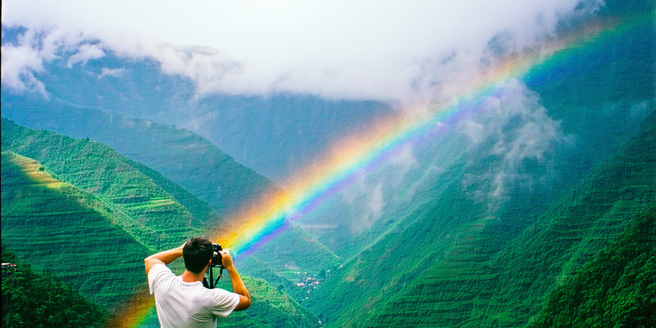
Understanding the Importance of Weather Apps for Photographers
For photographers, capturing the perfect shot often hinges on the weather. Weather apps have become an indispensable tool, offering real-time data that can make or break a photo session. From knowing the exact time of sunrise to predicting rain showers, these apps help photographers plan their shoots meticulously. Understanding cloud patterns can help landscape photographers capture dramatic skies, while accurate temperature data ensures that portrait sessions are comfortable for subjects. Weather apps also aid in safety, providing alerts on severe conditions that could pose risks. With these services, photographers can adapt to the ever-changing atmosphere, ensuring that their creative pursuits result in stunning visuals.
Key Features to Look for in a Weather App
When selecting a weather app, photographers should prioritize features that enhance their shooting experience. Look for an app with high-resolution radar imagery for detailed weather patterns, which is crucial for outdoor shoots. Real-time alerts and custom notifications keep you informed about sudden weather changes. Additionally, consider apps that offer long-term forecasts to help plan future projects. Sun path and golden hour calculators are essential for capturing optimal lighting conditions. User-friendly interfaces and offline capabilities are also advantageous, ensuring that photographers can access crucial data quickly and even in remote locations. Ultimately, the right weather app offers reliability and precision, enabling photographers to make informed decisions effortlessly.
Top Weather Apps Every Photographer Should Consider
Choosing the right weather app can greatly impact a photographer’s results. Some popular choices include Dark Sky for its hyper-local forecasts, and Weather Underground for its crowd-sourced data accuracy. For those with specific light requirements, PhotoPills provides tools for planning golden hour shots. Windy is excellent for scenic photographers seeking detailed wind forecasts. Each app has unique features that cater to different photography needs, from storm chasers to studio shooters. Ultimately, investing time in finding the right app can make all the difference in capturing that perfect moment. By leveraging the strengths of these apps, photographers can stay ahead of the weather and focus on creativity.
How Accurate Are Weather Apps for Planning Shoots?
Weather apps provide a wealth of information, but their accuracy can vary. Many apps rely on complex algorithms and data from weather stations, offering reasonably accurate forecasts. However, factors like geographical location, app type, and data source can influence precision. For critical shoots, cross-reference multiple apps to gain a comprehensive understanding of weather patterns. Be mindful that short-term forecasts are generally more reliable than long-term ones. While no app can guarantee 100% accuracy, consistent use builds familiarity with local weather behaviors, improving decision-making. Photographers should use these tools as guides, while remaining flexible and adaptable to actual weather conditions on the day of the shoot.
Leveraging Weather Data for Creative Photography
Weather data can significantly enhance the artistic aspect of photography. For instance, fog can create a mystical ambiance, while storms bring dynamic movement and tension in images. By understanding weather patterns, photographers can strategically plan shoots that incorporate these elements. Apps that provide detailed forecasts of cloud cover, temperature, and precipitation allow photographers to anticipate atmospheric conditions that best suit their vision. This proactive approach not only aids in logistical planning but also stimulates creative exploration, as photographers learn to work with, rather than against, natural elements. Embracing weather as a creative partner opens new realms of visual storytelling, transforming challenges into opportunities.
Best Practices for Using Weather Apps Effectively
Using weather apps effectively requires more than just downloading one. Familiarize yourself with its features and customize settings to receive pertinent alerts. Regular monitoring is key, as conditions can rapidly change. Integrate app insights into your planning process but remain adaptable. Consider investing in more than one app to gather diverse data perspectives. Cross-check forecasts to identify consistent trends that can inform decisions more accurately. Reflect on past experiences to interpret app data better, cultivating a sense of intuition about local weather patterns. By combining technology with on-field experience, photographers can optimize their workflow, ensuring every shoot is well-timed and thoughtfully executed.