
Understanding Weather Patterns Specific to Camp Areas
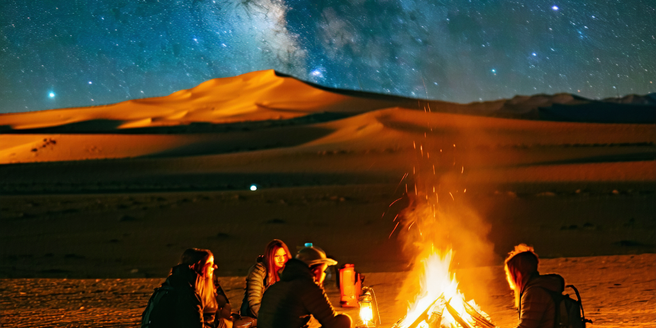
Understanding the unique weather patterns of specific camp areas is crucial for safety and preparedness. Different regions experience varying climatic conditions that can significantly affect camp activities. For instance, mountainous areas might be prone to sudden temperature drops, while coastal regions may face high humidity and storms. Additionally, desert regions can have extremely hot days followed by very cold nights. To anticipate these patterns, campers should research historical weather data and consult local forecasts before planning their trips. It’s also wise to speak with local guides or resident experts who have experienced the nuances of the area’s weather changes. By understanding the local weather dynamics, campers can better prepare and adapt their activities to stay safe.
Essential Gear and Clothing for All Weather Conditions
When camping, having the right gear and clothing for all weather conditions is essential. The right preparation can make all the difference in your comfort and safety during your outdoor adventure. The key is layering, which allows campers to adjust to temperature fluctuations throughout the day. Start with moisture-wicking base layers to keep sweat away from the skin. Insulating layers, such as fleece, can provide warmth in cooler temperatures. Waterproof and wind-resistant outer layers are critical for protecting against rain and strong winds. Don’t forget accessories like hats, gloves, and scarves for added warmth. Additionally, keeping a gear checklist can help ensure nothing is overlooked, like a reliable tent, tarps for extra protection, and sleeping bags suitable for the expected night temperatures.
Setting Up a Weather-Resilient Camp Site
Establishing a weather-resilient campsite begins with selecting the right location. Choose an area away from potential hazards like falling branches, low-lying areas prone to flooding, or exposed hilltops that attract lightning. It’s crucial to check the weather forecast before heading out. Pack appropriately with waterproof gear and clothing to ensure comfort throughout your trip. Utilize natural features to shield against wind or rain, such as a rock face or tree line. When setting up tents, ensure they are on elevated ground and secure them with strong stakes and guylines. Consider an extra tarp over the tent for enhanced water resistance. Organize the campsite to keep essentials dry and accessible, with a focus on safety and comfort regardless of the weather.
Emergency Protocols for Severe Weather Events
Being prepared for severe weather events requires a clear emergency protocol. Start by identifying potential risks specific to your location, such as thunderstorms, heavy winds, or floods. Set up a communication plan, ensuring everyone knows how to reach emergency services or contact family if needed. Stay informed with reliable weather updates through local news or dedicated weather apps. Practice regular drills to simulate scenarios like evacuation or seeking shelter. It’s crucial to have an emergency kit with first aid supplies, a flashlight, extra food, and water. Familiarize yourself with natural indicators of severe weather, like sudden changes in wind or cloud formations. Quick and informed reaction can mitigate risk and ensure safety.
Educating Camp Participants About Weather Safety
Educating camp participants about weather safety is a proactive step in ensuring overall preparedness. Begin each camp session with a briefing on the expected weather conditions and potential hazards. Incorporate engaging activities that simulate real-life weather challenges. Emphasize the importance of understanding weather patterns and their impact on outdoor activities. Teach basic survival skills, like how to build a shelter or start a fire in wet conditions. Offer workshops on first aid and include weather-related scenarios. Encourage participants to stay informed by checking forecasts regularly and recognizing warning signs of dangerous weather. Promoting a culture of awareness and responsibility can empower campers to take charge of their safety, ensuring a more enjoyable and secure camping experience.