
Preparing for Your Snowy Adventure
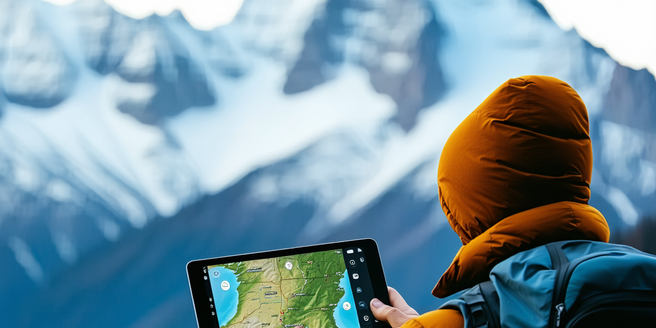
To ensure a successful snowy backpacking trip, thorough preparation is essential. Start by researching the area’s weather patterns and avalanche risks. Acquire a detailed map and compass, or a GPS device, to avoid getting lost in the whiteout. Pack high-calorie foods to sustain energy levels, and plan your route to include regular stops for hydration and rest. Before setting out, inform someone of your itinerary and expected return time. Familiarize yourself with basic snow survival skills, such as building a snow shelter or recognizing frostbite symptoms. Finally, check your backpacking gear to ensure it’s suitable for cold weather conditions. Adequate preparation not only enhances the experience but also ensures your safety.
Essential Gear for Cold Weather Backpacking
Success in cold weather backpacking hinges on having the right gear. Start with a four-season tent capable of withstanding high winds and heavy snow. Choose a sleeping bag rated for sub-zero temperatures and pair it with an insulating sleeping pad. Layering is crucial—invest in moisture-wicking base layers, insulating mid-layers, and a weatherproof outer layer. Don’t forget a sturdy pair of insulated boots and waterproof gaiters. Hand and foot warmers can be lifesavers in extreme cold, so pack extras. For cooking, a liquid fuel stove is reliable even in frigid conditions. Ensure your backpack offers ample space without sacrificing comfort, and use a rain cover to protect your gear from snow. Preparing the right gear ensures warmth and safety.
Layering Techniques to Keep You Warm
Mastering layering techniques can be the difference between comfort and peril in snowy conditions. Start with a moisture-wicking base layer to keep sweat off your skin. Next, add an insulating mid-layer, such as fleece or down, to trap body heat. Choose an outer layer that is both breathable and waterproof to protect against wind and snow. Adjust your layers throughout the day to regulate body temperature, removing a layer when active to prevent sweat accumulation and adding it back when resting to preserve warmth. Don’t forget accessories like hats, gloves, and neck gaiters, as significant heat loss occurs through the extremities. Employing proper layering techniques helps maintain a balanced body temperature and keeps you comfortable during your adventure.
Navigating Snowy Terrain Safely
Navigating through snow-covered landscapes requires skill and caution. Start by understanding the terrain through maps or GPS devices to avoid dangerous areas like thin ice or avalanche zones. Use trekking poles with snow baskets to maintain balance, and wear crampons for icy patches. Always be vigilant for signs of avalanches such as recent slides or cracks in the snow. When traveling in a group, keep a safe distance to prevent multiple burials if an avalanche occurs. Make noise or use a whistle to alert wildlife of your presence to avoid surprise encounters. Practice route-finding techniques in diverse snowy conditions to enhance your navigation skills. By taking these precautions, you ensure your safety and the safety of your fellow adventurers.
Cooking and Eating in Freezing Temperatures
Cooking in freezing temperatures presents unique challenges. Choose a liquid fuel stove, as it performs reliably in cold conditions and ensure you know how to operate it efficiently. Plan meals that are simple to prepare and require minimal cleanup, such as dehydrated meals or instant oatmeal. Bring lightweight, insulated pots and utensils to conserve heat as you cook. Consume high-calorie, nutritious foods to maintain energy levels and store extra snacks within easy reach to avoid exposing skin to the cold for long periods. Stay hydrated by melting snow, being careful to do so safely, and sip warm liquids regularly to stay warm. A well-planned approach to cooking and eating keeps you fueled and ready for each day’s adventures.
Safety Tips and Emergency Preparedness
Prioritizing safety is crucial when backpacking in snowy conditions. Always check the local avalanche forecast and understand how to recognize hazardous areas. Carry an avalanche beacon, probe, and shovel for emergencies. Having a first aid kit stocked with supplies for treating hypothermia and frostbite is essential. Practice using your equipment in safe conditions to ensure proficiency during an emergency. If traveling in a group, establish clear communication signals. Know basic first aid procedures and how to execute an emergency shelter if necessary. Keeping a charged satellite phone or personal locator beacon is wise for remote areas without cellphone coverage. By staying prepared and informed, you enhance your safety and can respond effectively to any situation that may arise.