
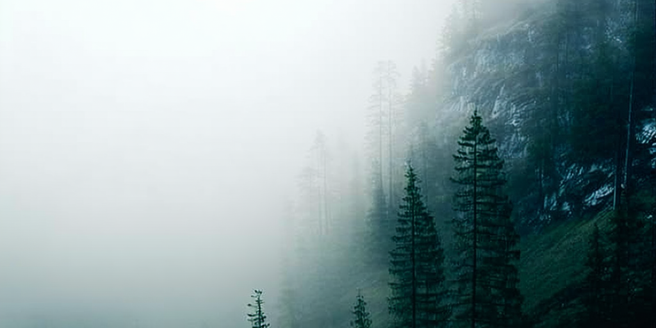
Understanding the Magic of Fog in Landscape Photography
Fog adds a layer of mystery and drama to landscape photography that is both challenging and rewarding. The diffuse lighting creates soft shadows and gentle transitions between light and dark, enhancing the textural qualities of the scene. The challenge lies in mastering the unique conditions that fog introduces. Additionally, shooting in foggy conditions can evoke an emotional response from viewers, making the photographs more impactful. Fog can simplify a composition by obscuring distracting elements, highlighting key features, and adding depth and scale. Careful observation of fog movement and patience for the right density and direction can lead to breathtaking images. Embracing the changing conditions that fog presents can yield unique and captivating images with a dreamlike quality that is difficult to replicate.
Essential Equipment for Capturing Foggy Scenes
When photographing foggy landscapes, the right equipment can make a significant difference in capturing stunning images. A sturdy tripod is essential for long exposure shots, which help capture the soft, serene quality of fog. A lens with a wide aperture allows you to shoot in low light, ensuring sharp, detailed images. Investing in high-quality equipment can significantly improve your photography outcomes. Weather sealing on camera and lenses will protect your gear from moisture. Consider experimenting with various settings to achieve the desired mood. Carrying lens cloths and waterproof bags helps maintain equipment in fluctuating conditions. Filters, like polarizers, can add contrast to diffuse scenes, while a remote trigger can minimize camera shake.
Techniques for Shooting in Low Light Conditions
Mastering low light photography is crucial when shooting in foggy conditions. Using a higher ISO can help, but be mindful of the noise it may introduce. Don’t forget to check your camera’s histogram for accurate exposure readings. To further improve your results, consider using a tripod to stabilize your camera during longer exposures. Utilize longer exposures and wider apertures to allow more light onto the sensor. Exploring silhouettes can add a striking element to low light scenes. Manual focus often yields better results in fog, allowing precise control over sharpness and depth of field. Experimenting with exposure compensation can help balance highlights and shadows, revealing subtle details that define the ethereal quality of the fog.
Composing the Perfect Shot Amidst the Mist
Fog offers an opportunity to create extraordinary compositions. Leading lines, such as pathways or fences, can draw the viewer’s eye through the mist. Foreground elements act as focal points, providing scale and interest. The eerie silence often accompanying fog can add another layer of intrigue to the scene. Balancing the composition with negative space enhances the mysterious atmosphere. Capturing such moments at different times of day can yield surprisingly diverse results. Experimenting with angles and elevation enables the capture of layers that fog creates. The softening effect can be used creatively to emphasize the mood. Patience and adaptability are key, as weather conditions and fog density can change rapidly, impacting the overall composition.
Editing Tips to Enhance Your Foggy Morning Photos
Post-processing can enhance the mood and detail in foggy morning photos. Start by adjusting the contrast to reveal subtle tonal variations. Enhancing shadows and highlights can add depth, while careful sharpening brings out the textures often muted by fog. To bring your artistic vision to life, experiment with various tools to discover what best suits your image. Consider using selective editing to draw attention to specific areas of the photo. A light vignette effect could also emphasize the central focus. Use color grading to accentuate the mood, adding warmth or cool tones to match the scene’s ambiance. Dehaze filters can increase clarity, but use sparingly to retain the ethereal quality. Cropping to improve composition or emphasize particular elements can improve the storytelling aspect of the image.