
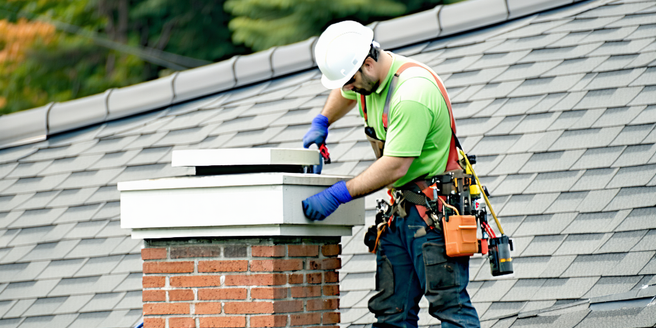
Understanding the Importance of Chimney Maintenance
Proper chimney maintenance is crucial to ensure the safety and efficiency of your fireplace during the winter months. Regular maintenance helps prevent dangerous chimney fires, which can occur when creosote builds up within the flue. This flammable substance is a byproduct of burning wood, and if left unchecked, it can ignite. Additionally, proper maintenance improves air quality by ensuring smoke and gases are safely expelled out of your home. By scheduling a professional chimney inspection and cleaning at least once a year, you can detect structural issues like cracked flue tiles or damaged chimney caps early. These preventative measures not only extend the life of your chimney but also safeguard your home and family. Stay proactive about chimney care to enjoy a warm and worry-free winter season.
Essential Chimney Maintenance Tools and Materials
Maintaining your chimney effectively requires having the right tools on hand. A sturdy chimney brush is essential for clearing away soot and creosote accumulation. These brushes come in various sizes to accommodate different chimney dimensions. In addition to a brush, a flexible extension rod will help you reach the entire length of the flue. Another invaluable tool is a flue liner scraper, designed to remove stubborn debris lining the chimney walls. Consider wearing protective gear such as gloves and goggles to prevent injuries. Furthermore, keep a flashlight handy for inspecting hard-to-see areas. Lastly, stock up on chimney cleaning logs which can help loosen deposits before manual cleaning. Armed with these tools and materials, you’ll be well-prepared to tackle regular chimney maintenance tasks.
Steps to Inspect Your Chimney for Winter
Inspecting your chimney before winter sets in is an important preventive measure. Start by examining the exterior structure for any visible damage, such as cracks, crumbling bricks, or a leaning chimney. These signs may indicate structural issues that need professional assessment. Next, check the chimney cap and crown for any cracks or wear, as they play a crucial role in keeping out rain and debris. Inside, use a flashlight to look up into the flue; note any obstructions or heavy soot buildup. If you spot birds or small animals nesting, contact a professional to remove them humanely. Test the damper to ensure it opens and closes smoothly. Finally, consider hiring a certified chimney sweep for a thorough inspection and cleaning to identify less obvious issues.
Effective Cleaning Techniques for a Safe Chimney
Cleaning your chimney regularly is vital for safety, especially before winter. Begin by closing off the fireplace opening with plastic sheeting to prevent soot from entering your home. Using a chimney brush attached to flexible rods, scrub the flue from top to bottom, ensuring all creosote and soot are dislodged. Pay particular attention to areas with heavy buildup. Vacuum or sweep out the debris at the fireplace opening. For stubborn deposits, consider using a more aggressive tool like a flue scraper. Additionally, chimney cleaning logs can be used periodically to help reduce creosote between manual cleanings. Remember to wear protective eyewear and a dust mask and ventilate the area well. These techniques contribute to maintaining a safe and efficient fireplace.
Identifying and Addressing Common Chimney Issues
Chimneys can face a range of issues, each requiring attention to maintain safety and efficiency. One frequent problem is the buildup of creosote, which can lead to chimney fires. Regular cleaning is necessary to mitigate this risk. Another issue is a faulty damper, which impairs the flow of smoke and can result in smoky interiors. Inspect and repair or replace dampers as needed. Structural damage, such as cracked bricks or mortar, can allow water penetration, leading to further deterioration. Waterproofing treatments and tuckpointing can address these issues. Also, keep an eye out for chimney cap or crown damage, which can invite unwanted pests or cause water leaks. Timely intervention and regular maintenance can help prevent these problems and ensure a well-functioning chimney system.