
Understanding the Need for Weather-proof Stockpiling
In today’s unstable climate, preparing for unforeseen events is critical. Weather-proof stockpiling ensures that families have access to essential goods when natural disasters strike. There’s a rising awareness about the impact of severe weather conditions on our food supply. Sudden floods or hurricanes can disrupt logistical chains, making it tough to access basic necessities. By understanding the importance of stockpiling, individuals can protect themselves and their loved ones from shortages. It’s not just about hoarding items, but intelligent preparation. Consideration of nutritional value, shelf life, and diversity of supplies ensures a comprehensive survival kit. Moreover, creating a resilient stockpile can provide peace of mind, knowing that you are equipped to handle emergencies and protect your family in the face of adversities.
Essential Food Items for Long-term Storage
Building a robust stockpile requires selecting foods that sustain their nutritional value over time. Prioritize non-perishable items such as canned vegetables, fruits, and proteins, as they offer extended longevity. Whole grains like rice, oats, and pasta are crucial, providing essential carbohydrates and energy. Dried foods like beans and lentils boast high protein content and are versatile for many recipes. Dehydrated meals and vacuum-sealed items help maintain freshness and are easy to store. Incorporate powdered milk and canned juices for additional nutrients. Choosing wisely means prioritizing nutrition, without sacrificing variety. Rotating your stock and checking expiration dates ensure your inventory remains viable. A diverse and well-planned food storage strategy provides security during potential disruptions, safeguarding your family’s dietary needs.
Selecting the Right Containers for Preservation
An efficient stockpiling strategy isn’t just about what you store, but how you store it. Proper packaging extends the life of your food supplies, keeping them safe from pests, humidity, and spoilage. Opt for airtight containers or vacuum-sealed bags to limit exposure to air and moisture. Glass jars serve as excellent options for smaller items, providing visibility and secure seals. Food-grade plastic buckets with gamma seal lids offer robust protection for bulk items such as grains and legumes. Consider Mylar bags for long-term storage, especially when paired with oxygen absorbers. Labeling containers with dates aids in efficient rotation. Investing in quality preservation containers ensures your stock remains fresh, accessible, and safe from contamination, forming an integral part of a reliable emergency preparedness plan.
Water Storage Solutions: Ensuring Safe Supply
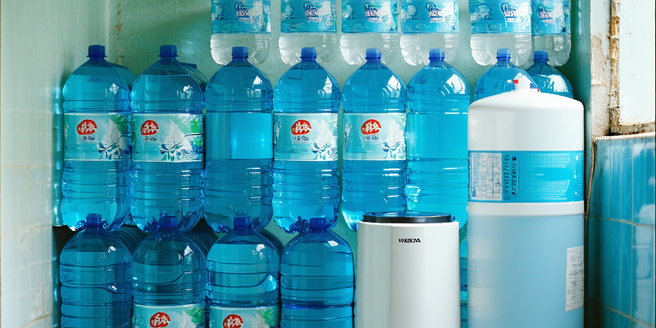
Water is arguably the most crucial component in an emergency kit. Safe water storage solutions prevent contamination and ensure a sufficient supply during crises. Various methods include storing water in sturdy barrels, jugs, or bottles specifically designed for long-term storage. Consider using water purification tablets or filters as backups. Stackable water storage containers are space-efficient and allow for easy access. It’s crucial to regularly sanitizing and rotating the water reserves to maintain safety and palatability. Having a portable water purifier is advantageous for flexibility during emergencies. Aim to store at least one gallon per person per day, covering drinking, cooking, and hygiene needs. Proper planning around water storage safeguards your family’s health and well-being during periods where access to clean, safe water may be compromised.
Non-food Supplies: Tools and Gear for Emergencies
An effective survival kit extends beyond food and water, encompassing vital non-food supplies too. Flashlights, batteries, and lanterns ensure visibility during power outages. A reliable multi-tool is indispensable for numerous tasks such as repairs and first aid. Keep a well-stocked first aid kit easily accessible, alongside necessary medications and personal hygiene products. Durable camping gear, such as sleeping bags and portable stoves, improve comfort and self-sufficiency. Waterproof clothing and sturdy footwear offer protection against the elements. Communication tools, like a crank radio, provide updates on emergency broadcasts, keeping you informed throughout a crisis. Preparing now, by assembling comprehensive non-food supplies, supports your ability to weather unanticipated impacts, emphasizing resilience and readiness in emergency scenarios.
Creating an Efficient Stockpiling Plan for Safety
Maintaining a meticulously organized stockpile maximizes efficiency and readiness. Start by assessing the specific needs of your household, accounting for dietary requirements and preferences. Develop a plan with a timeline for acquiring necessary items without overwhelming your budget. An inventory list provides clarity on what is stocked and what needs replenishing, streamlining rotations and preventing waste. Familiarize yourself with best practices for storing different types of goods, ensuring longevity. Implementing a regular review process guarantees that supplies remain viable and up-to-date. Designate specific storage areas, organized for accessibility and simplicity. Being equipped with an efficient stockpiling plan enhances your preparedness, transforms potential chaos into manageable situations, and safeguards your family’s present and future comfort and stability.