
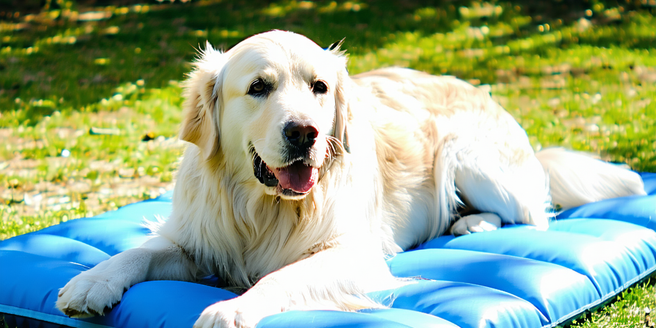
Understanding the Needs of Overheated Pets
Pets can struggle with high temperatures during the warmer months, which can lead to overheating and potential health risks. Dogs, for example, lack the sweat glands humans use to cool down, and instead rely primarily on panting to regulate their body temperature. This can be ineffective in extremely hot environments, which makes them susceptible to heatstroke. Cats, though more adept at regulating their body temperature, can also suffer from excessive heat. Recognizing the signs of overheating, such as excessive panting, drooling, or lethargy, is critical for pet owners. By catering to these needs with cooling solutions, pet owners can provide a more comfortable environment that helps mitigate health risks associated with high temperatures.
How Cooling Pads Work to Regulate Temperature
Cooling pads are an effective tool for managing pet temperature, especially during extreme weather. These pads typically use gel or a water-based substance to draw heat away from the pet’s body. When a pet lies on the pad, the cooling effect is activated without the need for refrigeration or electricity. This process helps the pet’s body dissipate heat more efficiently, reducing the risk of overheating. Some pads utilize pressure-activated gel that recharges itself when not in use, ensuring consistent cooling access. By lowering body temperature, cooling pads can help prevent heat stress and promote comfort, making them essential for pet owners in hot climates or those with breeds prone to overheating.
Key Features to Look for in a Cooling Pad
When selecting a cooling pad for your pet, several features deserve attention. Size is a fundamental consideration; the pad should be large enough for the pet to lay on comfortably. Material quality is another crucial aspect; look for durable, non-toxic materials that are easy to clean. Additionally, the pad should be lightweight for easy maneuverability. Some cooling pads come with washable covers for added convenience. Consider the cooling technology; some pads contain gel that remains cool without refrigeration, enhancing portability. Assess the reusability and longevity of the pad as well. By evaluating these features, pet owners can find a cooling solution that provides effective relief and fits their particular needs.
Top Cooling Pad Options for Different Pets
The market offers a variety of cooling pads to cater to different pet sizes and needs. For large dogs, consider extra-large cooling pads that provide ample space. The K&H Pet Products Cool Bed III is a popular choice, designed with a water-filled interior for effective cooling. For smaller pets like cats or small dogs, the Green Pet Shop’s Cooling Pet Pad offers a gel-based option that activates upon contact. PetFusion’s Cooling Blanket is perfect for pets that prefer laying on softer surfaces. Each of these products is designed to offer comfort and aid in temperature regulation to ensure pets remain cool and relaxed regardless of the outdoor heat.
Safety Tips for Using Cooling Pads with Pets
Though cooling pads are beneficial, safety measures should be observed when utilizing them. Supervise your pet’s use of the cooling pad, especially if your pet is known for chewing items. This ensures they do not ingest any materials that could lead to health issues. Check the pad regularly for signs of wear and tear. On hot days, ensure the pad is placed in a shaded area to prevent it from becoming too hot. Keep the cooling pad clean – regularly wash it according to the manufacturer’s instructions to prevent bacteria or mold growth. By following these safety tips, you can effectively use cooling pads to keep your pet safe and comfortable.
DIY Alternative Solutions to Cooling Pads
For pet owners interested in do-it-yourself solutions, several alternatives to store-bought cooling pads exist. One method involves filling a sock with rice and freezing it overnight, creating a simple, pliable cold pack. Another option is using a damp towel, which can be cooled in the refrigerator before laying it on your pet’s resting area. A shallow, water-filled dish outside on warm days can serve as a refreshing paw soak. Additionally, creating a shaded rest area in your garden can help prevent heat build-up. These DIY solutions can act as practical, cost-effective alternatives to commercially available cooling pads for those looking to provide comfort to their pets in warmer weather.