
Understanding Winter Weather Challenges
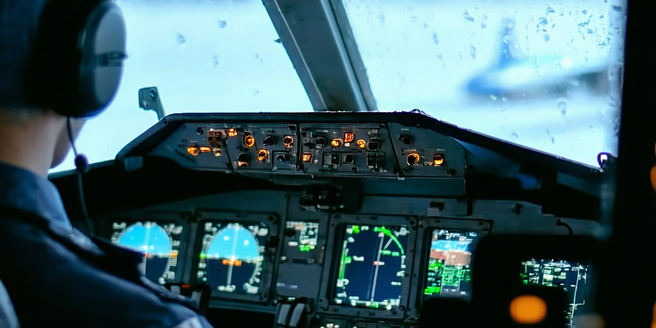
Winter weather introduces numerous challenges for airlines, affecting both flight schedules and ground operations. Snow, ice, and freezing temperatures can disrupt visibility and interfere with aircraft performance. Airports may face closures or delays due to snow accumulation and slippery surfaces. Moreover, the complex logistics of rerouting flights and managing passenger connections add layers of difficulty. Airlines must bolster their operational resilience, investing in weather forecasting services and ensuring ground staff are trained for winter conditions. Understanding these challenges is crucial for developing proactive strategies that minimize disruptions and maintain safety. By adopting comprehensive winter weather preparedness plans, airlines can better handle these periodic disruptions, protect their assets, and ensure passenger safety.
Aircraft De-Icing Procedures
Aircraft de-icing is a critical procedure that involves the removal of ice, frost, or snow from the exterior surfaces of an aircraft. This is essential to maintain the aerodynamic properties and ensure safe takeoffs. De-icing fluids, a mixture of glycol and water, are applied to the aircraft to delay the formation of ice. The timing and efficiency of this process are vital as lingering ice can severely affect flight performance. Airlines develop de-icing protocols and train ground crews in efficient techniques. Advanced machinery and heated hangars further facilitate the de-icing process. By regularly revisiting and updating these procedures, airlines ensure that they are equipped to handle severe winter weather conditions, minimizing delays and ensuring passenger safety.
Runway and Taxiway Maintenance in Cold Climates
Maintaining runways and taxiways in cold climates is a formidable challenge for airports, impacting airline operations directly. Snow plows, blowers, and de-icing chemicals are crucial in keeping these surfaces safe and operational. Regular inspections are necessary to identify ice patches and ensure that surfaces meet safety standards. Coordination between airport management and airline operators is essential for optimizing the timing of maintenance activities. Investing in advanced equipment and technology, like heated pavements or friction measurement tools, can mitigate risks associated with ice and snow. Effective communication and planning are key to keeping runway and taxiway operations seamless, even during harsh winter conditions, ensuring the safety of both aircraft and passengers.
Crew Training for Severe Weather Conditions
Airline crew training is indispensable in preparing for severe winter weather conditions. Pilots and flight attendants need to be well-versed in procedures related to icy runways, low visibility takeoffs, and emergency protocols. Simulated training environments can replicate winter conditions, providing crews the opportunity to practice decision-making skills and improve situational awareness. Ground crew training is equally vital, focusing on efficient aircraft handling and de-icing techniques. Ensuring that all personnel are informed about the latest safety procedures helps mitigate risks associated with winter operations. Comprehensive training programs enhance the ability of airline staff to respond effectively and maintain high safety standards during severe weather events.
Passenger Communication During Delays
Effective passenger communication is paramount during winter weather delays. Transparency about flight status and expected wait times is vital for maintaining trust and reducing frustration. Airlines should utilize multiple channels, including digital notifications, airport screens, and customer service desks, to update passengers promptly. Providing information about rights, compensation, and alternative arrangements can further alleviate tension. Staff training in effective communication strategies helps ensure passengers are informed and reassured. By prioritizing clear and consistent communication, airlines can enhance customer satisfaction and loyalty, even amidst unavoidable delays. This proactive approach mitigates the emotional impact on passengers, making the experience more manageable.
Technology and Tools for Winter Operations
Technology plays a pivotal role in streamlining winter operations for airlines. Advanced weather forecasting systems provide precise data to foresee and mitigate potential disruptions. Aircraft equipped with state-of-the-art navigational tools can better handle low visibility conditions. Meanwhile, ground operation technologies, like de-icing trucks with precise application systems, ensure timely readiness of aircraft. Implementing real-time communication tools among crew members can expedite decision-making and response times. Furthermore, investments in airport infrastructure, such as heated runways or smart surveillance systems, help maintain operational efficiency during winter. By leveraging technology, airlines can enhance safety, reliability, and minimize the impact of harsh winter conditions on operations.