
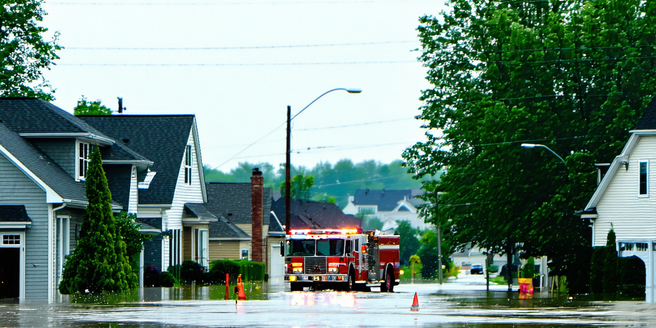
Understanding Flood Risks in Your Area
Understanding the flood risks in your area is critical for effective escape route planning. Begin by researching local flood maps, often available from municipal planning departments, to identify zones at higher risk of flooding. It is also beneficial to familiarize yourself with historical data on floods in your region, which can highlight patterns or recurring issues. Engage with community meetings or forums to gain insights from others’ experiences and learn about regional emergency preparedness initiatives. Knowing the specifics of the terrain, like bridges or low-lying areas, will help assess potential hazards. Finally, leveraging online resources or apps can provide real-time data and alerts, aiding in staying informed about weather patterns and impending risks. An informed understanding shapes a plan that’s more robust against uncertainties.
Essential Components of a Flood Escape Route
Creating an effective flood escape route involves multiple key components. Start by identifying primary and secondary routes, ensuring they’re accessible and safe during different flood scenarios. Routes should lead to higher ground or designated shelters. Highlight clear paths, avoiding areas prone to sudden flooding. An emergency kit should be part of each household’s plan, containing essentials like water, non-perishable food, and first aid supplies. Keep communication tools, such as a battery-powered radio or mobile phone, ready for emergency updates. Ensure transportation methods are reliable, including checking the condition of vehicles or planning for alternative transport. It’s also crucial to have a list of emergency contacts and know the location of local resources. Together, these elements build a robust plan prepared for various situations.
Drafting and Mapping Your Escape Plan
Drafting and mapping your escape plan involves clear, actionable steps to ensure all household members are aligned. Begin by sketching a map that highlights exit routes and safe areas, making copies for each family member. Incorporating input from all household members in the plan will raise awareness and ownership. Designate specific roles or responsibilities for each person during an emergency. Practice the escape plan regularly, simulating flood conditions to refine actions and improve response times. During these drills, utilize feedback to make necessary adjustments to the map or instructions. Digitizing the plan can enhance access, using apps or cloud storage to ensure retrieval even during power outages. Consistently updating the plan according to any changes in family structure or scenarios will maintain its effectiveness.
Communicating the Plan to Your Household
Effective communication of the escape plan to your household is vital to ensure readiness. Schedule a family meeting to discuss the plan’s details, including roles and responsibilities. Encourage questions to clarify doubts and emphasize the importance of each person’s role. Visual aids, such as printed maps or flowcharts, can enhance understanding and retention. It is helpful to establish key signals or codes to indicate when to initiate the plan. Practice regular drills together to build familiarity and confidence in executing the plan. Include children by using age-appropriate language and activities that demonstrate the plan’s importance. Reinforcing the need for preparedness through open dialogue and regular updates will keep the plan front of mind. Communication fosters a sense of shared responsibility and enhances the household’s cohesive response during a flood.
Regularly Reviewing and Updating Your Plan
Regular review and updates to your flood escape plan are essential to accommodate changes and new information. Schedule bi-annual reviews, assessing changes in the family structure, local infrastructure, or flood risk assessments that might affect the plan’s viability. Update contact information and verify the condition of emergency supplies to ensure they are current and functional. Incorporate feedback from practice drills to enhance efficiency and address weak points. Stay informed about advancements in technology or practices in flood preparedness, integrating relevant updates into your plan. Community resources or workshops can offer insights or tools that benefit your planning. Making a habit of reviewing the plan reinforces its importance and ensures everyone remains prepared. An adaptable plan is crucial for effective response to dynamic flood conditions, safeguarding your household’s safety.