
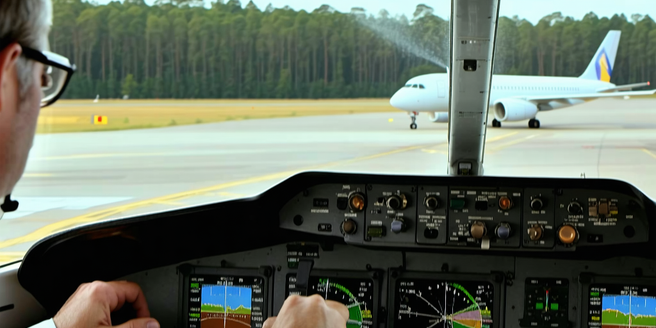
Understanding Crosswinds: Basics and Definitions
Crosswinds refer to winds blowing perpendicular to the runway, a critical factor during takeoff and landing phases. Understanding crosswinds involves recognizing wind patterns and their impact on flight dynamics. Crosswinds create sideways forces on the aircraft, requiring precise pilot inputs to maintain control. The key is understanding wind components: headwind, tailwind, and crosswind itself. Pilots assess these using wind socks, airport wind measurements, and onboard instruments. Being well-versed with terms like wind shear, gusts, and steady winds is crucial. Crosswinds can be unpredictable, often varying in intensity and direction, demanding constant vigilance. By mastering wind dynamics, pilots can enhance safety and performance, ensuring smooth and controlled landings. Hence, a foundational understanding of crosswinds is vital for every aspiring pilot.
Factors Affecting Crosswind Landings
Crosswind landings are influenced by various environmental and operational factors. Firstly, the runway orientation with respect to prevailing winds is critical; some airports are more susceptible to crosswinds due to their runway layout. Another factor is the geography surrounding the airport—mountains, water bodies, and urban landscapes can affect wind patterns. Additionally, weather conditions play a significant role; sudden changes in wind speed and direction can complicate crosswind landings. Aircraft design also impacts performance, with different planes handling crosswinds differently due to their size, weight, and aerodynamics. Pilots must consider their aircraft’s crosswind limitations and adhere to them strictly. Finally, ground materials and friction coefficients influence the effective handling of crosswinds. By understanding these factors, pilots can anticipate challenges and make informed decisions during crosswind landings.
Essential Techniques for Mastering Crosswind Landings
Mastering crosswind landings requires skill and the application of specific techniques. The crabbing technique is often used, where the nose of the aircraft is pointed into the wind to counteract drift. As the aircraft approaches the flare, the pilot aligns with the runway using rudder adjustments. The wing-low method, on the other hand, involves dipping the wing into the wind while using opposite rudder to balance the aircraft, providing stability during landing. Additionally, precise speed management is crucial; maintaining a slightly higher approach speed ensures better control. Pilots must be adept in transitioning from one technique to another based on wind variation. Regular practice of these techniques under varying conditions enhances proficiency. A firm grasp of these methods is vital for any pilot aiming to execute safe and controlled crosswind landings consistently.
Challenges Pilots Face During Crosswind Landings
Crosswind landings can pose significant challenges for pilots, testing their skills and decision-making abilities. One major challenge is maintaining aircraft alignment with the runway amidst varying wind speeds and directions. Gusty winds can cause sudden deviations, making controlled landings difficult. Pilots often face fluctuating visibility and must rely on instruments during low-visibility conditions, adding to the complexity. Additionally, the physical demands on pilots can be taxing, requiring quick reflexes and accurate control inputs. Fatigue can further complicate these demanding scenarios. Adverse crosswind conditions can lead to increased stress and pressure, affecting judgment and performance. Pilots must remain calm, methodical, and trust their training to successfully navigate these challenges, ensuring the safe landing of the aircraft and passengers despite the demanding circumstances posed by crosswinds.
Training and Preparation for Crosswind Conditions
Effective training and preparation are crucial for pilots to handle crosswind conditions confidently. Comprehensive simulator sessions allow aspiring aviators to practice crosswind landings in a controlled environment, experiencing different wind scenarios without real-world risks. These sessions focus on technique refinement, decision-making, and adaptability. Additionally, classroom instruction provides foundational knowledge of aerodynamics and wind dynamics crucial for understanding crosswinds. Mentorship from experienced pilots offers valuable real-world insights, emphasizing practical application of learned techniques. Regular exposure to varying crosswind intensities during flight training ensures that pilots become comfortable handling diverse situations. Furthermore, debriefings after practice sessions help identify areas for improvement. Continuous training ensures pilots not only acquire the necessary skills but also maintain their proficiency, contributing to enhanced safety and confidence when confronted with challenging crosswind conditions.
Technological Aids in Assisting Crosswind Landings
Modern technology provides valuable aids for pilots during crosswind landings. Advanced avionics offer precise wind data, allowing for better situational awareness and timely decision-making. Enhanced GPS systems provide real-time positioning information, crucial for maintaining runway alignment under challenging crosswind conditions. Fly-by-wire technology enables the aircraft to automatically make minor adjustments, assisting in stabilizing against gusts. Furthermore, Heads-Up Displays (HUD) project critical flight data directly within the pilot’s line of sight, minimizing distraction and enhancing focus. Wind shear detection systems alert pilots of sudden wind changes, facilitating quicker response times. Automatic landing systems, while not always used for crosswinds, offer additional support during high-stress situations. These technological advancements, combined with pilot expertise, significantly contribute to the safe management of crosswind landings, reducing the inherent risks associated with unpredictable wind patterns.