
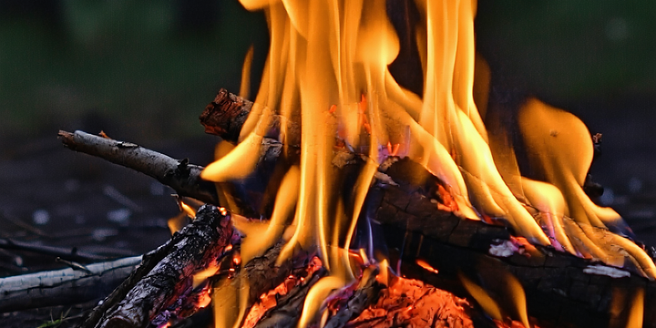
Understanding the Causes of Forest Fires
Forest fires are often triggered by natural causes like lightning strikes, or by human activities such as unattended campfires, discarded cigarettes, or arson. Dry, hot conditions prevalent during certain seasons can exacerbate these incidents, providing the perfect environment for fires to ignite and spread rapidly. Vegetation, such as dry leaves and grasses, act as fuel, making it easier for fires to escalate. Human encroachment into forested areas increases the risk of accidental fires. Proper understanding of these causes is essential for creating effective prevention strategies. By ensuring campfires are properly extinguished, promoting fire bans during high-risk periods, and encouraging responsible behavior in forests, the number of human-induced forest fires can be significantly reduced. Public education on the common causes and threats of forest fires can further aid in their prevention.
The Role of Controlled Burns in Prevention
Controlled burns, also known as prescribed fires, play a critical role in forest management by reducing the amount of combustible material, thus lowering the risk of severe forest fires. These intentionally set fires help maintain the ecological health of the forest, promoting biodiversity and aiding the growth of certain plant species that thrive post-burn. By reducing underbrush and smaller trees, controlled burns can prevent larger, uncontrollable fires. Fire management teams carefully plan these burns, considering factors like weather conditions and the specific ecology of the area. Controlled burns mimic natural fire cycles, ensuring that forests remain resilient to natural fires. Although they may temporarily impact visibility and air quality, the long-term benefits of reducing the severity of potential wildfires make them an essential tool in forest fire prevention strategies.
Community Education and Awareness Techniques
Educating communities about forest fire prevention is pivotal in reducing human-induced fire incidents. Community programs that focus on teaching fire safety, proper disposal of cigarette butts, and the risks associated with unattended campfires can foster a culture of fire awareness. Workshops and seminars can equip residents and visitors with knowledge about how to react during a fire outbreak and when to alert authorities. Informative signage within forested areas can remind people of fire danger levels and necessary precautions. Social media campaigns and local news outlets can further disseminate critical information. Encouraging participation in local fire safety groups also empowers communities to take proactive roles in fire prevention. By fostering an informed public, we can reduce the number of preventable forest fires and protect these valuable ecosystems.
Advancements in Fire Detection Technology
Recent advancements in fire detection technology have significantly improved our ability to monitor and respond to forest fires swiftly. Satellite imagery and aerial drones equipped with thermal cameras provide real-time data, allowing for quick identification of fire hotspots in remote regions. These technologies enable early detection, facilitating rapid response by fire management teams, which is crucial in preventing the spread of forest fires. Infrared sensors and machine learning algorithms are employed to predict fire behavior and potential threat levels, enhancing strategic planning. Additionally, automated weather stations and remote sensors collect valuable data on humidity and temperature, providing insights into conditions favorable for fire outbreaks. As technology continues to evolve, the integration of these advanced systems plays a vital role in reducing the destructive impact of forest fires through early detection and rapid response.
Importance of Forest Management Practices
Effective forest management practices are essential in reducing the risk of forest fires. These practices involve maintaining healthy forest ecosystems by managing tree density, removing dead vegetation, and ensuring biodiversity. Thinning dense areas of trees and clearing underbrush can help prevent uncontrolled wildfires, as these measures reduce available fuel. Implementing buffer zones around high-risk areas, such as residential communities near forests, is another vital strategy. Reforestation efforts following fires also contribute to long-term health and sustainability. Involving local communities in forest management activities raises awareness and fosters stewardship. By balancing ecological needs with fire prevention measures, forest management practices play a key role in mitigating the impacts of potential fires and ensuring forests remain resilient, healthy, and vibrant ecosystems for future generations.
The Impact of Climate Change on Forest Fires
Climate change significantly influences the frequency and intensity of forest fires, altering weather patterns and creating conditions conducive to wildfires. Rising temperatures lead to prolonged dry periods, making forests more susceptible to burning. Changes in precipitation patterns, with longer droughts and drier landscapes, contribute to the accumulation of flammable vegetation, which serves as fuel for fires. As climate change progresses, regions previously unaffected by forest fires may experience heightened risks. This underscores the need for adapting fire management practices to the evolving climate scenario. Enhanced prediction models considering climate variables and increased funding for fire management strategies are crucial in mitigating these risks. Understanding the link between climate change and forest fires enables the development of comprehensive approaches to both reduce climate impacts and enhance forest resilience, safeguarding these vital ecosystems.